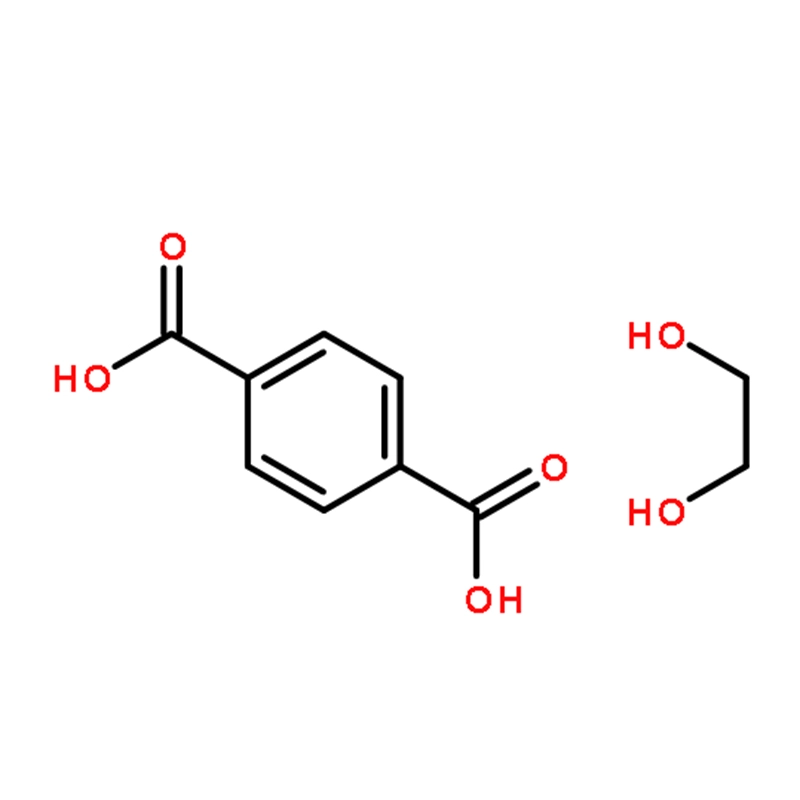
Polyethylene terephthalate resin, or PET, is used as the outer film for LCD tablets. PET polyester film is widely used in a wide range of fields due to its dimensional stability and high transparency. PET (polyethylene terephthalate) maintains excellent physical and mechanical properties over a wide temperature range, exhibits excellent fatigue and abrasion resistance, and exhibits excellent aging resistance. It also possesses outstanding electrical insulation properties and is stable to most organic solvents and inorganic acids. Furthermore, it boasts low energy consumption and excellent processability. Consequently, it has been widely used in plastic packaging bottles, films, and synthetic fibers.
| English name | Polyethylene Terephthalate |
| English synonyms | 3DXNANO ESD CNT-PETG carbon nanotube reinforced polyethylene terephthalate glycol copolymer 3D pri nting filament;arnitea;arnitea-049000;arnitea200;arnitefp800;arniteg;arniteg600;Cassappret sr |
| CAS number | 25038-59-9 |
| Molecular formula | (C10H804)n |
| Molecular weight | 228.19868 |
| Melting point | 250-255°C |
| Boiling point | >170°C (Press: 10 Torr) |
| Density | 1.68 g/mL at 25°C |
| Refractive index | 1.575 |
| Storage conditions | Room Temperature |
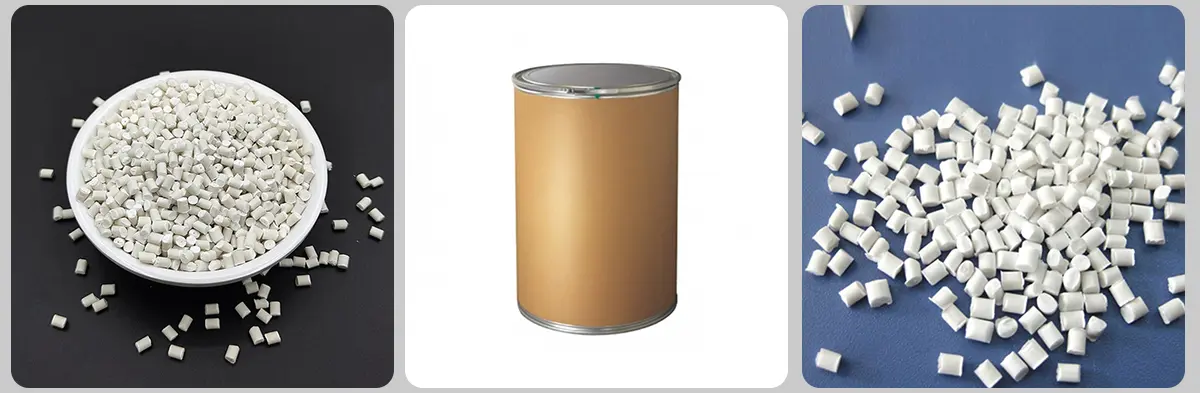
| Appearance | Granular |
| Color | Black |
| Odor | Odorless |
Polyethylene terephthalate resin (polyester chips) is mainly used for bottle-grade polyester (widely used in the packaging of various beverages, especially carbonated beverages), polyester film (mainly used in packaging materials, films and tapes, etc.) and polyester for chemical fibers.