
Products Description of Carnauba Wax CAS#8015-86-9
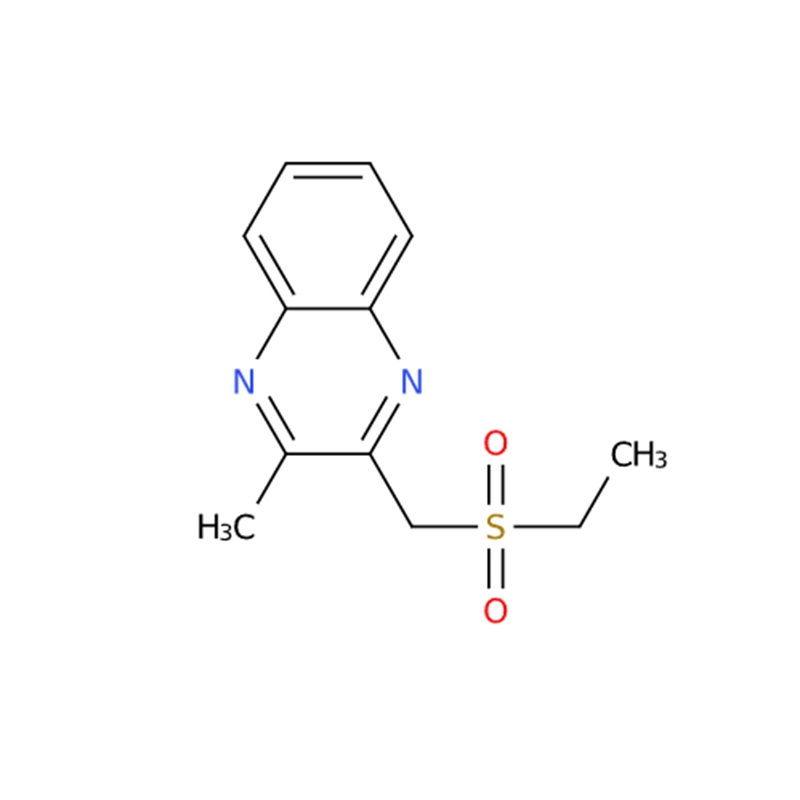
Carnauba wax is isolated and purified from the foliage and buds of Brazilian palm specimens. Classified as a rigid, friable wax substance, it shows no solubility in water, and is characterised by an elevated melting point and lustrous surface finish. Its chemical constituents centre on palmitic wax esters, fatty acid esters, wax acids and hydrocarbon compounds. Hexadecanoic acid esters form its predominant fraction, accompanied by minor quantities of diesters and hydroxy fatty acids.
Carnauba wax Chemical Properties
| Melting point | 81-86 °C |
| density | 0.990-0.999 |
| refractive index | 1.45 |
| storage temp. | -20°C Freezer |
| solubility | Practically insoluble in water, soluble on heating in ethyl acetate and in xylene, practically insoluble in alcohol. |
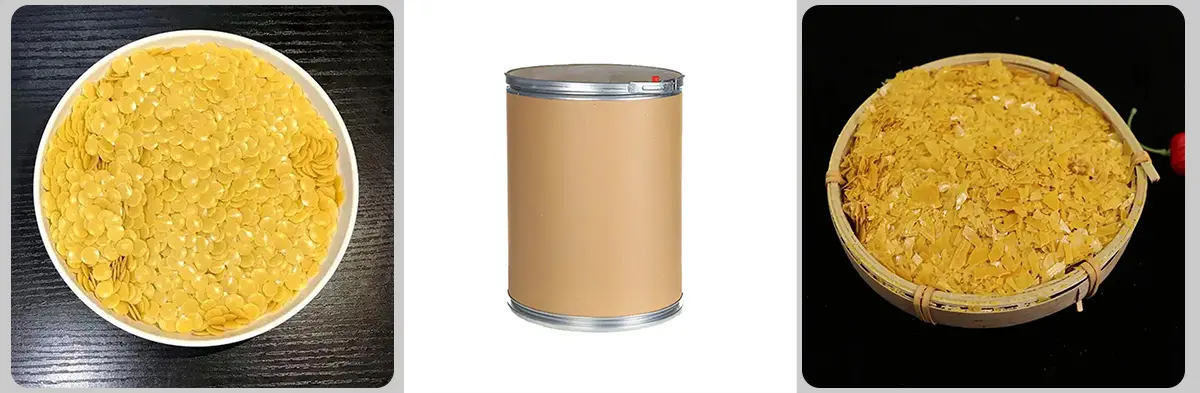
| form | Powder or Flakes |
| color | Yellow |
| Specific Gravity | 0.990-0.999 |
| Odor | odorless |
| Water Solubility | Soluble in diethyl ether, alkali, chloroform. Slightly soluble in boiling ethanol. Insoluble in water. |
| Merck | 141846 |
| Dielectric constant | 2.9(Ambient) |
| Stability: | Stable. Incompatible with strong oxidizing agents. |
| CAS DataBase Reference | 8015-86-9 |
| EPA Substance Registry System | Carnauba wax (8015-86-9) |
| Safety Statements | 24/25 |
| WGK Germany | 3 |
| TSCA | Yes |
| HS Code | 15211000 |

Product Application of Carnauba Wax CAS#8015-86-9
Carnauba wax serves broadly as a coating, burnishing and surface-finishing agent across food, construction material, consumer goods, industrial and agricultural sectors, alongside many other areas. Its typical use cases are listed below:
Food Applications: Carnauba wax acts as a polishing and glazing additive for chewing gum, soft and hard jelly sweets, chocolates and assorted confectionery. It also finds use on preserved fruits and functions as a food-grade coating medium.
Building Materials: Incorporated into floor wax blends, it delivers superior polishing and brightening performance. When added to rubber goods, it boosts hardness and mitigates sunlight-induced cracking, making it highly suitable for floor covering materials. For asphalt and floor joint compounds, it upgrades water resistance and adhesive strength; within roofing formulations, it improves waterproof performance and long-term service life.
Daily-Use Products: Carnauba wax is a key ingredient in shoe polishes and remains a premium burnishing component for both waterborne and oil-based systems. It is applied to leather articles for polishing and conditioning, lending a lustrous finish to leather apparel and handbags. It can also act as the base stock for leather polish and maintenance formulas. Besides these, it is utilised in carbon paper and printing ink manufacturing.
Industrial Applications: This wax may be applied onto exposed aircraft parts to deliver enduring protection, lower surface friction and potentially lift aerodynamic efficiency. Within the chemical sector, it is integrated into diverse custom formulations. It is blended into synthetic waxes to manufacture tough, weather-resistant coatings for passenger cars, lorries, coaches and rail vehicles. In foundry operations, it is adopted for casting wax mixes and galvanizing workflows.
Agricultural Applications: Relevant research exploring how carnauba wax influences the propagation of brown rot and soft rot pathogens and their infection of nectarine and plum fruits demonstrates that it can suppress these two rotting diseases to a limited degree.
Other Applications: Carnauba wax is also extensively adopted for manufacturing soaps, lipsticks, ointments, candles, matches, coatings, paints, varnishes, plasters, artificial decorative fruits, phonograph records and numerous other end articles.