
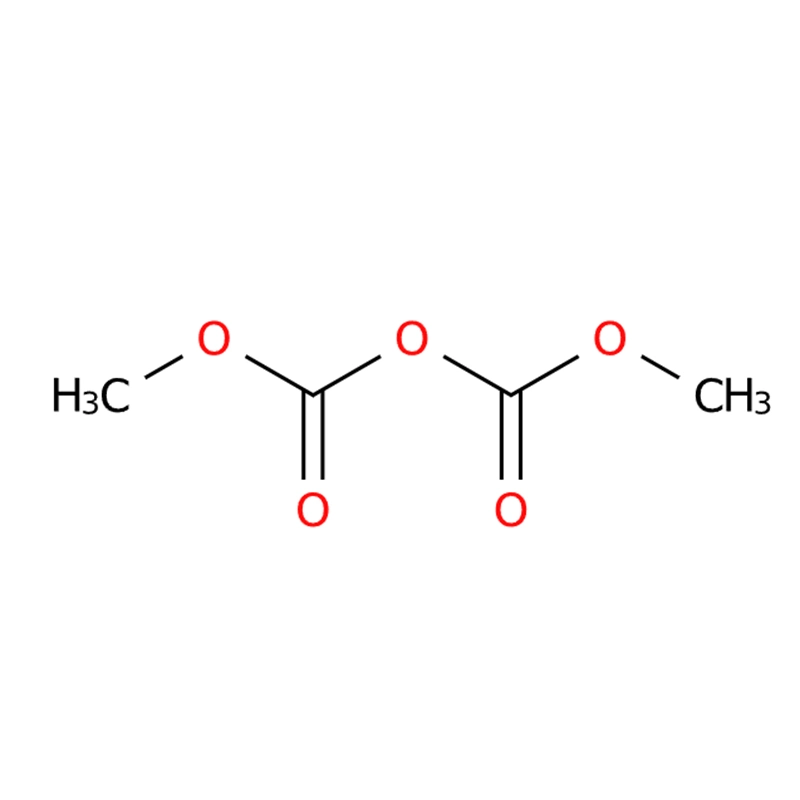
Dimethyl dicarbonate, abbreviated as DMDC and alternatively called Vigorin, is a permitted preservative for fruit juice drinks, complying with national food additive specifications and assigned INS number 242.
Whether kept at ambient temperature or chilled environments, DMDC can inhibit many kinds of spoilage bacteria frequently detected in fruit juice beverages. Its preservation mechanism relies on modifying critical enzymatic proteins inside microbial cells to deactivate them, which stops drinks from deteriorating.
Different from traditional physical sterilization methods, DMDC cuts down processing expenses, requires uncomplicated handling and carries a good safety record. Meanwhile, it keeps the beverage’s native flavor, scent and colour intact. For these merits, it is regarded as a promising candidate in the research and innovation of modern non‑thermal sterilization techniques.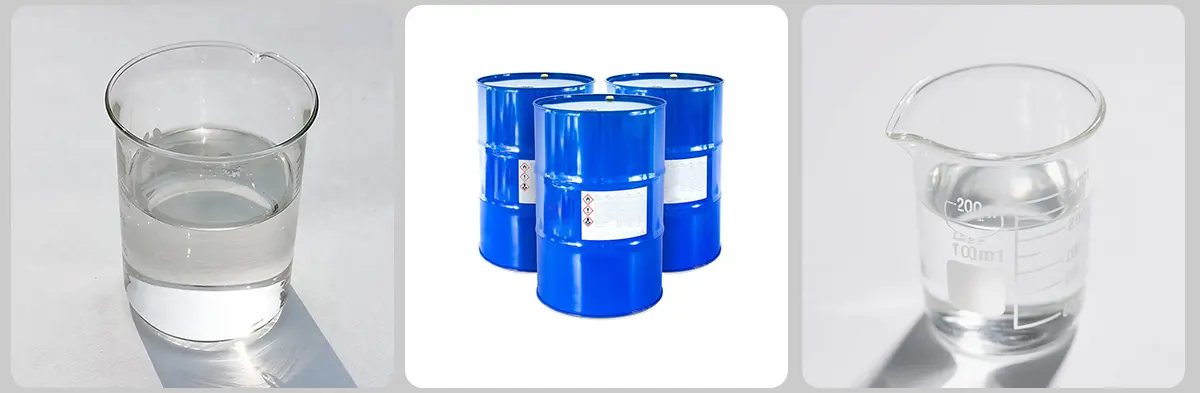
Dimethyl dicarbonate Chemical Properties
| Melting point | 15-17°C |
| Boiling point | 45-46 °C5 mm Hg(lit.) |
| Density | 1.25 g/mL at 25 °C(lit.) |
| Vapor pressure | 0.7 hPa (20 °C) |
| Refractive index | n20/D 1.392(lit.) |
| Fp | 80 °C |
| Storage temp. | Store below +30°C. |
| Solubility | 35g/l (decomposition) |
| Form | Oil |
| Color | Colourless |
| Explosive limit | 3-29.9%(V) |
| BRN | 956715 |
| Stability | Moisture Sensitive |
| LogP | 0.082 (est) |
| EPA Substance Registry System | Dicarbonic acid, dimethyl ester (4525-33-1) |
Safety Information
| Hazard Codes | T |
| Risk Statements | 21/22-23-34 |
| Safety Statements | 18-26-28-36/37/39-38-45 |
| RIDADR | UN 2927 6.1/PG 2 |
| WGK Germany | 3 |
| RTECS | HT0362500 |
| F | 46286 |
| Autoignition Temperature | 465 °C |
| HS Code | 2920 90 10 |
| HazardClass | 6.1(a) |
| PackingGroup | II |
| Hazardous Substances Data | 4525-33-1(Hazardous Substances Data) |
| Toxicity | LD50 orally in Rabbit: 335 mg/kg LD50 dermal Rat > 1250 mg/kg |
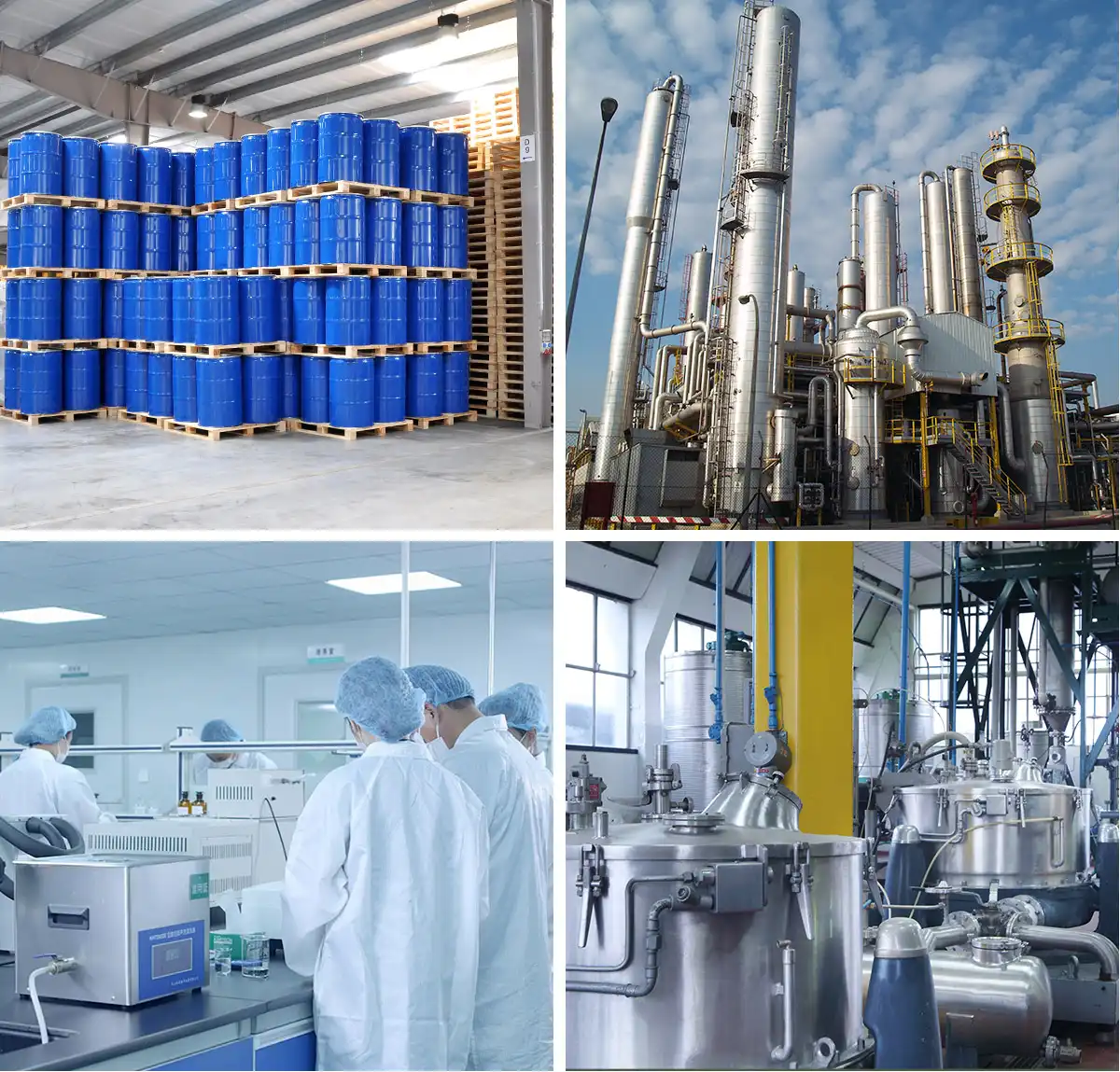
Product Application of Dimethyl Dicarbonate CAS#4525-33-1 Dimethyl dicarbonate (DMDC) suits diverse beverage scenarios. Typical applicable products cover carbonated beverages, sparkling and still fruit juices, tea drinks, isotonic beverages, plus various other liquid drink preparations.
This additive gains regulatory clearance for beverage production throughout the EU, the US and multiple additional regions, which proves its widespread recognition within the global food and beverage sector.
Leading international regulatory bodies have verified DMDC’s safety profile. The Joint FAO/WHO Expert Committee on Food Additives (JECFA), the European Scientific Committee on Food and the U.S. Food and Drug Administration (FDA) have all released formal approvals, confirming that DMDC can be safely adopted within its permitted usage scope.