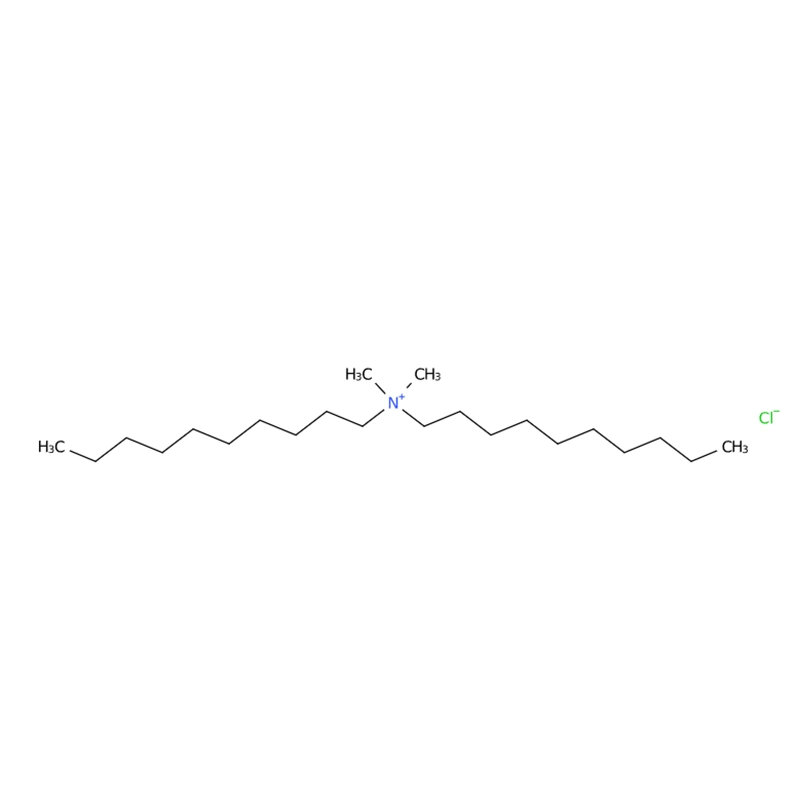
Didecyl dimethyl ammonium chloride is a double-chain quaternary ammonium salt compound, valued for its bactericidal, virucidal, and fungicidal properties, making it suitable for various applications. Classified as a medium-level disinfectant, it is a broad-spectrum antiviral agent. This quaternary ammonium salt disinfectant offers several benefits, including wide applicability, a mild odor, safety, non-toxicity, and non-irritation, making it safe for use by women and infants. It is water-soluble, leaves no residue, and is stable during storage, making it one of the safest and most globally accepted disinfectants. Additionally, as a quaternary ammonium salt, it can react with certain anions (such as hydroxyl ions) to form corresponding quaternary ammonium salts.
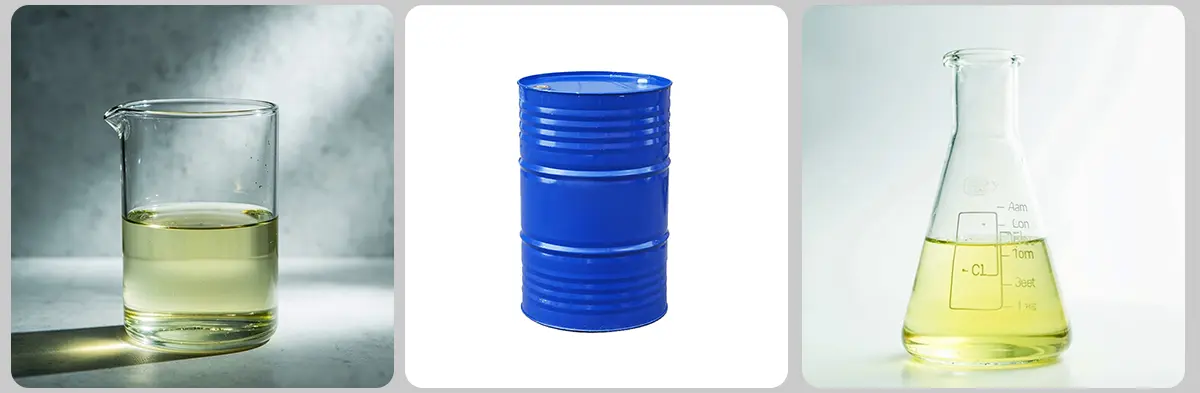
Didecyl dimethyl ammonium chloride Chemical Properties
| Melting point | 88 °C |
| Dvapor pressure | 0.006Pa at 25℃ |
| Storage temp | Store below +30°C. |
| Solubility | 248g/L in organic solvents at 20 ℃ |
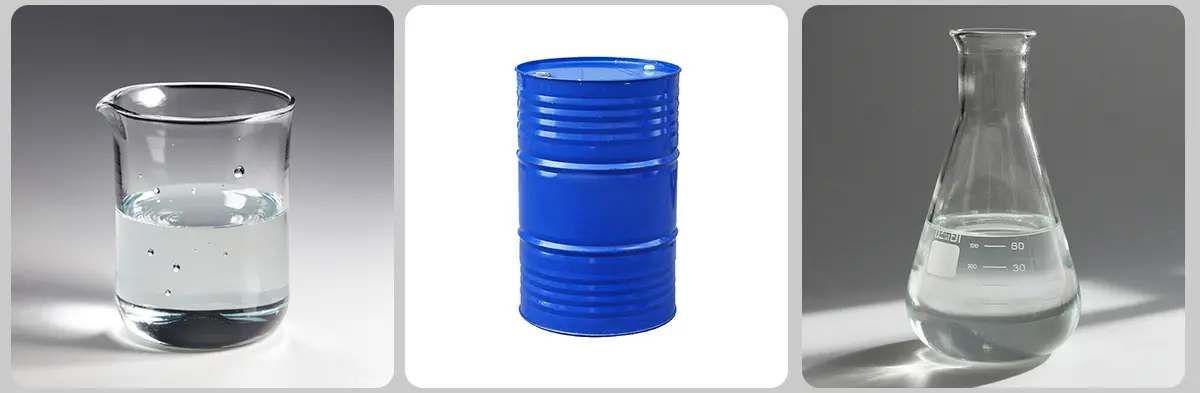
| Form | Gel |
| Color | Light Beige to Brown |
| Water Solubility | 650mg/L at 25℃ |
| Stability | Hygroscopic |
| LogP | 2.8 at 20℃ |
| CAS DataBase Reference | 7173-51-5(CAS DataBase Reference) |
| EPA Substance Registry System | Didecyl dimethyl ammonium chloride (7173-51-5) |
Safety Information
| Hazard Codes | C |
| Risk Statements | 22-34 |
| Safety Statements | 26-36/37/39-45 |
| RIDADR | 2811 |
| HazardClass | 6.1(b) |
| PackingGroup | III |
| Hazardous Substances Data | 7173-51-5(Hazardous Substances Data) |
| Toxicity | LD50 oral in rat: 84mg/kg |

Product Application of Didecyl Dimethyl Ammonium Chloride (CAS# 7173-51-5)
Didecyl dimethyl ammonium chloride exhibits strong bactericidal properties against Staphylococcus aureus, Escherichia coli, Pseudomonas aeruginosa, Legionella pneumophila, Stachybotrys, and both enveloped and non-enveloped viruses. Compared to single-chain quaternary ammonium salts, it offers significant improvements in bactericidal effectiveness and various influencing factors. It is highly effective in eliminating bacterial propagules, fungi, and lipophilic viruses. With excellent water solubility and surface tension-reducing ability, it is ideal for use in preventive disinfection, particularly in the control and prevention of emerging respiratory infectious diseases.