Product Description of Liquid Caustic Soda
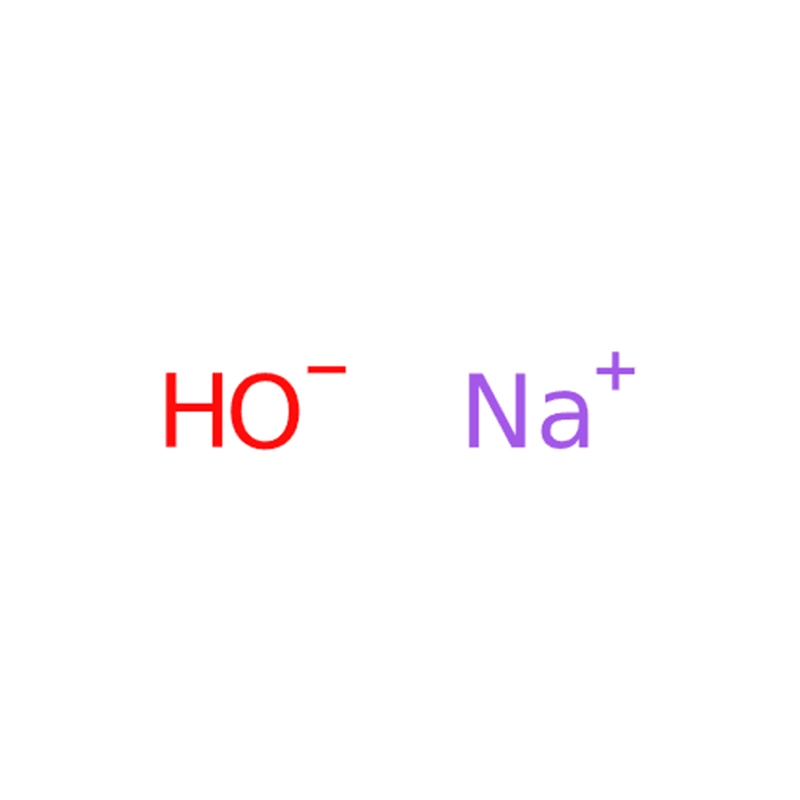
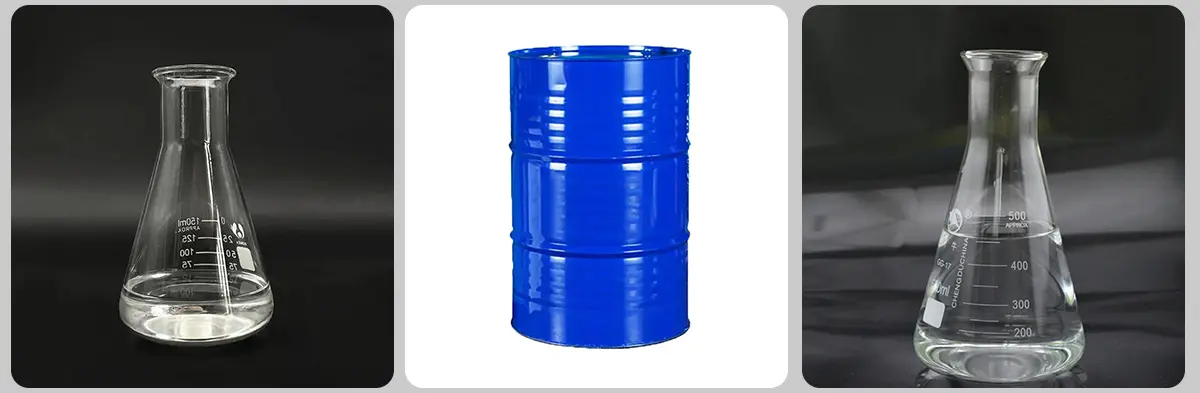
Product Description of Liquid Caustic Soda Liquid caustic soda refers to the aqueous solution of sodium hydroxide, which carries the chemical formula NaOH. Its pure form is a colourless, transparent liquid, featuring a relative density between 1.328–1.349, a melting point of 318.4°C and a boiling point of 1390°C.
Technical-grade liquid caustic soda often holds impurities like sodium chloride and sodium carbonate. It is commercially supplied at standard concentrations of 30–32%, 40–42% and 50%. Classified as a Category I inorganic alkaline corrosive material, the industrial product is dominated by sodium hydroxide, with incidental sodium chloride, sodium carbonate and trace iron oxide as secondary components.
Sodium hydroxide Chemical Properties
| Melting point | 681 °C(lit.) |
| Boiling point | 1390°C |
| density | 1.515 g/mL at 20 °C |
| vapor density | <1 (vs air) |
| vapor pressure | 1 mm Hg ( 745 °C) |
| refractive index | 1,473-1,475 |
| Fp | 176-178°C |
| storage temp. | room temp |
| solubility | H2O: 1 M at 20 °C, clear, colorless |
| form | beads |
| color | White |
| Specific Gravity | 2.13 |
| Odor | Odorless |
| PH Range | 13 - 14 |
| PH | 10.98(1 mM solution);11.95(10 mM solution);12.88(100 mM solution); |
| Water Solubility | SOLUBLE |
| Sensitive | Air Sensitive & Hygroscopic |
| Decomposition | 176-178 ºC |
| λmax | λ: 260 nm Amax: 0.015 |
| λ: 280 nm Amax: 0.01 | |
| Merck | 148627 |
| Dielectric constant | 57.5(25℃) |
| Exposure limits | TLV-TWA air 2 mg/m3 (OSHA); ceiling 2 mg/m3 (ACGIH) and 2 mg/m3/15 min (NIOSH). |
| Stability: | hygroscopic |
| CAS DataBase Reference | 1310-73-2(CAS DataBase Reference) |
| NIST Chemistry Reference | Sodium hydroxide(1310-73-2) |
| EPA Substance Registry System | Sodium hydroxide (1310-73-2) |
| Hazard Codes | C,Xi |
| Risk Statements | 36/38-35-34 |
| Safety Statements | 26-45-37/39-24/25-36/37/39 |
| RIDADR | UN 1824 8/PG 2 |
| WGK Germany | 1 |
| RTECS | TT2975000 |
| F | 8 |
| TSCA | Yes |
| HS Code | 2815 11 00 |
| HazardClass | 8 |
| PackingGroup | II |
| Hazardous Substances Data | 1310-73-2(Hazardous Substances Data) |
| Toxicity | LD orally in rabbits: 500 mg/kg (10% soln) (Fazekas) |
| IDLA | 10 mg/m3 |
Product Application of Liquid Alkali
Product Application of Liquid Alkali Liquid alkali counts as an essential bulk chemical feedstock and finds extensive use across diverse industrial sectors. Within the chemical manufacturing field, it participates in the synthesis of formic acid, oxalic acid, borax, phenol, sodium cyanide, soap, synthetic fatty acids and synthetic surfactants.
For textile printing and dyeing processes, liquid alkali functions as a desizing aid, scouring agent and mercerizing agent. It also acts as a dissolving medium for vat dyes and azuron blue dyestuffs. In metallurgical operations, it supports the manufacture of aluminum hydroxide and alumina, and is adopted for metal surface treatment formulations.
The instrument sector employs liquid alkali for acid neutralization, decolorization and deodorization. In adhesive production, it works as a starch gelatinizer and neutralizing additive. Besides these uses, liquid alkali has broad applications covering enamel processing, pharmaceuticals, personal care products, leather tanning, coatings, agrochemicals and glass manufacturing.