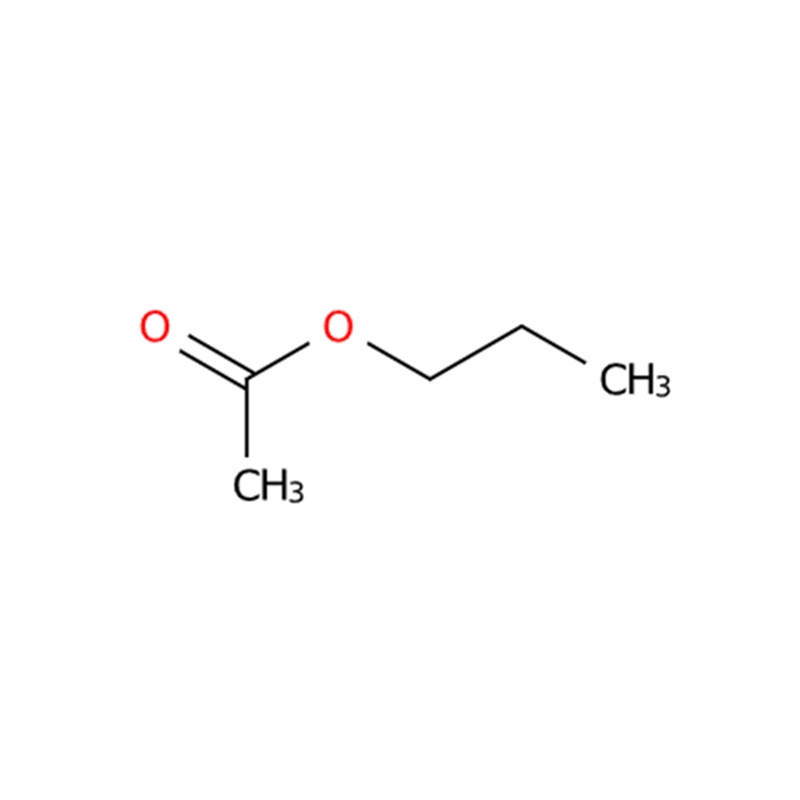
Chemical Properties of Propyl Acetate CAS#109-60-4
Propyl acetate, or n-propyl acetate, is a colourless clear liquid with a subtle fruity scent. It can be found naturally in strawberries, bananas and tomatoes. This substance dissolves in the majority of organic solvents such as alcohols, ketones, esters and oils, yet exhibits limited solubility in water.
Quality Assurance
We adopt strict quality control protocols to guarantee that our glacial acetic acid maintains high purity specifications consistently, catering to stringent industrial usage scenarios.
Professional Sales Support
We recognize that stable, premium industrial acetic acid is indispensable for smooth production operations. Apart from the product’s steady performance, our seasoned team ensures consistent stock supply, prompt feedback and expert technical assistance to satisfy your production requirements.
Why Choose Us
Our industrial acetic acid features superior purity, uniform quality and adaptable functionality for numerous industrial processes. Dedicated to product quality and client satisfaction, we aim to become your dependable partner for industrial chemical supplies.
Contact Us
Reach out to our sales team if you need further product details or a formal quote. We are ready to supply premium glacial acetic acid and trustworthy services to back your business development.
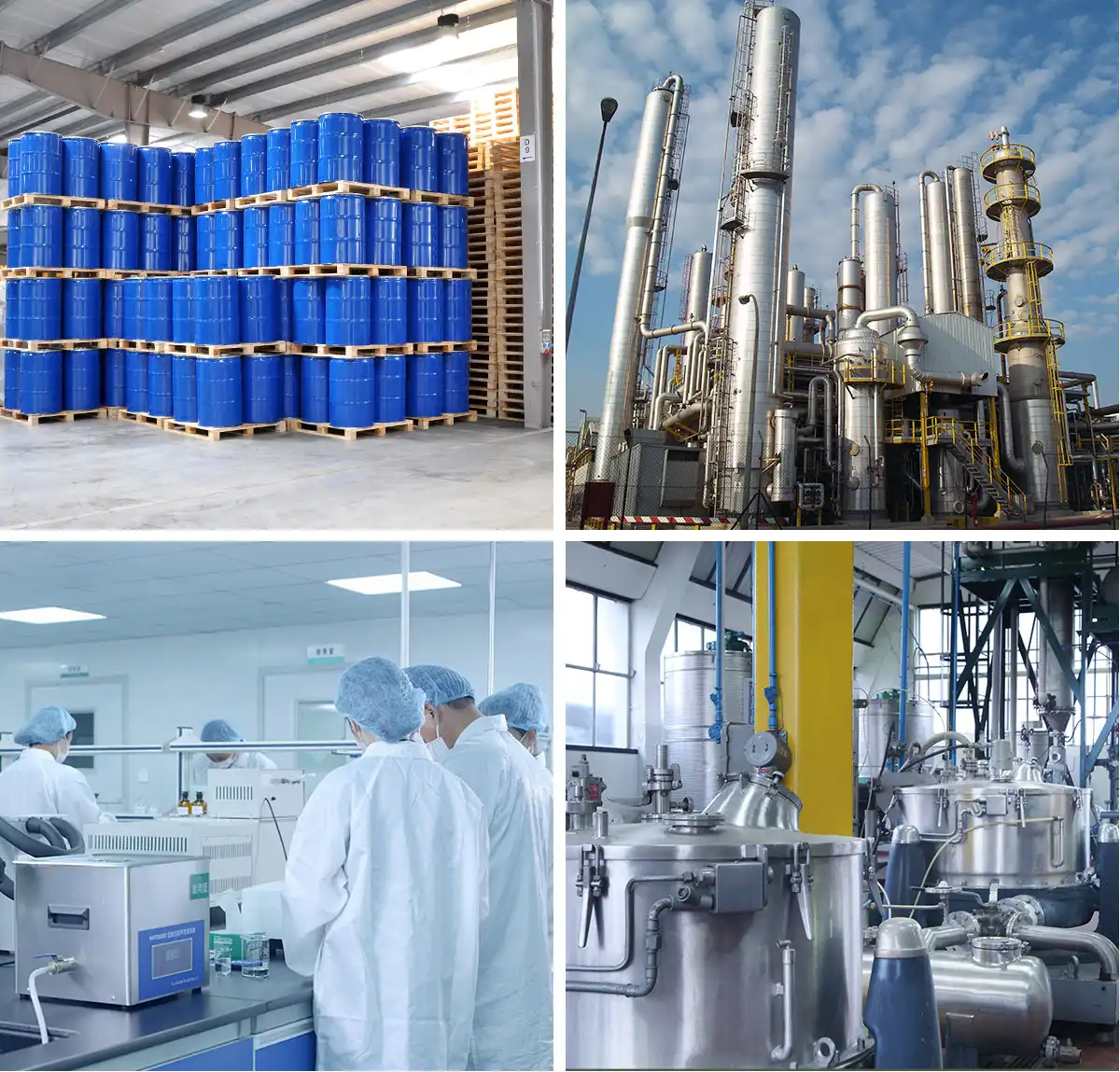
Product Application of Propyl Acetate CAS#109-60-4
Propyl acetate is a high-performance solvent with broad applications in coatings, printing inks, nitrocellulose lacquers, varnishes and diverse resin systems. It also sees heavy utilization across the flavor and fragrance industry.
Boasting moderate strength and rapid evaporation, this solvent is a regular ingredient in flexographic and rotogravure printing inks, notably for printing on olefin and polyamide film substrates. It can likewise dissolve nitrocellulose, chlorinated rubber and thermoset phenolic resins.
Propyl acetate carries a soft fruity note, which turns into a distinct pear fragrance once diluted. It is naturally present in bananas, tomatoes, raspberries and other fruits. Under China’s GB2760-86 regulation, it is authorized as a food flavor substance, mostly blended to create pear, gooseberry and other fruit flavor profiles.
It shows strong dissolving power for many synthetic resins such as ethyl cellulose, nitrocellulose, polystyrene and methacrylate polymers. Apart from being a solvent for organic synthesis, coatings and printing inks, it can function as an efficient industrial dehydrant.