
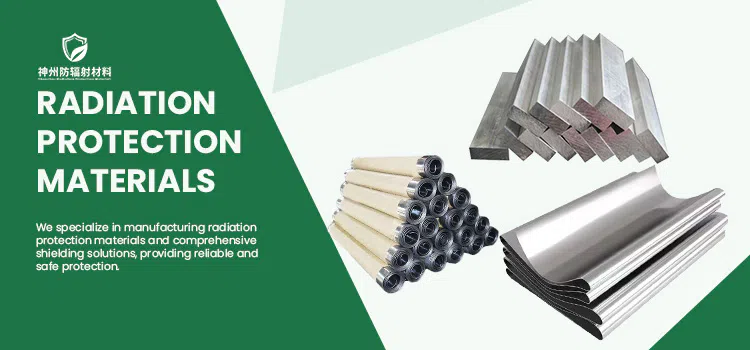

In fields such as medical care, scientific research, and industrial inspection, lead glass serves as a critical protective material, playing an essential role in blocking radiation and ensuring personnel safety. However, most ordinary consumers only have a vague understanding of lead glass as “radiation-proof glass” and know little about the production principles and technical challenges behind this special material.
This article will take you into the world of lead glass source manufacturers, exploring the entire process from raw material selection and manufacturing procedures to quality control, and unveiling the technological secrets behind this advanced material.
The Core Raw Materials of Lead Glass: The “Golden Ratio” Between Lead and Glass
The radiation-shielding performance of lead glass comes from its unique composition—the addition of lead oxide (PbO) into conventional glass. The lead content directly determines the glass density and its ability to block radiation.
If the lead content is too low, the glass cannot effectively shield X-rays or gamma rays. If the lead content is too high, the glass may become brittle and its light transmittance may decrease.
Source manufacturers must determine the precise ratio of lead oxide, silicon dioxide, sodium oxide, and other raw materials through extensive testing. For example, medical-grade lead glass typically requires a lead equivalence ranging from 2 mmPb to 5 mmPb (the ability of a material of a certain thickness to block radiation). Achieving stable performance at these levels requires repeated melting experiments and strict process control.
Melting Process: “Molecular Reconstruction” Under Extreme Temperatures
The production of lead glass is essentially a high-temperature chemical process. After the raw materials are mixed, they are melted in a furnace at temperatures above 1,500°C. During this stage, lead and other oxides undergo complex chemical reactions, forming a uniform molten glass mixture.
Temperature control during melting is crucial. If the temperature is too low, the raw materials may not fully react, resulting in bubbles or impurities. If the temperature is too high, lead may evaporate, causing environmental concerns and reducing the radiation-shielding performance of the glass.
Leading manufacturers typically use electric furnaces or natural gas furnaces equipped with automated temperature control systems, maintaining temperature fluctuations within ±5°C to ensure consistency and stability in every batch of glass.
Forming and Annealing: From Liquid Glass to a “Precision-Engineered” Solid Material
After melting, the glass liquid is shaped into flat sheets, tubes, or customized components through molding processes. This stage requires a careful balance between speed and precision.
If the casting speed is too fast, internal stress distribution may become uneven, increasing the risk of cracking during annealing. If the process is too slow, the glass temperature may drop too quickly, making proper forming difficult.
The formed glass then enters an annealing furnace, where it is slowly cooled at a rate of approximately 10–20°C per hour to eliminate internal stress.
For example, a medical lead glass panel measuring 2 meters by 1 meter may require an annealing period of up to 72 hours. This step directly determines the glass’s flatness, durability, and impact resistance.
Quality Inspection: Using “Radiation” to Verify Radiation Protection Performance
The final performance of lead glass must be verified through professional testing equipment.
Source manufacturers usually employ X-ray fluorescence spectrometers (XRF) to measure lead content, radiation dosimeters to evaluate lead equivalence, and simulated application tests to assess impact resistance.
A qualified piece of lead glass must meet multiple standards, including:
· Light transmittance ≥85%
· Lead equivalence deviation ≤5%
· No visible scratches, bubbles, or surface defects
Some manufacturers also send samples to third-party testing organizations for certification, ensuring that their products meet the requirements of medical facilities, nuclear industries, and other specialized applications.
Conclusion: The Technology Behind Every Piece of Lead Glass
From precise raw material formulation to final product delivery, lead glass manufacturing represents a sophisticated integration of chemistry, physics, and engineering.
The technological strength of a source manufacturer is reflected not only in advanced equipment but also in the strict control of every production stage.
For organizations or individuals purchasing lead glass, understanding these manufacturing details can help them select more reliable products. After all, in radiation protection applications, even the smallest mistake can create potential safety risks.
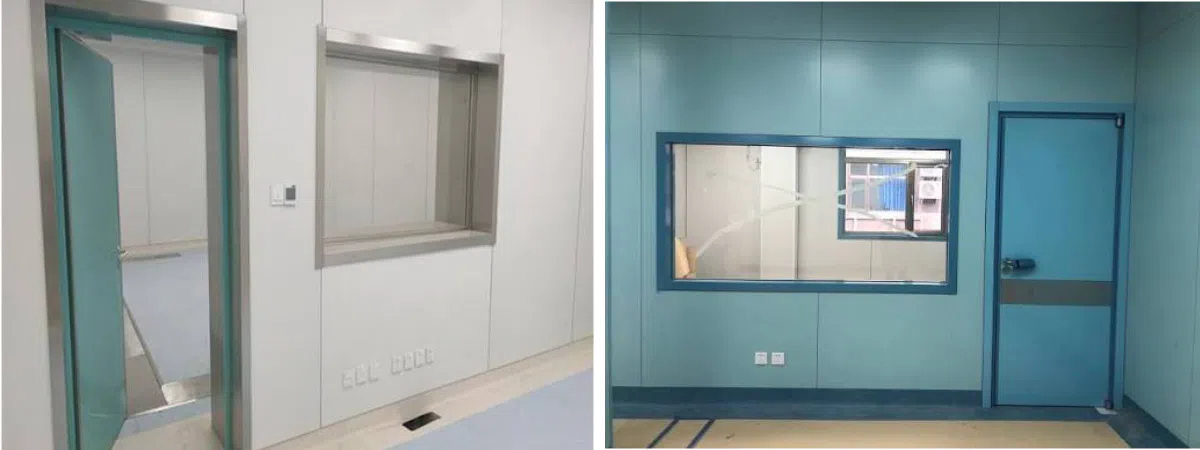
The next time you see a lead glass window in a hospital CT room or a nuclear power facility, remember: behind it lies the result of countless experiments, melting processes, and quality inspections—a true achievement of modern material science.


