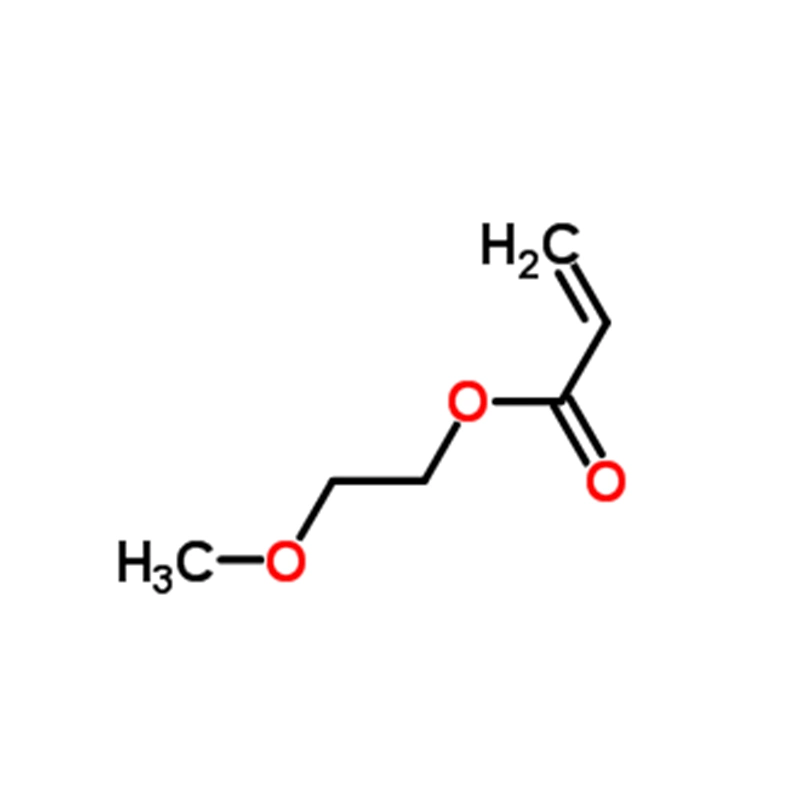
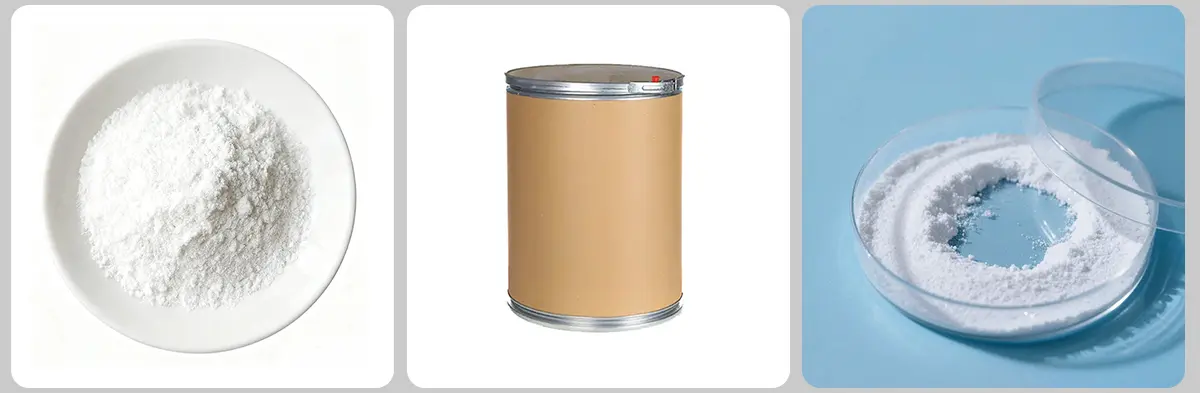
Poly(ethylene glycol) monomethyl ether acrylate appears as a white to faint ivory solid under ambient temperature and standard atmospheric pressure. It is a functional ethylene glycol polymer, recording a melting point of 6–7°C (literature value) and a density of 1.09 g/mL measured at 25°C (literature value). Characterised by tunable molecular weight and favourable water affinity, this macromonomer finds broad application in cement water-reducing admixtures, biomedical material modification and various research activities.
POLY(ETHYLENE GLYCOL) METHYL ETHER ACRYLATE Chemical Properties
| Melting point | 6-7 °C(lit.) |
| density | 1.09 g/mL at 25 °C(lit.) |
| Fp | >230 °F |
| storage temp. | -20°C |
| form | Granular Solid |
| color | White to off-white |
| Water Solubility | Soluble in water |
| EPA Substance Registry System | Poly(oxy-1,2-ethanediyl), .alpha.-(1-oxo-2-propenyl)-.omega.-methoxy- (32171-39-4) |
| Hazard Codes | T |
| Risk Statements | 45-46 |
| Safety Statements | 53-36/37/39-24/25-22-45 |
| WGK Germany | 3 |
| TSCA | Yes |
| HS Code | 39072090 |

Poly(ethylene glycol) monomethyl ether acrylate (mPEG‑acrylate) carries hydrophobic traits alongside strong dissolving capacity. These attributes render it fit for fabricating core‑shell microcapsules built for sustained or controlled drug liberation. It supports the development of highly biocompatible constructs and holds substantial value within drug delivery, gene therapy and tissue engineering fields.
Moreover, mPEG‑acrylate enables surface modification of substrates via copolymerisation, crosslinking and other approaches. Such treatment adjusts the substrates’ physicochemical traits and biocompatibility profiles. It may also undergo copolymerisation with alternative monomers to generate functional polymers endowed with targeted features such as antimicrobial performance, degradability and photosensitivity, catering to material science and biomedical engineering pursuits.