Products Description of Polyurethane CAS#9009-54-5
Polyurethanes are synthesized from a broad range of isocyanate monomers such as tolylene diisocyanate (TDI), hexamethylene diisocyanate (HDI) and dicyclohexylmethane diisocyanate (HMDI). The majority of these isocyanates take the form of low‑viscosity liquids under ambient temperature, whereas 4,4′‑diphenylmethane diisocyanate (MDI) appears as crystalline solids.
Aromatic isocyanates possess greater reactivity than their aliphatic counterparts and are broadly applied for manufacturing polyurethane foams, coatings and elastomers. Moreover, the cyclic backbones of aromatic and alicyclic isocyanates increase the molecular rigidity of polyurethane matrices, which translates into superior mechanical performance of the final materials.
Polyurethane Chemical Properties
English Name | Polyurethane |
English Synonyms | Polyisocyanurate resins;Polyurethanes, cellular;PU foam;The following companies react isocyanates or prep olymers with polyols to produce polyurethane foams. The list is incomplete.;POLYURETHANEOLIGOMERS;P OLYURETHANEVARNISH;POLYURETHANELACQUER;Polyurethane foam: (Urethane polymers) |
CAS Number | 9009-54-5 |
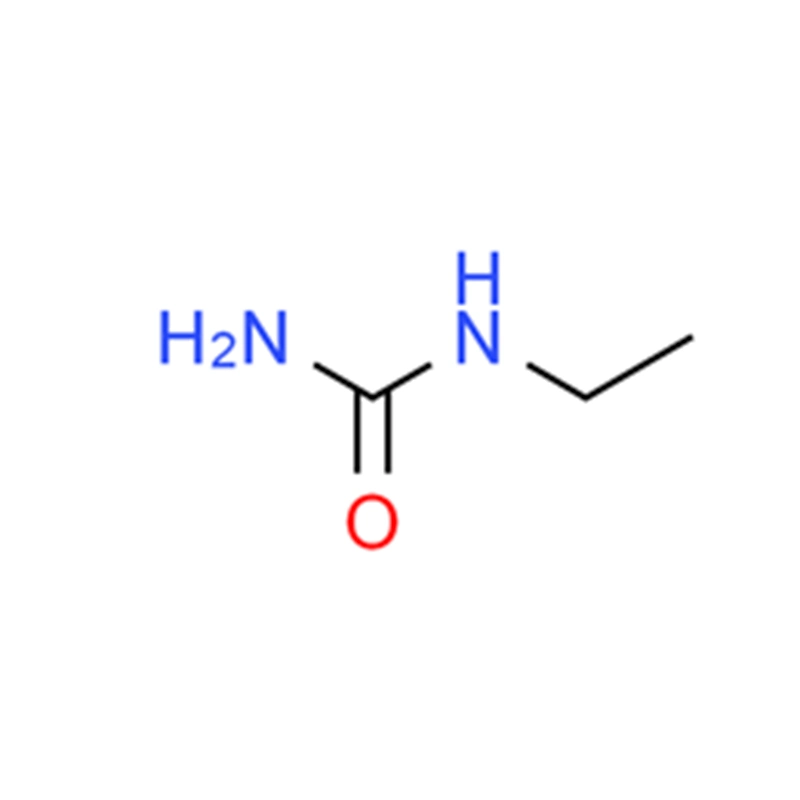
Molecular Formula | C3H8N2O |
Molecular Weight | 0 |
EINECS Number | 210-898-8 |
bulk density | 0.08g/cm3 |
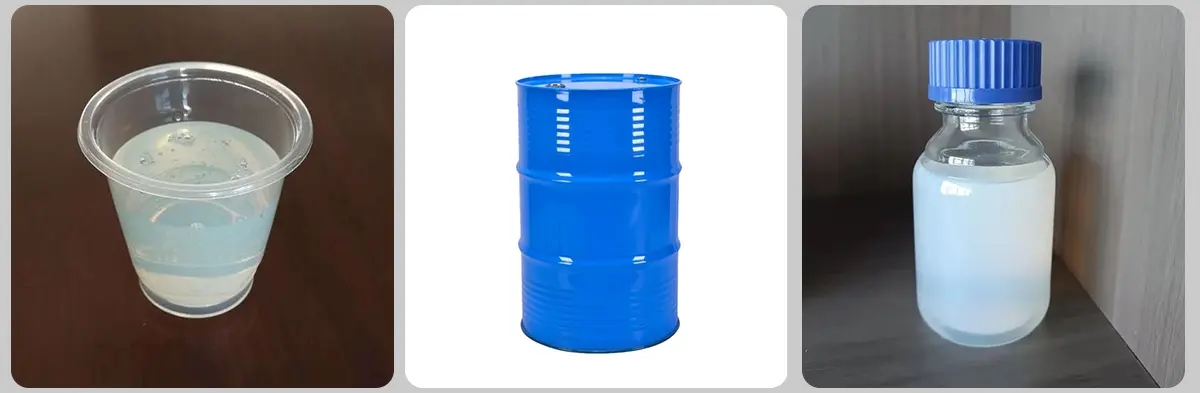
form | foam |
Stability: | Stable. Combustible. Incompatible with strong oxidizing agents. |
InChI | InChI=1S/C3H8N2O/c1-2-5-3(4)6/h2H2,1H3,(H3,4,5,6) |
InChIKey | RYECOJGRJDOGPP-UHFFFAOYSA-N |
SMILES | N(CC)C(N)=O |
CAS DataBase Reference | 9009-54-5 |
IARC | 3 (Vol. 19, Sup 7) 1987 |
Product Application of Polyurethane CAS#9009-54-5
Polyurethane covers a diverse array of end uses, among which orthopedic aids like internal bone splints are included.
Polyurethane resins and foams represent key industrial polymers. They can be formulated into rigid, semi-rigid or flexible foams as well as resinous materials, delivering great adaptability for abundant commercial scenarios. These materials are extensively adopted for furniture, bedding, automotive sealing components, adhesives, carpets, packaging media, coatings and plenty of other finished goods.
Polyurethane gains substantial recognition thanks to its favorable resistance against oil, light and solvents, coupled with remarkable mechanical strength and pliability. Such polymers are formed via polyaddition reactions between diisocyanates and polyhydroxy substances, namely polyols.