
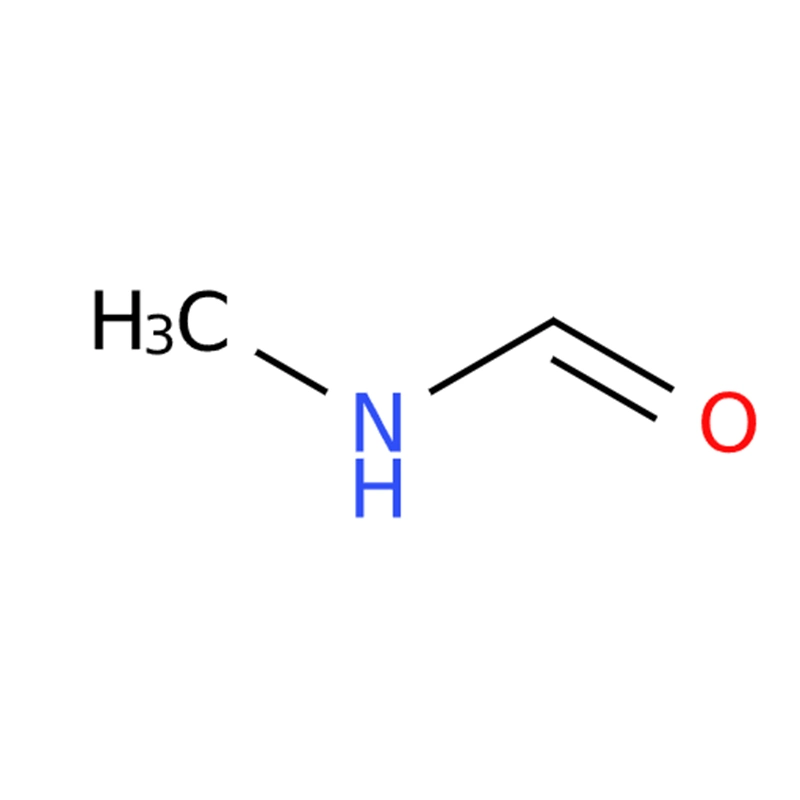
Product Description of N-Methylformamide CAS#123-39-7 High-purity N-methylformamide appears as a colourless, clear and viscous liquid. Its key physical parameters include a melting point of -3.8°C, boiling point of 198°C, refractive index n25D = 1.4310, and a relative density of 0.9986 at 25°C.
This substance dissolves in water and inorganic salts, which qualifies it for numerous chemical processing workflows. It is hygroscopic by nature and tends to break down easily when exposed to acidic or alkaline surroundings.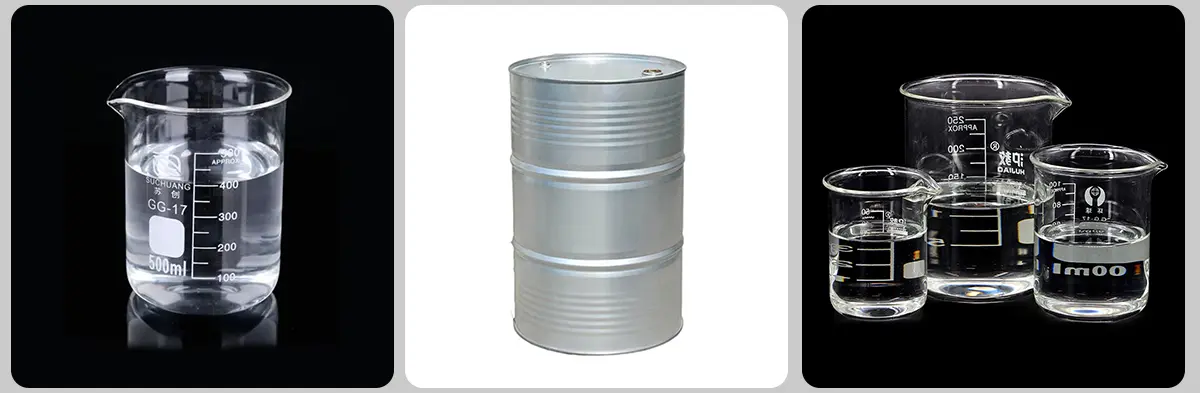
N-Methylformamide Chemical Properties
| Melting point | -4 °C (lit.) |
| Boiling point | 198-199 °C (lit.) |
| Density | 1.011 g/mL at 25 °C (lit.) |
| Vapor pressure | 20Pa at 20℃ |
| Refractive index | n20/D 1.432(lit.) |
| Fp | >230 °F |
| Storage temp | Sealed in dry,Room Temperature |
| Solubility | soluble in water, chloroform, alcohols, acetone, ethylacetate but not in diethyl ether and petroleum ether |
| Pka | 16.48±0.23(Predicted) |
| Form | Liquid |
| Color | Clear colorless |
| Relative polarity | 6.2 |
| Odor | strong odor |
| Water Solubility | miscible |
| Merck | 146076 |
| BRN | 1098352 |
| Exposure limits | ACGIH: TWA 1 ppm (Skin) |
| Dielectric constant | 171 |
| InChIKey | ATHHXGZTWNVVOU-UHFFFAOYSA-N |
| LogP | -0.97 |
| CAS DataBase Reference | 123-39-7(CAS DataBase Reference) |
| NIST Chemistry Reference | Formamide, N-methyl-(123-39-7) |
| EPA Substance Registry System | N-Methylformamide (123-39-7) |
Safety Information
| Hazard Codes | T |
| Risk Statements | 61-21-R61-R21 |
| Safety Statements | 53-45-S53-S45 |
| WGK Germany | 1 |
| RTECS | LQ3000000 |
| TSCA | Yes |
| PackingGroup | II |
| HS Code | 29241990 |
| Hazardous Substances Data | 123-39-7(Hazardous Substances Data) |
| Toxicity | LD50 in mice (mg/kg): 2300 i.p.; 2600 orally; 1580 i.v.; 2700 i.m. (Langdon) |
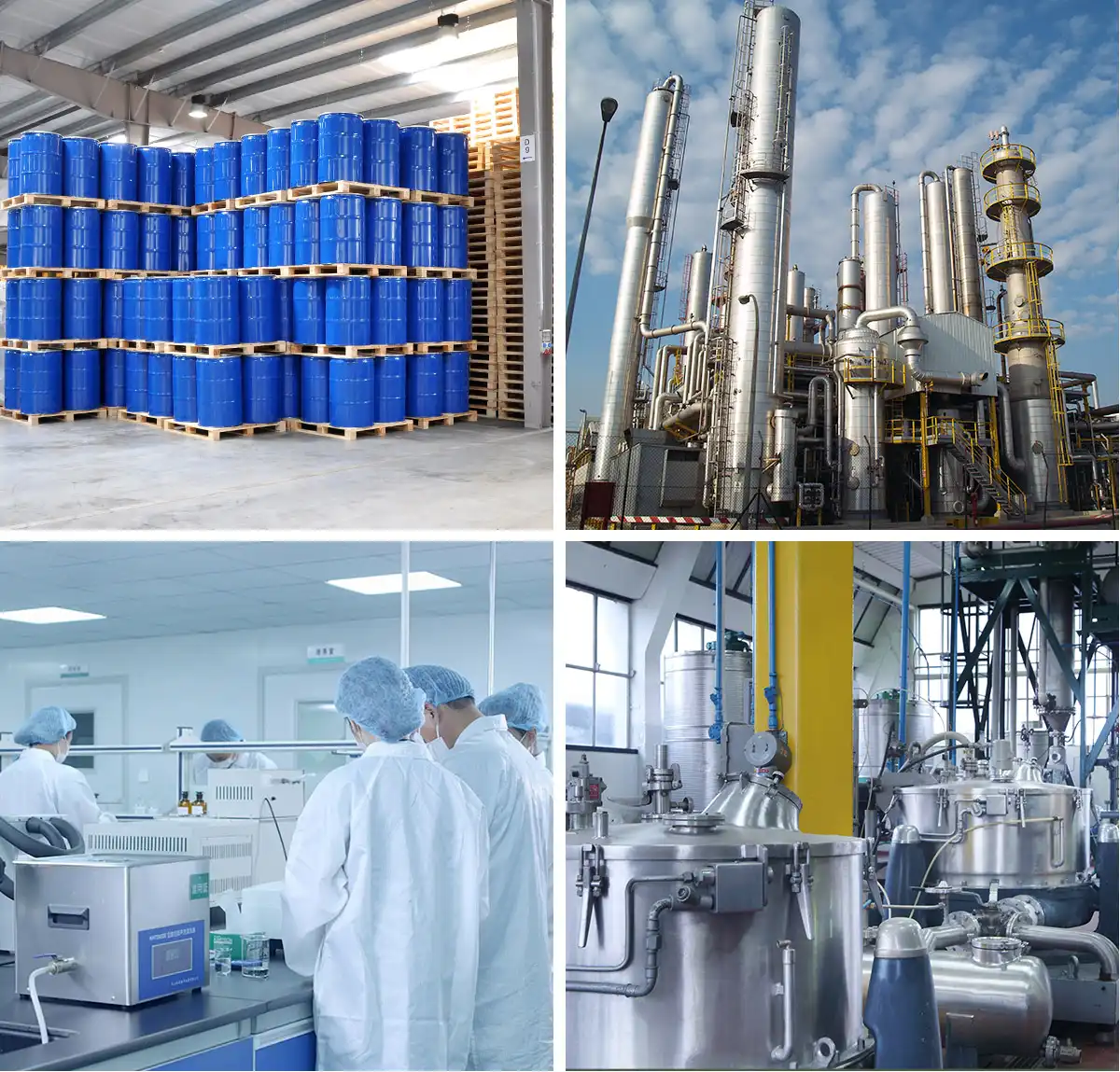
Product Application of N‑Methylformamide CAS#123‑39‑7 N‑methylformamide acts as a vital organic feedstock and synthetic intermediate. Functioning as a high‑performance organic solvent, it gains extensive deployment within chemical‑synthesis workflows.
It is frequently adopted to prepare high‑efficiency, low‑toxic monomethylformamide derivatives as well as distyrylamide‑type compounds. Moreover, it can double as both reaction medium and purification solvent for organic synthetic operations.
This chemical also sees substantial adoption across pharmaceutical manufacturing, dyestuff production, flavor‑fragrance preparation, electrolysis and electroplating sectors, exhibiting considerable practical worth for industrial scenarios.