
Products Description of Dextran (CAS# 9004‑54‑0)
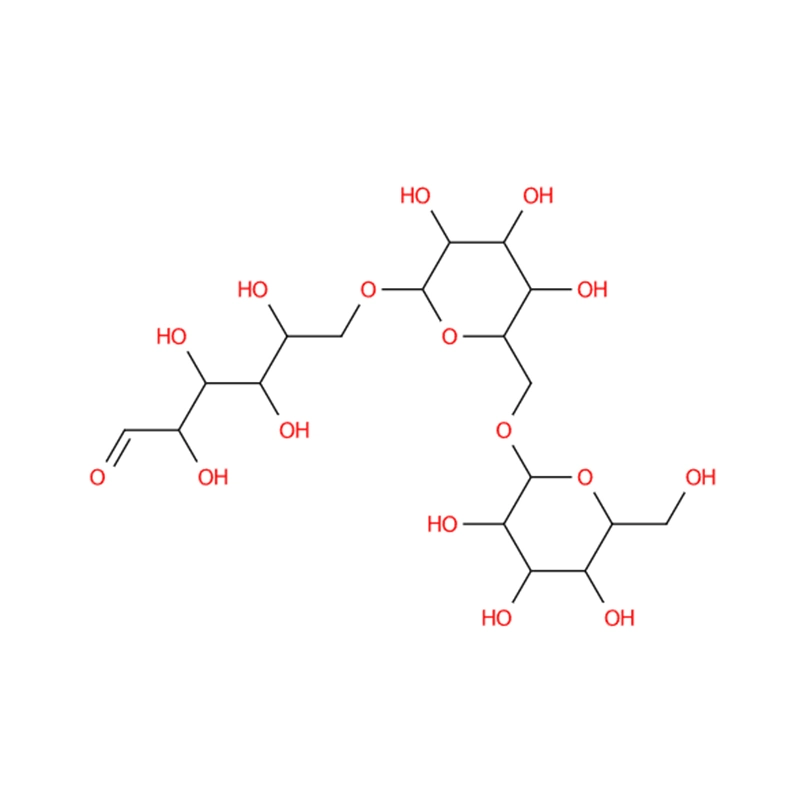
Dextran is a polymeric carbohydrate constructed predominantly through α‑1,6‑glucopyranosidic bonds. It is biosynthesized from sucrose by Leuconostoc mesenteroides and allied microbial strains. Alternative bacterial strains are also capable of generating this polysaccharide starting from dextrin feedstock.
Bead‑form dextran finds frequent deployment within bioreactor platforms, serving as stationary media for size‑exclusion chromatography and test substrates for biomolecule osmotic stress research. Furthermore, it may form a protective shell over metallic nanoparticles to guard these particles against oxidative deterioration.
Dextran family members represent long‑chain glucose polysaccharides distributed across a broad molecular weight spectrum. A typical grade, Dextran 70, possesses an average molecular mass around 70,000. This fraction is retained inside the intravascular compartment and elevates plasma colloid oncotic pressure in a manner comparable to albumin. One key distinction from albumin is that high dosages of Dextran 70 are able to suppress platelet aggregation and accelerate fibrinolytic activity.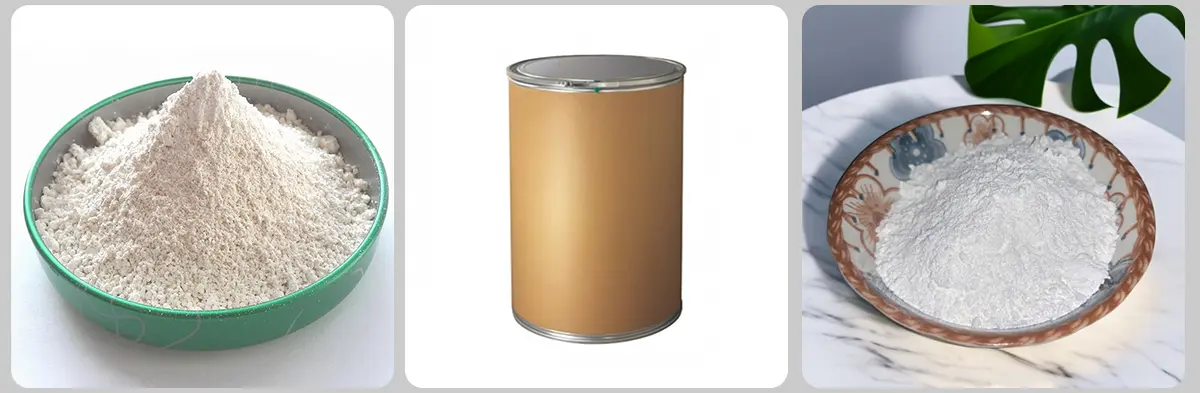
| Product Name: | Dextran |
| Synonyms: | Dextran 75,000 Mw, Pryogen Free;Dextrane2000;Dextran, high fraction, for biochemistry;MUCROSE;NATIVE DEXTRAN;POLY[(1,6)-ALPHA-D-GLUCOSE];DEXTRAN,150,000,POWDER;DEXTRAN,250,000,POWDER |
| CAS: | 9004-54-0 |
| MF: | C17H32O10 |
| MW: | 396.42998 |
| EINECS: | 232-677-5 |
| Product Categories: | Other APIs;Carbohydrates & Derivatives;Inhibitors;Intermediates & Fine Chemicals;Pharmaceuticals;Dextrins、Sugar & Carbohydrates;Carbohydrates D-FAlphabetic;DA - DHBiochemicals and Reagents;Biostabilization AgentsCarbohydrates;Biostabilization AgentsBiochemicals and Reagents;Carbohydrates A to;Carbohydrates D-FBiochemicals and Reagents;Biochemicals and Reagents;Carbohydrates;Polysaccharide;DA - DHPolymer Standards;Alphabetic;D;Dextran;Water Soluble Polymers;DextranChromatography;DIN StandardsCertified Reference Materials (CRMs);Application CRMs;Polymer Standards;Biostabilization AgentsResearch Essentials;CarbohydratesBiochemicals and Reagents;Stabilization of Biomolecules;Core Bioreagents;Organic SolublePolymer Standards;Polymer Standards Kits;Water Soluble;Cell Separation (Centrifugation) MediaResearch Essentials;Centrifugation Media;Hematology and Histology |
| Mol File: | 9004-54-0.mol |
Dextran Chemical Properties
| Melting point | 483 °C (decomp) |
| Alpha | 198 º |
| Density | 1.00-1.20g/mL |
| Refractive index | 185 ° (C=6, H2O) |
| Storage temp | 2-8°C |
| Solubility | H2O: soluble50mg/mL, clear to very slightly hazy, colorless to faintly yellow |
| Form | Solid |
| Color | White to slightly off-white |
| PH | 46063 |
| Biological source | bacterial (Leuconostoc mesenteroides) |
| Optical activity | +208 to +233 (formaldehyde) |
| Water Solubility | Soluble in water, dimethyl sulfoxide, ethylene glycol and glycerol. |
| Merck | 142948 |
| Stability | Stable. Keep dry. Incompatible with strong oxidizing agents. |
| LogP | -4.259 (est) |
| EPA Substance Registry System | Dextran (9004-54-0) |
| Absorption | ≤0.05 at 375nm in H2O at 10% |

Kojic Acid (CAS# 501‑30‑6) boasts diversified application prospects across multiple industrial sectors. Within cosmetic formulations, it is frequently incorporated into whitening creams and other skincare goods. By suppressing tyrosinase activity and delivering antioxidant performance, it helps mitigate skin pigmentation and fade freckles. It is also compounded into sunscreen formulas to reinforce ultraviolet‑shielding efficacy.
In food‑processing scenarios, its antibacterial and antioxidant characteristics help retain freshness for fruits, vegetables and meat items, while stabilizing the natural hue of processed foods such as fruit juice.
For pharmaceutical applications, kojic acid serves for managing pigmentary skin ailments including melasma. Additionally, it can function as an antibacterial and anti‑inflammatory component within topical therapeutic preparations.
Beyond the above‑mentioned fields, kojic acid finds agricultural deployment as a plant‑growth regulator. In general‑industry manufacturing workflows, it acts both as an antioxidant and metal‑ion chelating reagent.