
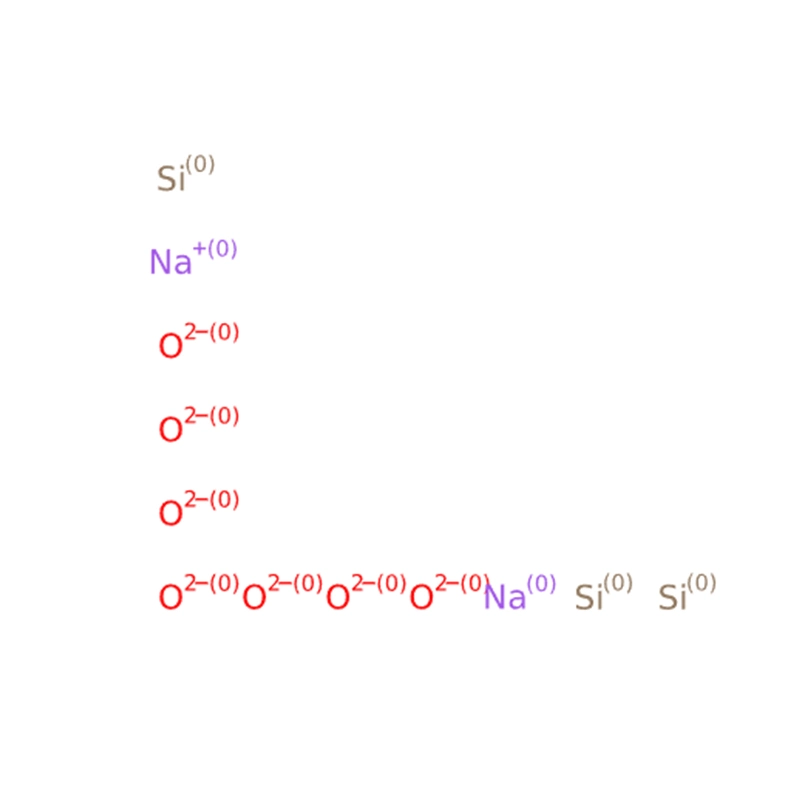
Products Description of SODIUM TRISILICATE CAS#13870‑30‑9
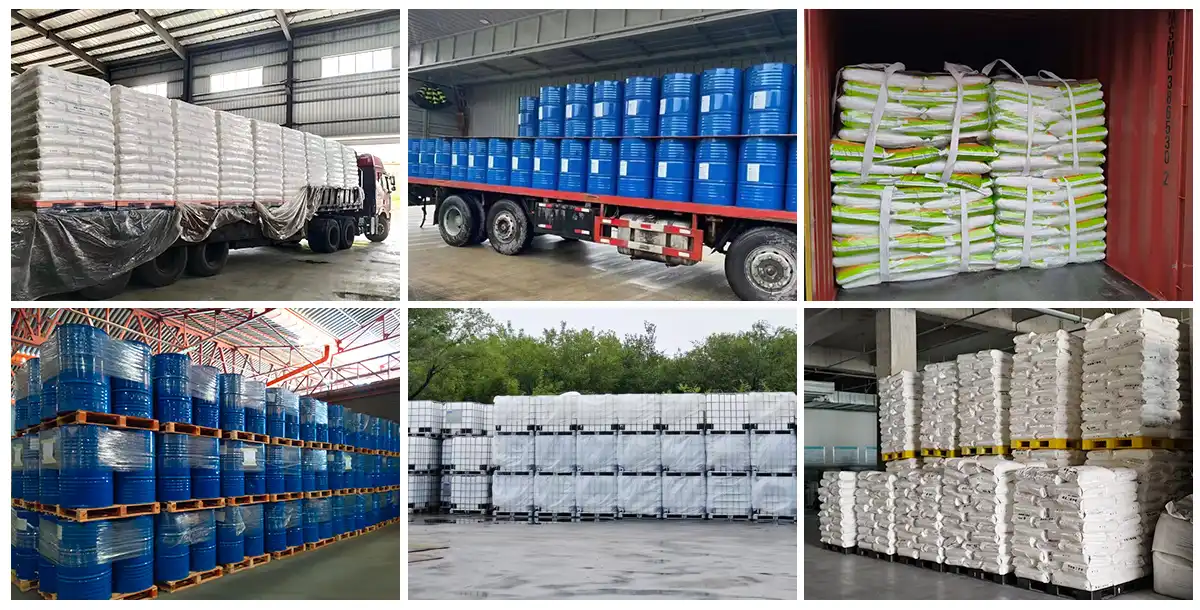
Sodium trisilicate belongs to the family of water‑soluble silicates and can be offered in three physical grades: solid, liquid and water‑quenched. From a theoretical perspective, materials of this class are classified as colloidal substances.
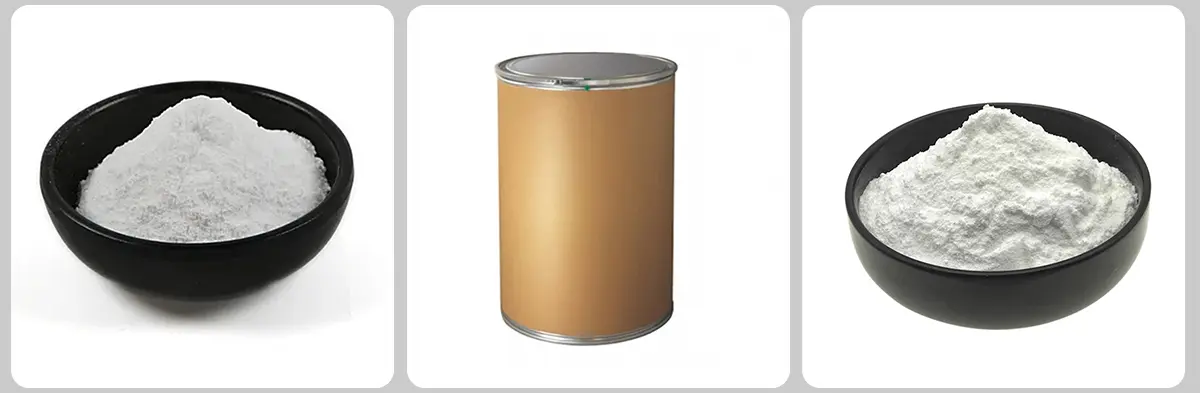
Technical‑grade solid sodium trisilicate mostly takes the form of transparent or semi‑transparent glass‑state solids, either colourless or lightly tinted. Its visual hues‑including pale blue, cyan, sky‑blue, yellow‑green and alternative shades‑are governed by impurity levels. The anhydrous solid exhibits colourless, glass‑like clarity when impurities are kept to a minimum. Rising impurity concentrations will intensify discoloration of the glass matrix. Iron oxide contaminants can induce light‑brown, dark‑brown and even black tones, and colour saturation grows stronger with lower modulus figures.
Liquid‑form sodium trisilicate is commonly a thick, transparent or semi‑transparent fluid ranging from colourless to faint pale‑grey.
Diethyl sebacate Chemical Properties
| Melting point | 750 °C |
| density | 0.7 g/mL at 25 °C |
| form | powder |
| color | Black |
| Hazard Codes | Xi,C,F |
| Risk Statements | 36/37/38-34-15-11-14/15 |
| Safety Statements | 26-45-43-36/37/39 |
| RIDADR | UN 2813 4.3/PG 2 |
| WGK Germany | 1 |
| F | 3 |

Product Application of SODIUM TRISILICATE CAS#13870-30-9
Also named water glass, sodium trisilicate is a water-soluble silicate, and its aqueous solution shares the same common name. It serves primarily as binding agents, additives for detergents and soap formulations, and soil stabilizers. In textile manufacturing, it acts as a processing aid for dyeing, bleaching and yarn sizing procedures. Besides, it finds extensive use as a reagent for mineral flotation and covers a broad range of other industrial scenarios.