
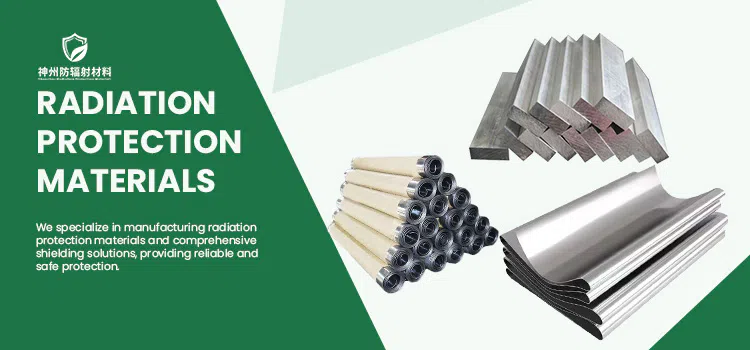
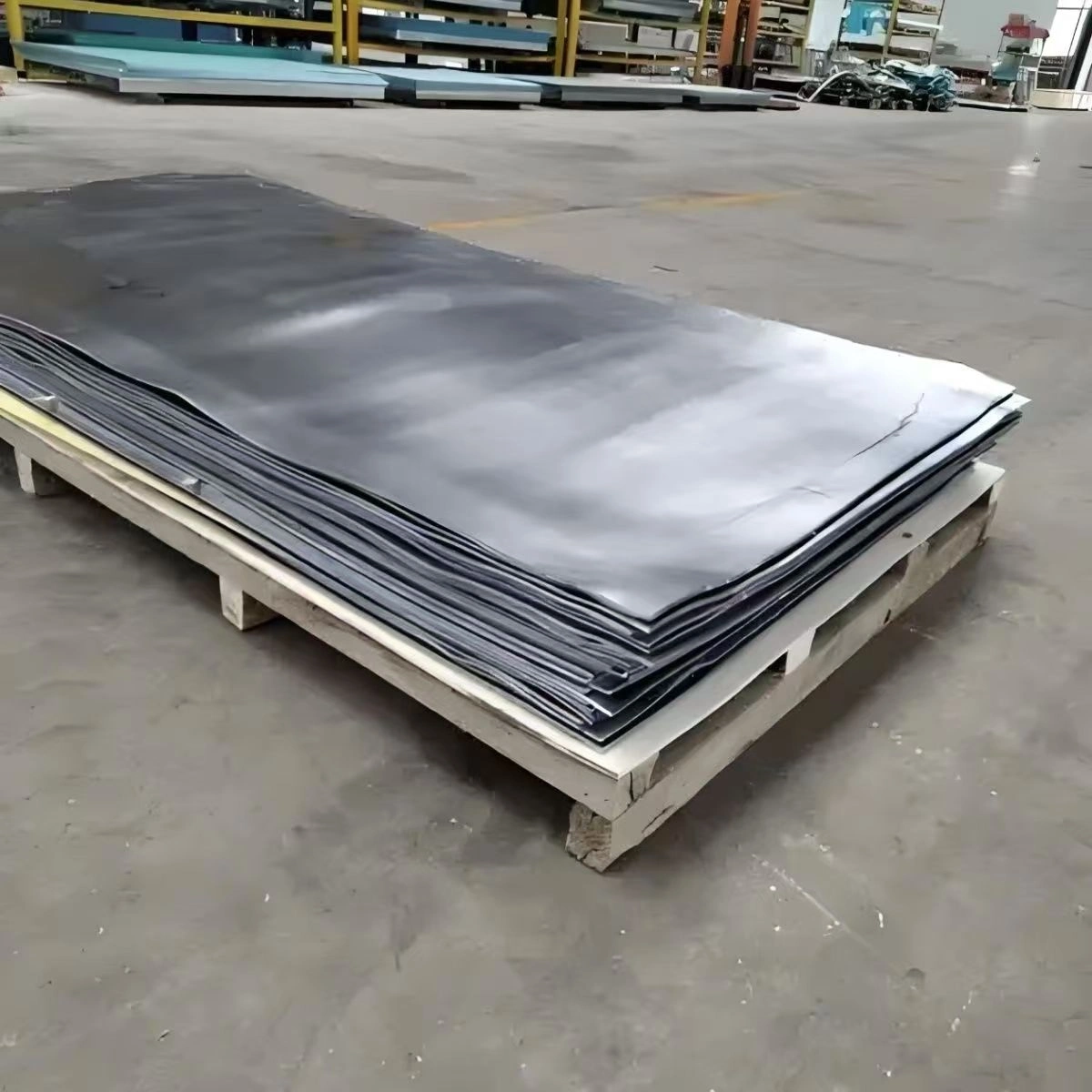
Manufactured from 99.99% high-purity electrolytic lead, this product features a density of 11.34g/cm³ and an atomic number of 82. It is recognized as the benchmark material for shielding high-energy X-rays, gamma rays and neutron radiation. Boasting outstanding space utilization and shielding performance, it remains an indispensable solution for nuclear power, medical radiotherapy and other demanding industries.
Five Core Advantages
Superior Shielding Performance
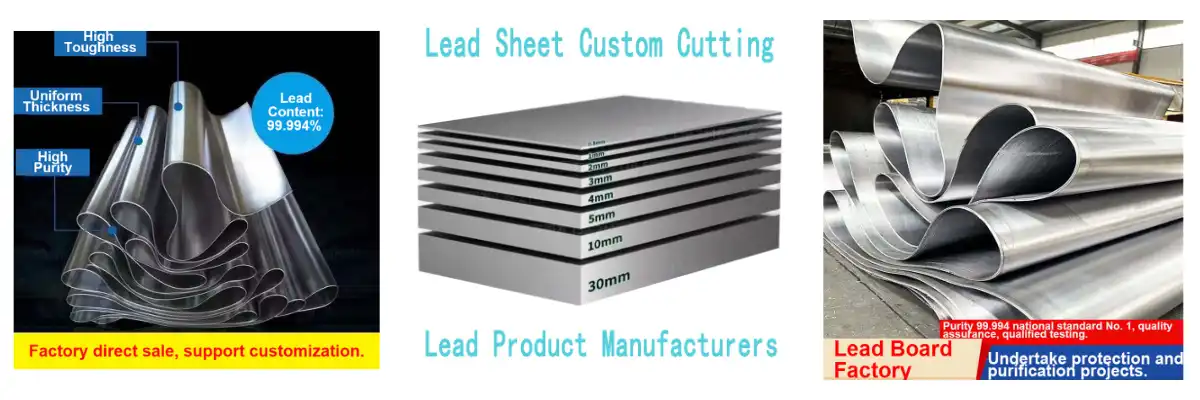
A 1mm sheet equals 1mm lead equivalent. It achieves over 99% shielding efficiency against high-energy gamma rays above 300kV, covering the full energy range from 10keV to 10MeV, outperforming laminated composite materials.
Space-Saving Innovation
Only 2mm thickness is required for medical CT rooms, delivering shielding equivalent to a 1-meter concrete wall. It cuts building space usage by 90%, ideal for renovation projects.
Excellent On-site Adaptability
The material supports cutting and welding. Lead coils can be bent and wrapped around piping and equipment (minimum bending radius ≥ 5 times sheet thickness), fitting seamlessly on curved walls and complex structures.
Long-term Durability
Resistant to acid and alkali corrosion, with stable performance from -50℃ to 150℃. Anti-aging and durable for over 50 years, with nearly zero maintenance costs.
Eco-friendly & Cost-effective
100% of scrap lead can be recycled and remelted. Its long-term cost is lower than alternatives like barium sulfate materials.
Core application scenarios
Medical protection field
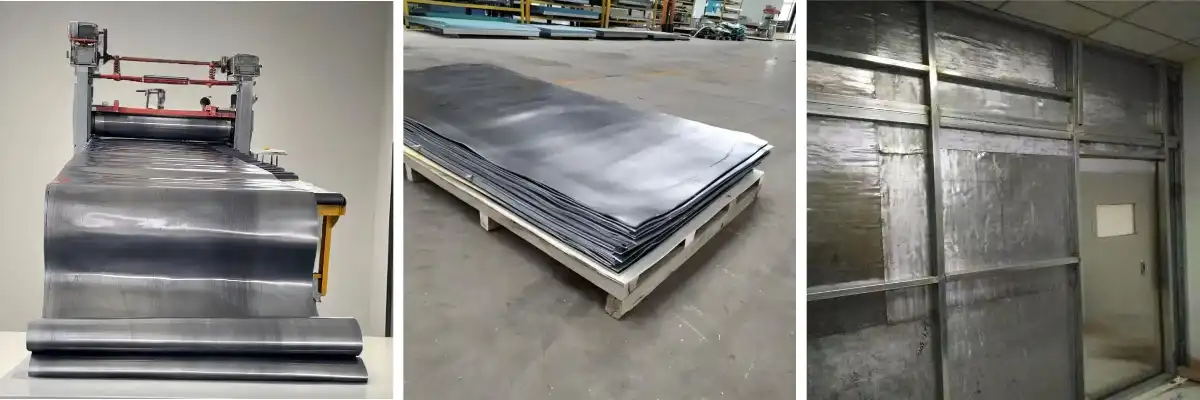
Radiotherapy room: 3mm lead plate is used to construct the wall/protective door, and the joints are sealed with step overlap + lead tape to shield the 6-15MV high-energy gamma rays generated by the linear accelerator.
Imaging diagnosis department: 2mm lead plate is used to make the CT machine annular protective cover, and 1.5mm lead roll covers the mobile lead screen frame to block scattered radiation.
Key protection of nuclear industry
Nuclear waste management: 50mm composite lead plate is used as the lining of the transport container to protect the radiation of radioactive isotopes.
Reactor engineering: Lead-cadmium composite plate is used for neutron moderation layer, and the hot room observation window adopts lead glass + lead plate composite structure.
Industrial and civil engineering
Industrial flaw detection: 5-10mm lead plates are used to construct accelerator shielding walls, and lead coils are used to wrap around pipeline weld inspection stations.
Civil protection: 0.5mm lead plates are attached to basement walls to prevent radon radiation, and data centers use lead plate ceilings to shield electromagnetic interference.

Technical parameters and construction specifications
Key performance parameters
Material purity: ≥99.99% (GB/T 1470-2020, medical grade ≥99.994%)
Density: 11.34g/cm³ (20℃ benchmark value)
Thickness range: rigid lead plate 1-50mm, flexible lead coil 0.5-5mm
Mechanical strength: tensile strength ≥15MPa, elongation ≥45%
Key points of professional construction
Sealing and leakage prevention
Use lead plate nails to fix the joints, cover with lead tape for double sealing
Step-by-step overlap for door and window openings (overlap width ≥100mm)
Fill the pipeline perforation area with lead casing + lead putty
Structural adaptation plan
Flat wall: light steel keel base support, staggered installation of lead plate
Curved surface/pipeline: cold press welding to fix the joints after lead coil winding
Surface protection treatment: cover with gypsum board or apply epoxy resin coating to prevent physical damage
Safety warning and industry status
Mandatory safety measures
Cutting/welding operations must be equipped with a forced ventilation system, and operators must wear EN 149 certified lead dust masks and protective clothing
Waste lead plates must be handled by licensed recyclers, and landfill or incineration is strictly prohibited
Summary of irreplaceability
In the field of high-risk radiation protection such as nuclear power and radiotherapy, lead plates have built an irreplaceable safety line with their absolute shielding ability, millimeter-level space occupancy and half-century long life. The International Atomic Energy Agency (IAEA) clearly lists it as the preferred material for high-energy radiation protection, and continues to protect the border security of human nuclear energy applications and medical progress.


