ISOCYANIC ACID CAS#75-13-8
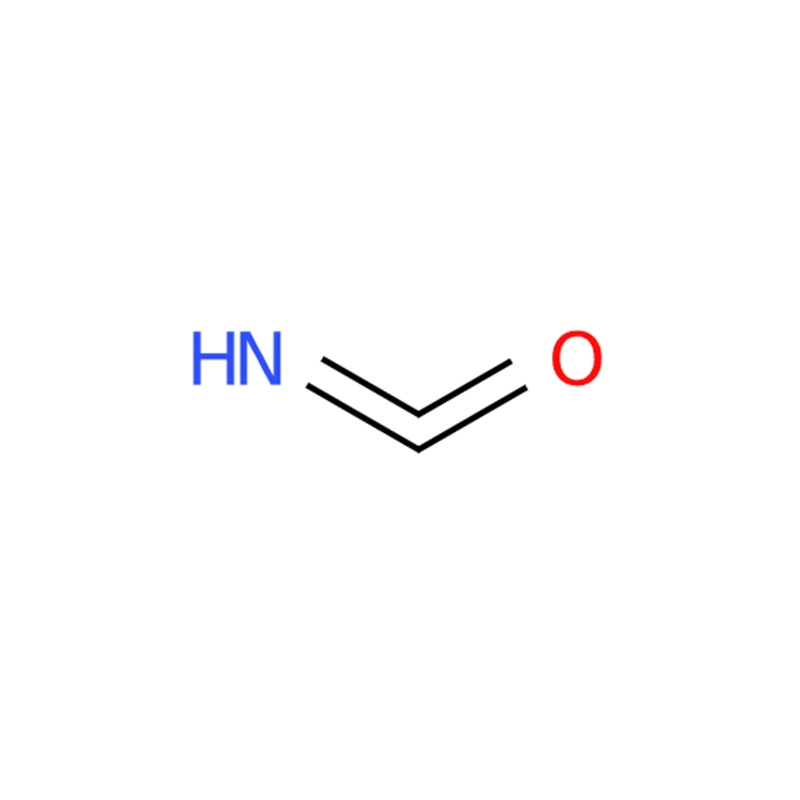
Isocyanates constitute a large family of chemical substances derived from isocyanic acid (HNCO). They are identified by the characteristic R−N=C=O structural formula. These substances fall into four primary categories: alkyl monoisocyanates, substituted phenyl monoisocyanates, α-substituted alkyl isocyanates and polyisocyanates.
Typical representatives of this group cover toluene diisocyanate (TDI), diphenylmethane diisocyanate (MDI), isophorone diisocyanate (IPDI), polymethylene polyphenyl polyisocyanate (PAPI) and hexamethylene diisocyanate (HDI). The majority of commercially available isocyanates are colourless or faint yellow liquids with an acrid smell, and their physical traits change along with differences in molecular frameworks.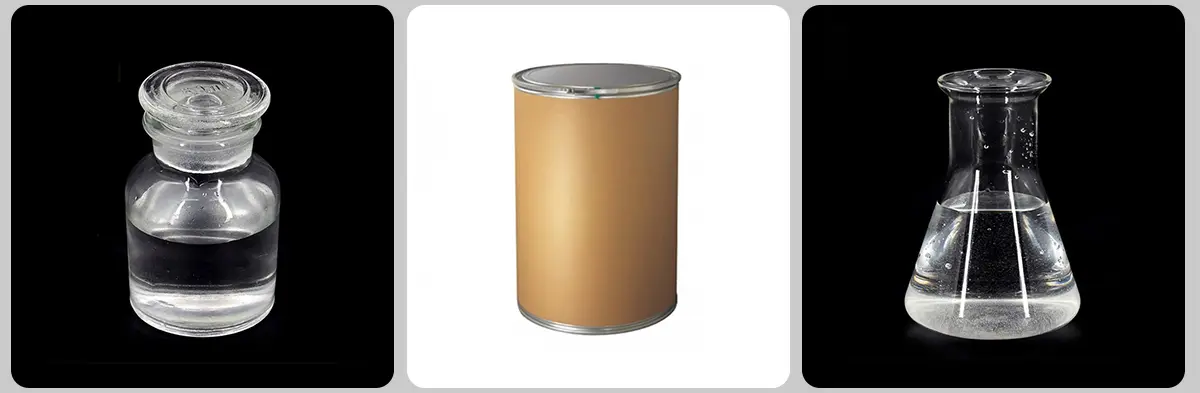
| English Name | ISOCYANIC ACID |
| English Synonyms | Bayhydur XP 2451/1;HN=C=O;ISOCYANIC ACID;Isocyanic acid(6CI,8CI,9CI);JACS-75-13-8;Isocyanicaci;75-13 -8 ISOCYANIC ACID;SOCYANIC ACID |
| CAS Number | 75-13-8 |
| Molecular Formula | CHNO |
| Molecular Weight | 43.02 |
| EINECS Number | 200-808-5 |
| Melting point | -86 ℃ |
| Boiling point | 41.91°C (rough estimate) |
| Density | 1.04±0.1 g/cm3(Predicted) |
| Refractive index | 1.4300 (estimate) |
| pH value | 3.35(1 mM solution);2.76(10 mM solution);2.23(100 mM solution) |
| Specific heat capacity | Cp(gas): 1.04 J/(g-K), at 25℃ |
| Henry's Law Con stant | 2.0x10⁻¹ mol/(m3Pa) at 25C, Roberts and Liu (2019) |
| InChI | InChI=1S/CHNO/c2-1-3/h2H |
| InChIKey | OWIKHYCFFJSOEH-UHFFFAOYSA-N |
| SMILES | N=C=0 |
 Product Application of Isocyanates Isocyanates
 find their largest-scale utilization within the polyurethane sector. Polyurethane materials synthesized from feedstocks including TDI, MDI and HMDI are widely adopted for automotive components, shoe soles, synthetic leather, surface coatings, bonding agents, thermal insulators, long-service-life polyurethane goods, paints and colorants. Additionally, these compounds serve as key intermediates for agrochemicals such as crop protection agents, pesticides, herbicides and plant growth regulators, as well as anti-cancer pharmaceutical agents.
For industrial manufacturing workflows, polymers derived from isocyanates can also be employed to manufacture pigments, synthetic resins, water-repellent finishing agents for textiles, plastic items, cleaning formulations, foamed materials, elastomers, adhesives and coating systems.