
Detailed explanation of nuclear medicine hot cell
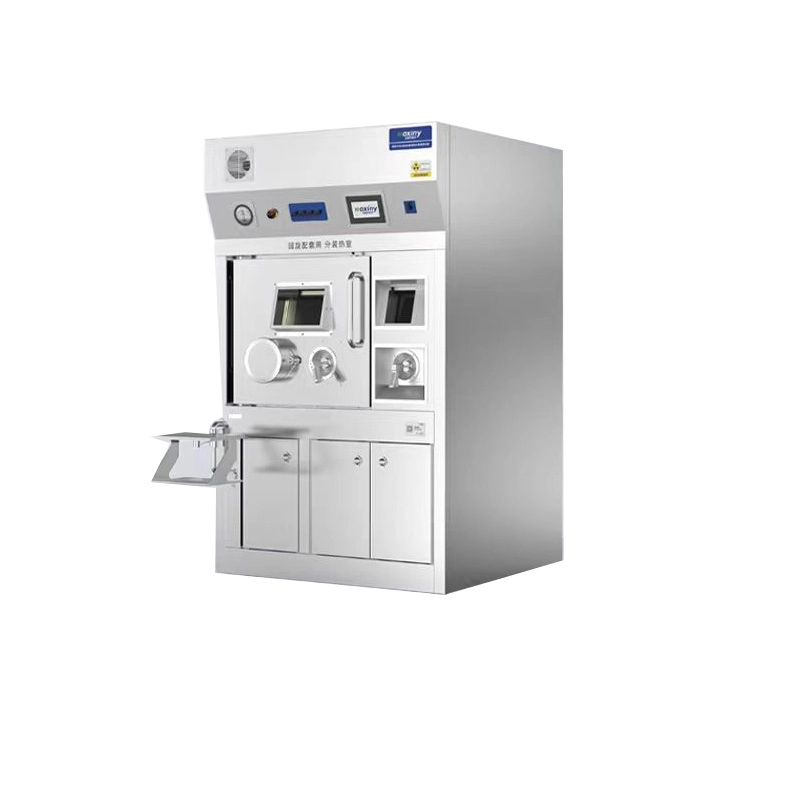
The nuclear medicine hot cell is a fully shielded, enclosed working chamber specially developed for the safe handling of high-level radioactive materials. Widely applied in medical treatment, scientific research and nuclear industry scenarios, it provides reliable radiation isolation to protect operating personnel while ensuring precise preparation and processing of radioactive substances.
1. Structure and shielding design
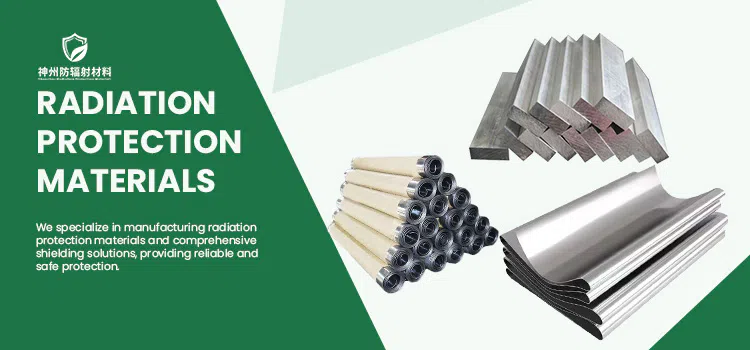
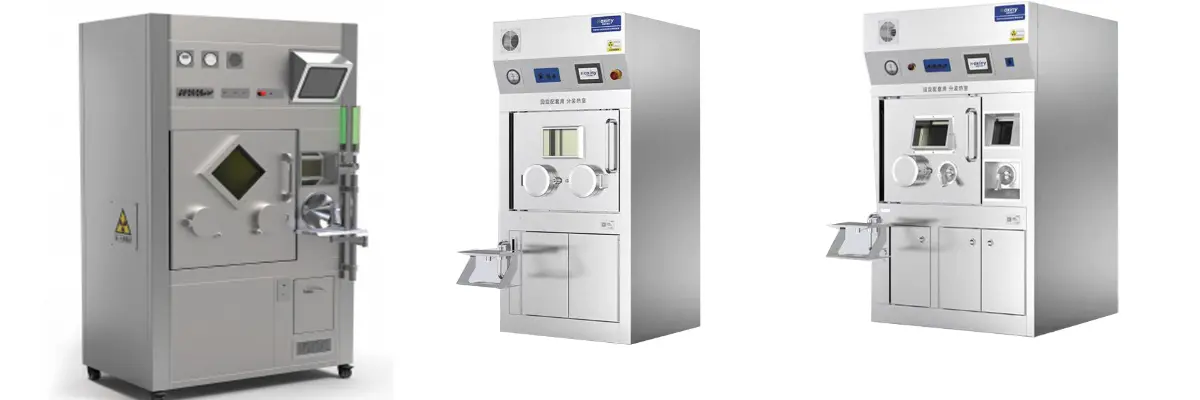
The hot cell main body adopts a multi-layer radiation shielding structure, typically constructed with 5–15 cm thick lead panels, steel plates or high-density concrete. A built-in lead glass observation window with a thickness of over 20 cm effectively blocks gamma rays and beta particles. All shielding structures strictly comply with ICRP (International Commission on Radiological Protection) radiation limit criteria, keeping the external ambient radiation dose below 1 mSv/h. Certain models are equipped with detachable shielding plugs to enable safe sample and equipment transfer inside the fully enclosed chamber.
2. Operation and functional system
Remote control: Operate radioactive materials through robotic arms, long-handled tools or fully automated systems (such as Schlenk technology) to reduce direct contact between personnel.
Ventilation and purification: Built-in negative pressure system and HEPA high-efficiency filter to prevent leakage of radioactive aerosols, and exhaust gas is discharged after adsorption by activated carbon.
Monitoring device: integrated radiation dosimeter, temperature and humidity sensor and real-time camera to ensure safe and controllable environment.
3. Core application scenarios
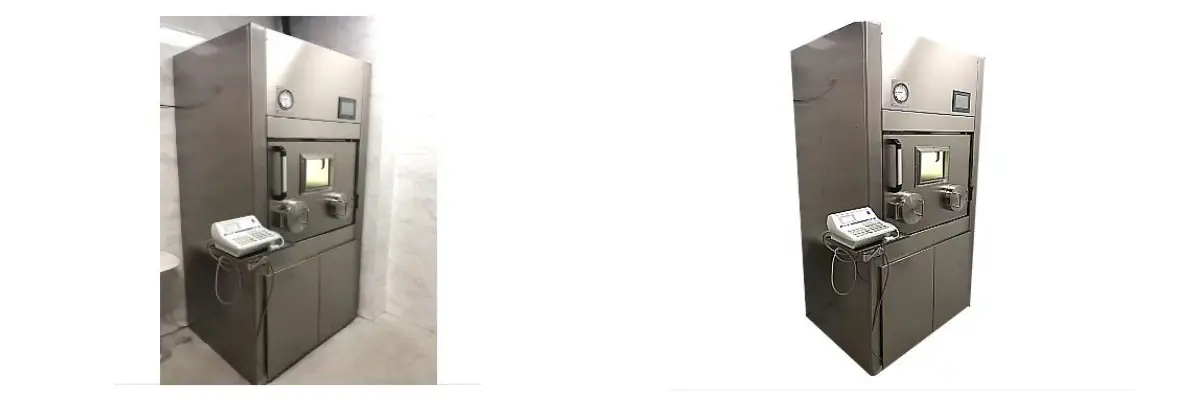
Medical field: used to prepare diagnostic radiopharmaceuticals (such as PET imaging agent fluorine-18 FDG) and therapeutic isotopes (such as lutetium-177, iodine-131), the dose error must be controlled within ±5%.
Scientific research experiments: handling high-activity radioactive sources (such as actinium-225) in nuclear physics laboratories, or studying new isotope-labeled compounds.
Nuclear waste treatment: cutting and packaging of spent fuel or contaminated equipment in accordance with the IAEA "Radioactive Waste Management Standards".
4. Technical specifications and safety standards
The US NRC (Nuclear Regulatory Commission) requires that the design of hot cells must meet the 10 CFR Part 20 radiation protection guidelines and conduct regular shielding effectiveness tests.
Europe follows the EURATOM directive, requiring that the hot cell operation area be strictly isolated from the non-radioactive area and equipped with emergency decontamination facilities.
5. Development Trends
Intelligent upgrade: Introduce AI algorithms to optimize the robot arm operation path and improve packaging efficiency.
Modular design: Hot chamber units that can be quickly assembled or expanded to meet the needs of different laboratories.
Green processing technology: Develop low-energy ventilation systems and radioactive waste reduction technologies to reduce environmental burden.
As a key equipment for radiation protection and precision operation, the technological progress of nuclear medicine hot chambers will continue to promote innovation and development in nuclear medicine diagnosis and treatment, nuclear energy development and other fields.


