
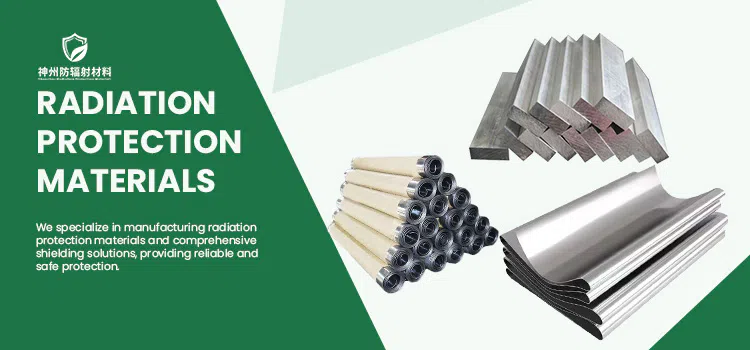
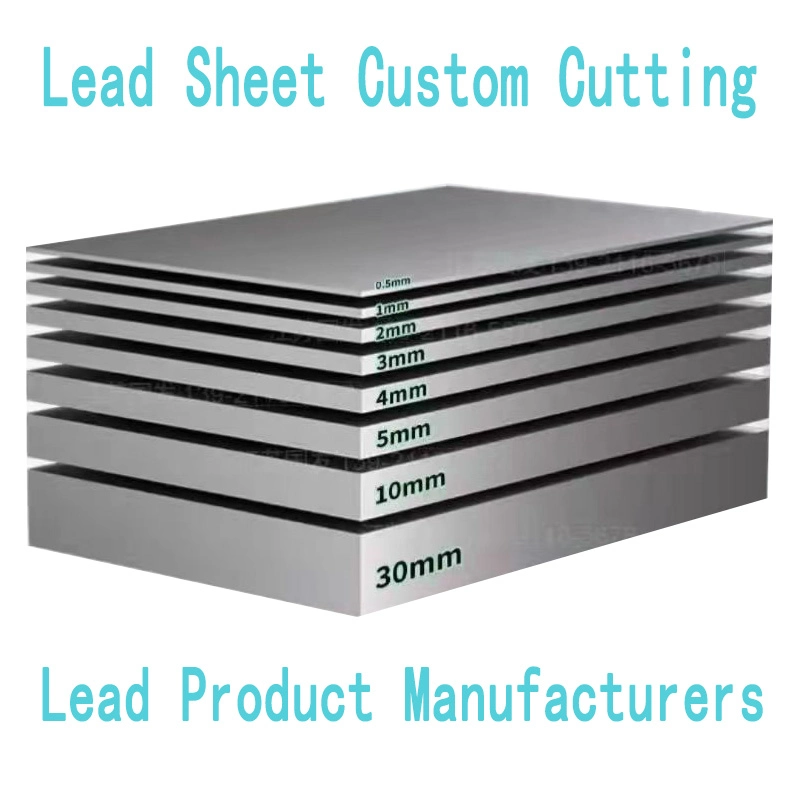
Manufactured via sophisticated rolling processes out of electrolytic lead raw stock, our lead panels belong to top‑tier ray‑blocking supplies boasting impurity‑controlled purity surpassing 99.99%. Benefitting from its exceptional mass density reaching 11.34 g/cm³ alongside distinctive physical properties brought by atomic number eighty‑two (Z=82), such material delivers trustworthy and non‑substitutable attenuation performance toward high‑energy X‑ray photons, gamma‑ray emissions as well as neutron particles. This material variant fits perfectly within work premises subject to rigorous radiation safety specifications, covering nuclear power generation facilities, oncological radiotherapy departments plus numerous other locations demanding superior‑grade shielding conditions.
Major competitive strengths
Superior ray‑defending capability
Wide‑range high‑efficiency attenuation: Attenuation efficiency exceeds 99% for ray energy ranging from 10keV to 10MeV, particularly targeting high‑energy gamma radiation exceeding 300kV. One‑millimetre material thickness delivers 1mmPb lead equivalency and outperforms multi‑component composite alternatives.
Neutron flux mitigation: The integrated cadmium composite stratum is capable of slowing neutron particles significantly, making this material fit for core functional zones inside nuclear reactor facilities.
Optimized layout & simplified installation
Space‑slim lightweight property: A material thickness between 1mm and 3mm satisfies application demands for most practical conditions; for instance, merely 2‑mm‑thick material is sufficient for CT chamber wall construction, cutting occupied space by over 90 % when compared against concrete barrier structures.
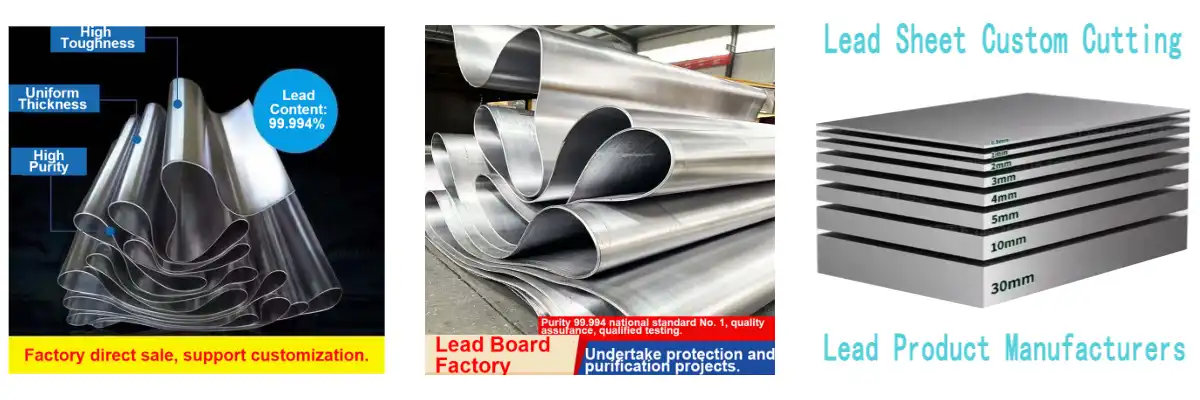
Versatile machining performance: This substance permits cold bending operations to match contours of pipelines and mechanical apparatus, with a minimum bend radius no less than five times panel thickness. Cutting, fusion welding and gap‑free joint assembly are all available processing approaches.
Long‑term reliable durability
Outstanding resistance to acid‑base erosion; surface epoxy resin coating can be applied to boost anti‑corrosion performance further. Featuring anti‑degradation characteristics, it boasts a service cycle beyond 50 years with barely any routine upkeep required.
Scrap lead resources can undergo 100‑percent circular recovery and reutilization, bringing down overall lifecycle expenditure versus composite shielding options.
Representative practical‑use environments
Health‑care sector:
• Wall assemblies and ray‑blocking access barriers for radiotherapy suites (material thickness ranging 2‑3mm)
• Shielding enclosures surrounding CT apparatus and isotope storage cabinets deployed within nuclear‑medicine departments; lead sealing tapes shall be adopted for gap closure at all connecting seams
Nuclear‑energy related industries:
• Inner lining structures fitted for radioactive waste shipping vessels with composite laminates from 50mm up to 200mm
• Viewing panes inside hot‑cell premises as well as neutron moderating components for reactor units; cadmium additive is indispensable when pursuing neutron‑shielding performance
Industrial operations & scientific research projects:
• Custom‑built accelerator protective barriers housed in non‑destructive inspection workshops (customizable thickness: 3‑10mm)
• Beam‑pipe shielding installations for high‑energy physics laboratories, which demand lead raw material of ≥99.995% grade purity to avoid material activation risks
Civil‑purpose segments:
• Interior cladding for basement walls against radon‑related radiation threats, implemented with 0.5‑1mm thick shielding sheets
• Electromagnetic interference suppression laminates applied inside data‑center facilities

Critical performance indices & on‑site erection essentials
Technical property profiles
Raw substance: As defined within national standard GB/T 1470‑2020, lead material shall attain minimal purity of 99.99%; for medical‑grade application scenarios, purity ought to reach 99.994% or higher.
Mass density: 11.34 g/cm³ measured under ambient temperature of 20℃.
Conventional product dimensions: Available sheet thickness ranges 1‑10 mm, while bespoke processing can extend thickness up to 50 mm; standard panel dimension is 1000×2000 mm.
Specialized on‑site assembling guidelines
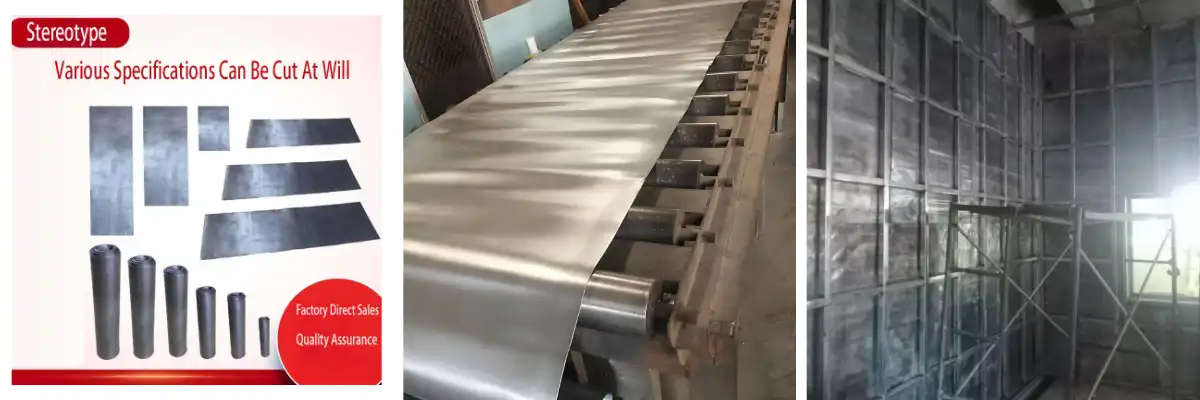
Mounting prerequisite: Substrate wall ought to maintain smooth condition without sharp protrusions, where timber or light‑gauge steel keel frameworks serve as supporting fixing structures.
Core gap‑sealing measure: All connecting seams shall receive dual‑layer sealing treatment combining lead sealing strips alongside lead fasteners.
Step‑type overlapping layout shall be adopted around door and window cutouts, with overlapping width kept no less than 100 mm.
Penetrating holes reserved for piping components shall be fully packed utilizing lead sleeves together with lead‑based putty compound.
Outer‑layer safeguarding solution: Gypsum panel cladding or protective coating painting can be implemented so as to shield the material from mechanical impact and physical destruction.
Hazard precaution notice
Operators shall don dedicated respirators against lead‑containing particulates throughout handling procedures, meanwhile mechanical air‑exhaust setups are mandatory within zones performing cutting operations.
Scrapped lead sheet components ought to be transferred exclusively toward licensed recycling agencies for proper treatment; casual dumping of such metallic scraps is totally forbidden.
Overview of non‑substitutable merits
When deployed within high‑energy ray‑exposed working conditions covering oncological radiotherapy departments and nuclear‑related industrial sectors, lead panels deliver outstanding shielding performance, compact spatial utilization as well as superior long‑term steadiness. Up till now, no alternative substance is capable of taking over all its functions in a full‑scale manner.


