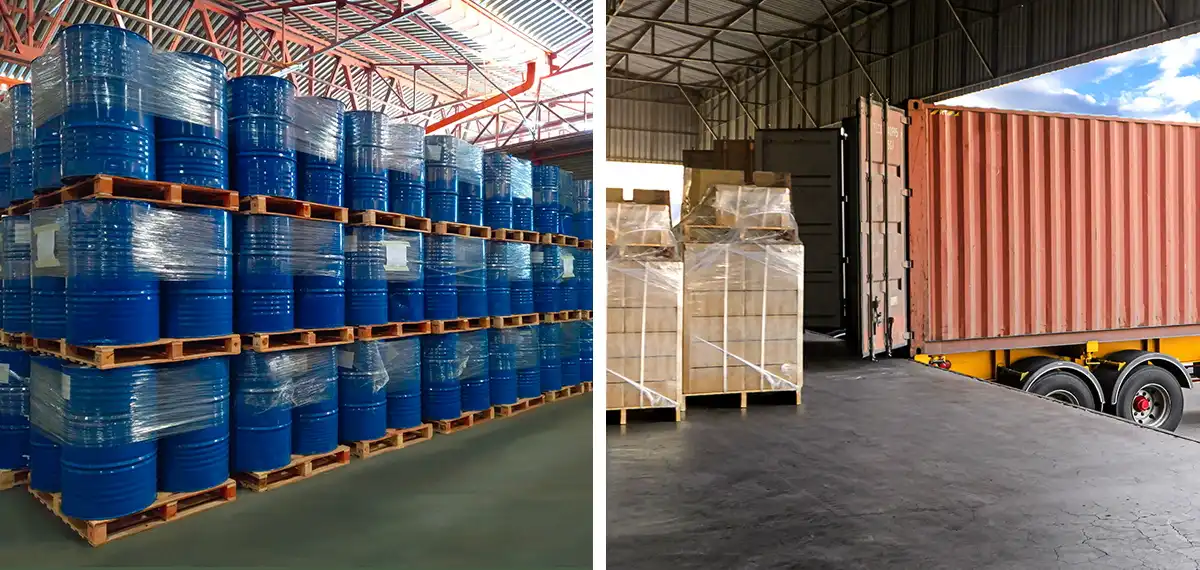
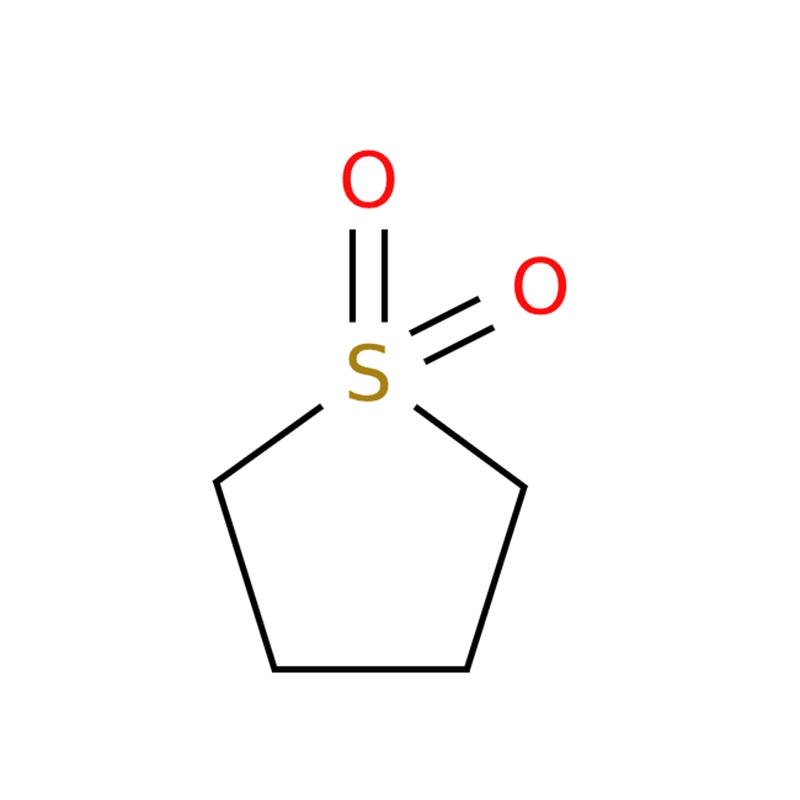
Product Description of Sulfolane CAS#126-33-0 Sulfolane is a high-performance industrial solvent distinguished by its robust solvency for aromatic hydrocarbons and outstanding separation selectivity. It possesses excellent thermal stability, paired with low vapor pressure and low toxic risk. It also exhibits no corrosive effect on carbon steel, which makes it well suited for industrial processing scenarios.
Thanks to this set of favorable properties, the extraction process using sulfolane has grown into one of the most mainstream technologies globally for recovering aromatic hydrocarbons.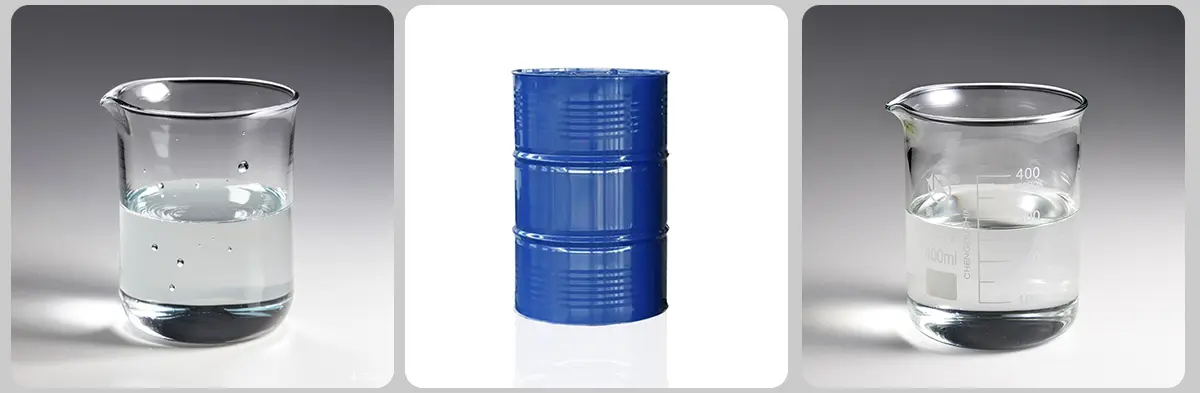
Sulfolane Chemical Properties
| Melting point | 20-26 °C (lit.) |
| Boiling point | 104 °C/0.2 mmHg (lit.) 285 °C (lit.) |
| Density | 1.261 g/mL at 25 °C (lit.) |
| Vapor density | 4.2 (vs air) |
| Vapor pressure | 0.01 mm Hg ( 20 °C) |
| Refractive index | n20/D 1.484(lit.) |
| Fp | 330 °F |
| Storage temp | Store below +30°C. |
| Solubility | >=100g/l soluble |
| Form | Liquid After Melting |
| Color | Clear yellow |
| Water Solubility | soluble |
| FreezingPoint | 26℃ |
| Sensitive | Hygroscopic |
| Merck | 148955 |
| BRN | 107765 |
| Dielectric constant | 44 |
| Stability | Stable. Combustible. Incompatible with strong oxidizing agents. |
| InChIKey | HXJUTPCZVOIRIF-UHFFFAOYSA-N |
| LogP | 0 at 20℃ |
| CAS DataBase Reference | 126-33-0(CAS DataBase Reference) |
| NIST Chemistry Reference | Thiophene, tetrahydro-, 1,1-dioxide(126-33-0) |
| EPA Substance Registry System | Sulfolane (126-33-0) |
Safety Information
| Hazard Codes | Xn |
| Risk Statements | 22 |
| Safety Statements | 23-25 |
| WGK Germany | 1 |
| RTECS | XN0700000 |
| TSCA | Yes |
| HS Code | 29349990 |
| Hazardous Substances Data | 126-33-0(Hazardous Substances Data) |
| Toxicity | LD50 orally in rats: 1.54 ml/kg (Smyth) |
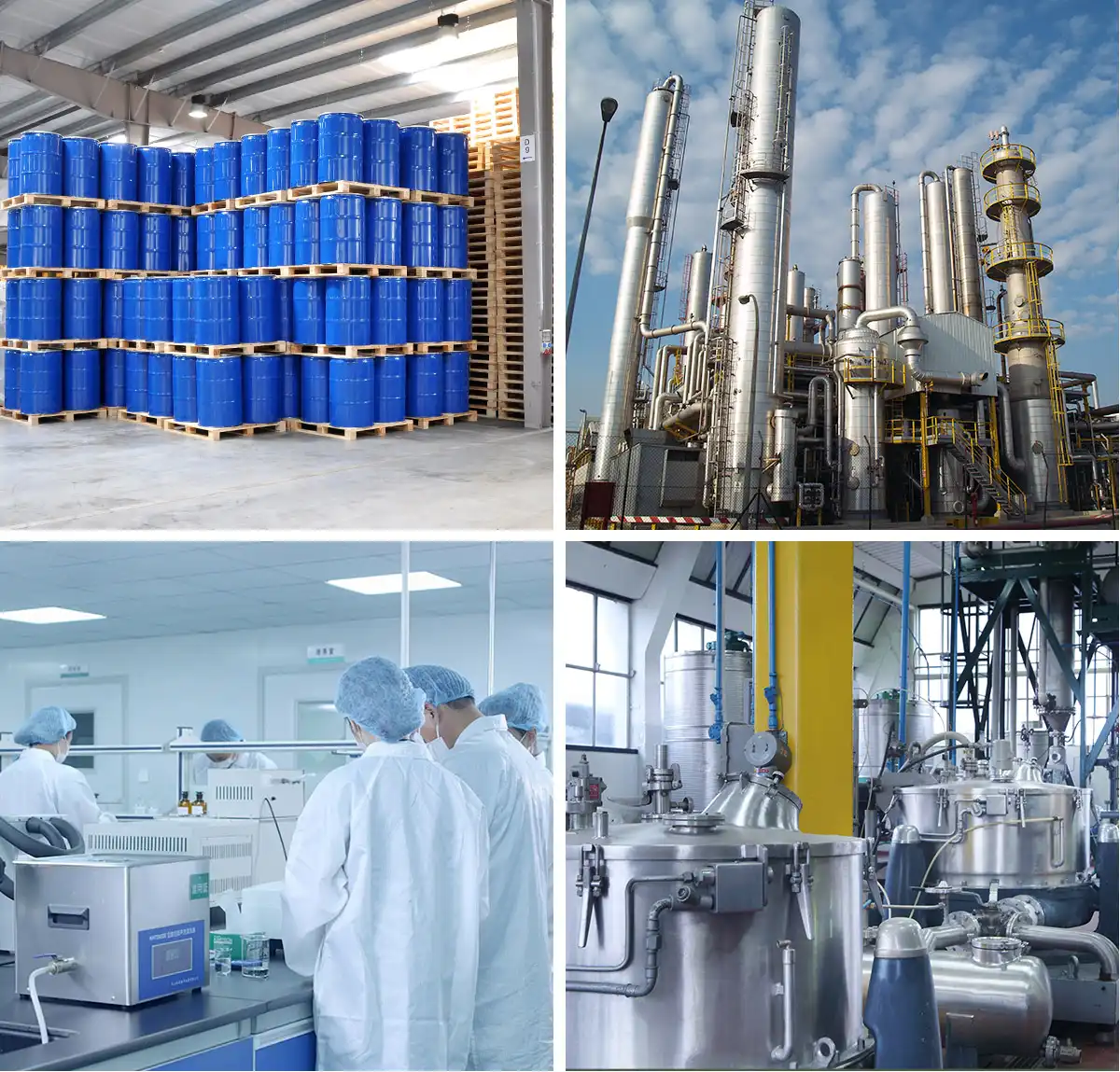
Product Application of Sulfolane CAS#126-33-0 As a polar solvent featuring powerful solvency and exceptional selectivity, sulfolane can dissolve or blend with the majority of organic substances and polymeric materials. It serves broadly as an extractant for aromatic hydrocarbon recovery, a processing medium for polymer spinning and film formation, and a purification agent for natural gas, syngas and refinery off-gas. It also participates in gas refining and desulfurization workflows, and acts as a solvent within rubber and plastic manufacturing.
Beyond these industrial uses, sulfolane functions as a processing aid in textile printing and dyeing. It helps improve the vividness and evenness of dyed colors. Its combination of high aromatic solubility, favorable selectivity, robust thermal stability, low vapor pressure, mild toxicity and compatibility with carbon steel has established it as a dominant solvent choice for global aromatic hydrocarbon extraction processes.