
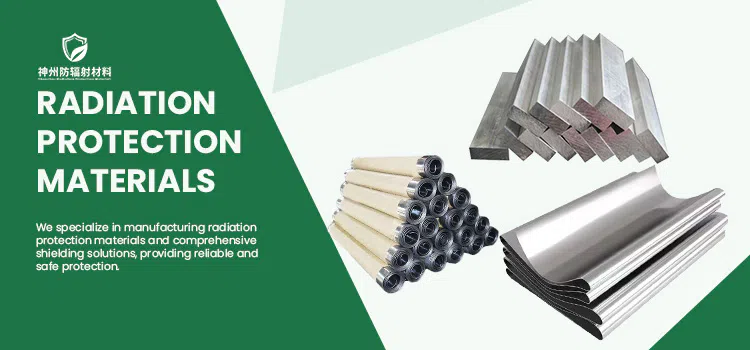
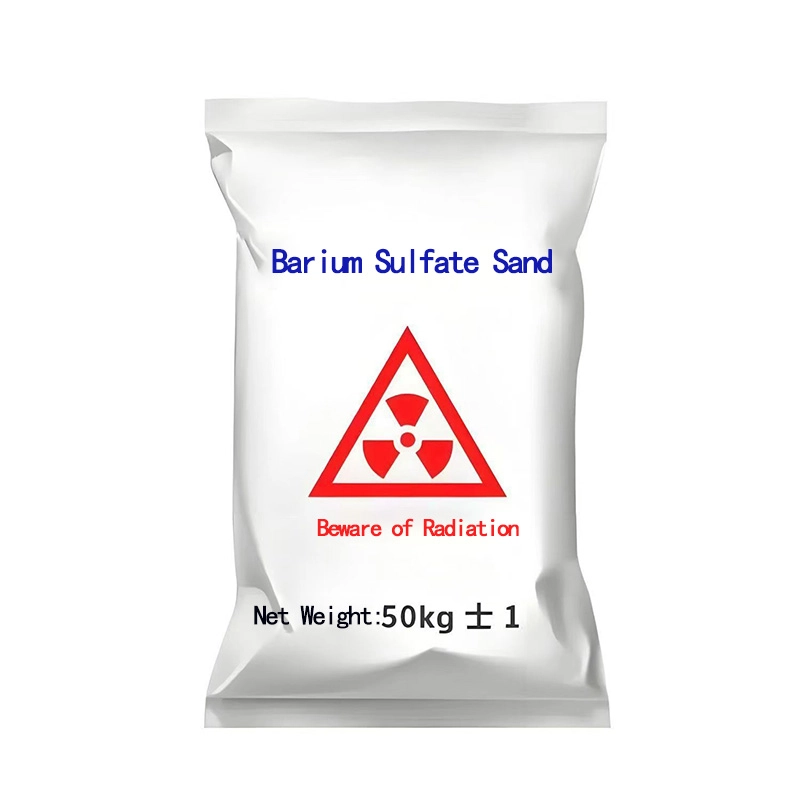
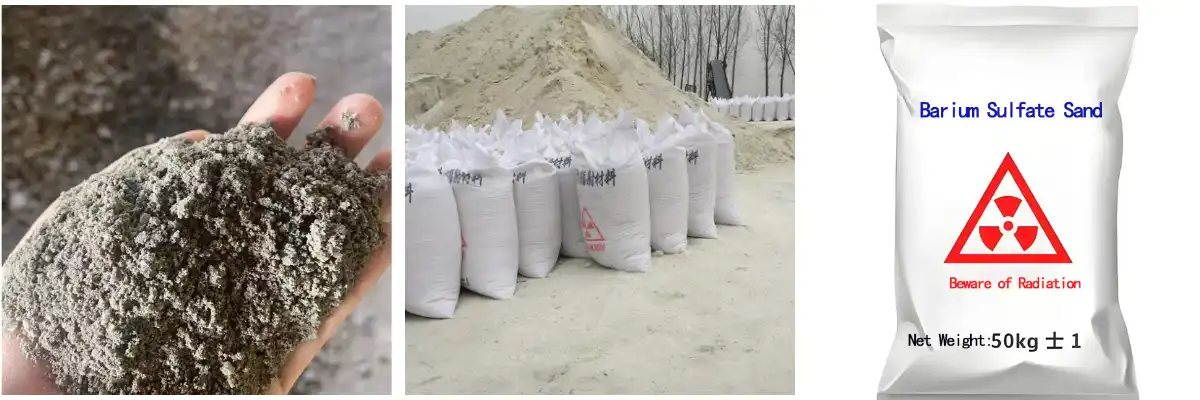
Radiation-proof barium sand is a granular shielding material processed from natural barite ore through crushing, screening, purification and other refined procedures. With a high bulk density (≥4.2g/cm³) and the inherent radiation-blocking properties of barium elements, this material can effectively absorb and attenuate ionizing radiation including X-rays and gamma rays. It is widely applied in radiation shielding construction for medical facilities, industrial projects and nuclear engineering fields.
Core Characteristics
High-Density Shielding Performance
Boasting a density of no less than 4.2g/cm³, barium sand features far superior radiation shielding efficiency compared with ordinary concrete (2.4g/cm³), delivering stable and reliable ray attenuation effects for professional radiation protection engineering.
Eco-Friendly & Non-Toxic
Made of natural inorganic mineral ingredients, the material contains no volatile substances or harmful components. It fully complies with the GB/T 18883-2022 environmental protection standard, ensuring safe application in enclosed public and medical environments.
Simple & Flexible Construction
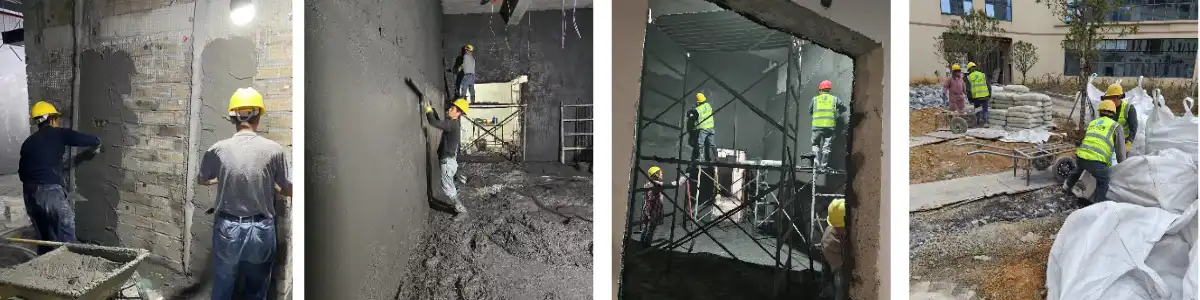
With uniform and stable particle size, barium sand can be directly blended with cement and mortar. The mixed composite can be poured and molded on-site to form integrated radiation-proof walls, floors and structural shielding layers, adapting to various construction forms.
Main Application Scenarios
Medical industry: It serves as wall and floor radiation shielding material for CT rooms, DR examination rooms, dental X-ray suites, radiotherapy treatment rooms and other relevant spaces.
Industrial sector: Applied as radiation shielding lining for nuclear power stations, radioactive labs and industrial flaw detection chambers.
Other applicable occasions: All areas requiring radiation isolation, including scientific research institutes and security inspection passageways.

Technical Parameters
Main component Barium sulfate (BaSO₄) ≥90%
Density ≥4.2g/cm³
Particle size 20-80 mesh (customizable)
Water content ≤0.5%
Ray absorption capacity Equivalent lead plate 2-3mm (according to thickness ratio)
Compressive strength ≥25MPa (after mixing mortar)

Construction methods and Notes
Recommended ratio: barium sand: cement: water ≈ 4:1:0.5 (adjusted according to engineering design requirements).
Construction steps:
Base treatment: clean the base and keep it flat and free of cracks.
Mixing and stirring: Mix barium sand, cement and water in proportion and stir evenly.
Casting and leveling: Cast in layers (each layer ≤ 5cm), vibrate and level after compaction.
Curing: Sprinkle water and maintain at room temperature for more than 7 days.
Thickness design: The required shielding thickness needs to be calculated according to the radiation type (such as X-ray energy level), and it is recommended to be evaluated by a professional organization.
Anti-cracking: Expansion joints need to be reserved during large-scale construction to avoid shrinkage cracking.
Storage conditions: dry and ventilated, moisture-proof and anti-caking.
Should you require more in-depth technical schemes or construction instructions, kindly offer specific application information including the area of the equipment room and the category of installed devices. We will tailor a dedicated solution to match your actual demands.


