
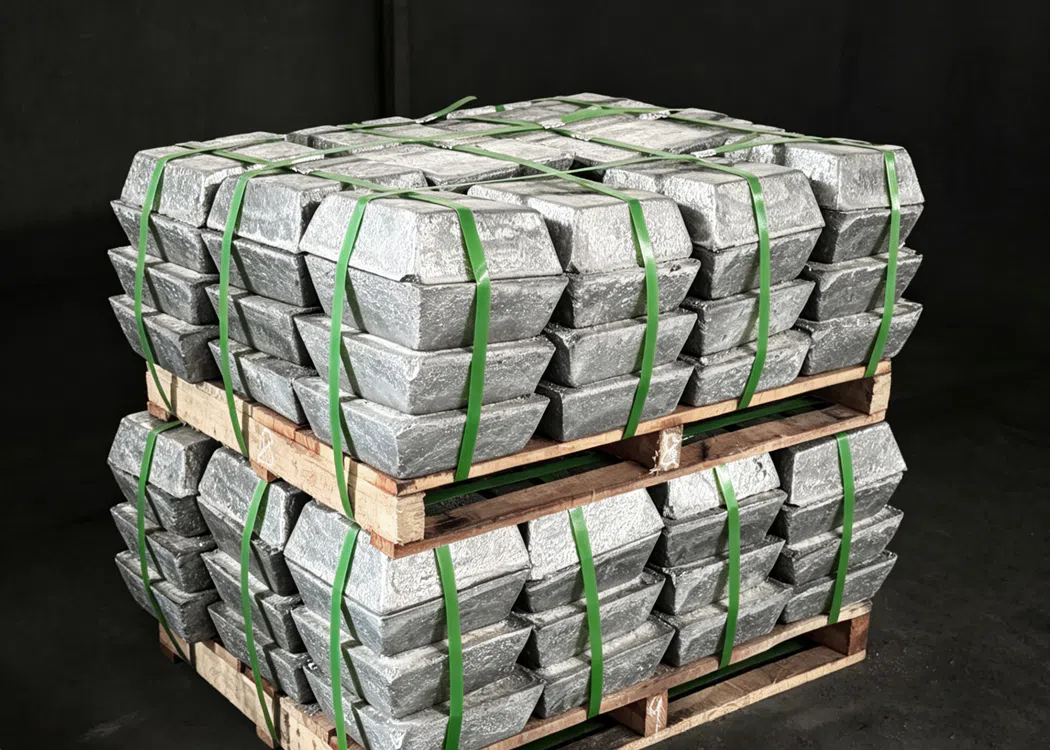
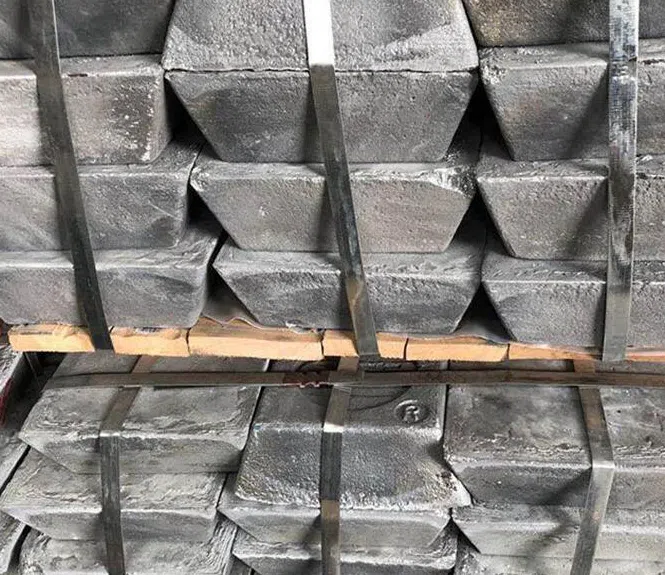
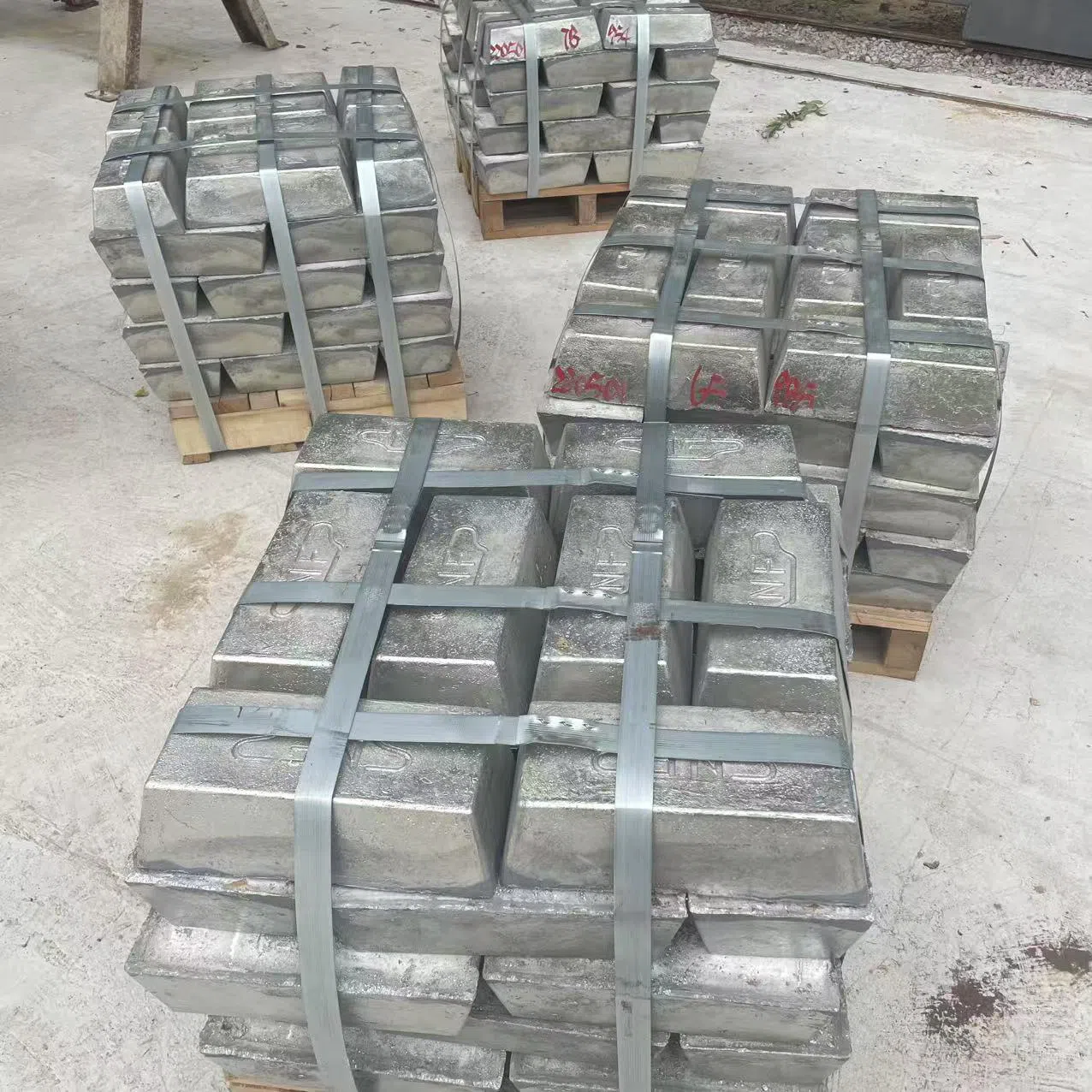
This product is high‑purity primary antimony ingot refined by advanced pyrometallurgical smelting process. It features silver‑grey metallic appearance with characteristic bluish‑purple luster on fracture surface. The material is hard and brittle with no ductility and tends to break into granules or powder upon mechanical impact. Standard truncated hexagonal ingot weighs 20‑25 kg per piece. Ingot surface is smooth and free of obvious dross, inclusions, cracks or pores. Grade and batch marks are stamped on ingot surface for full traceability.
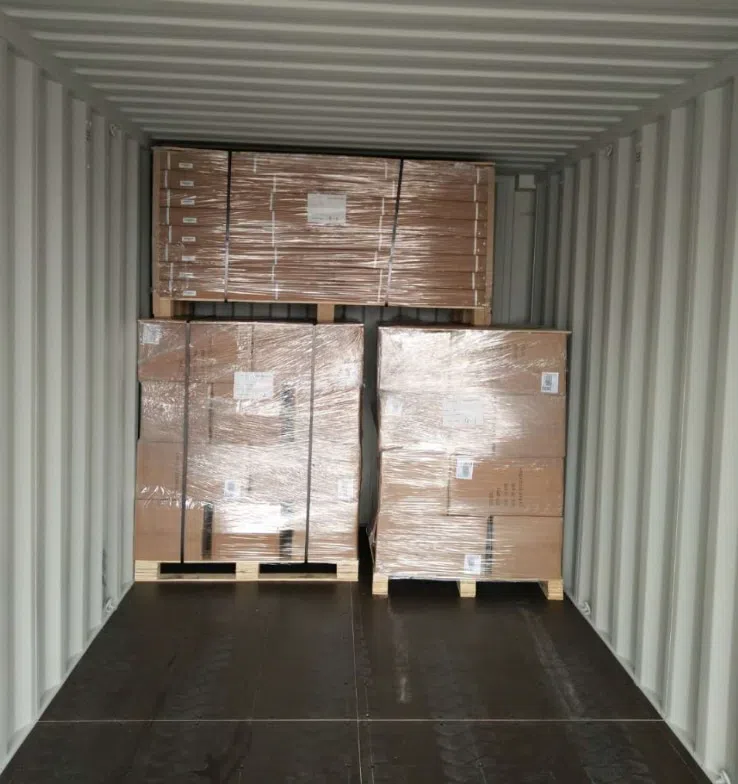
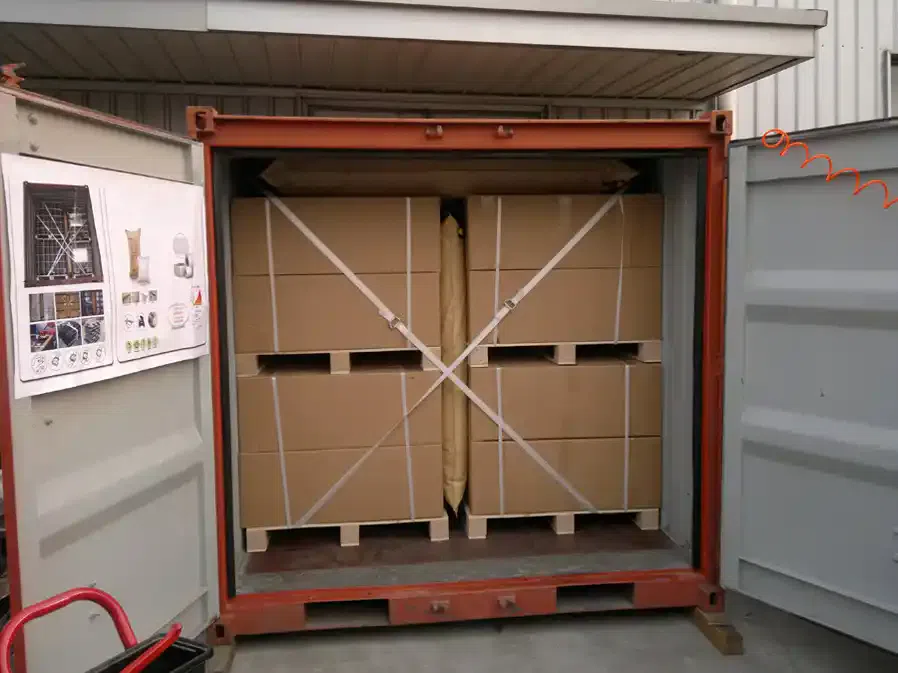
Packaging: Packed in heavy‑duty wooden cases or fumigated wooden pallets, approx. 1000 kg per case / pallet, secured by galvanized steel straps. Suitable for sea container shipment and long‑distance land transportation.
Similar to boron, silicon, germanium, arsenic and tellurium, antimony is classified as a metalloid with intermediate properties between metals and non‑metals. Although structurally close to true metals, it has relatively low thermal and electrical conductivity. It shows a special property that solid‑state conductivity is lower than liquid‑state conductivity. Like phosphorus and arsenic, antimony has several allotropes: stable silver‑white metallic antimony, plus three metastable forms: black antimony, yellow antimony and explosive antimony.
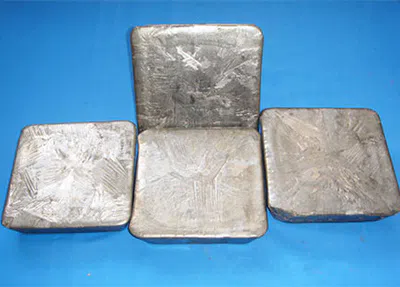
Elemental antimony resists acid corrosion and remains stable in air, but becomes flammable upon heating. It is one of five elements that expand upon solidification (others: silicon, germanium, gallium, bismuth). When molten antimony cools slowly, a thin crystalline film with fern‑like or star‑shaped crystal patterns develops on its surface.
Under standard conditions, metallic antimony is the only stable allotrope. It is a brittle, lustrous silvery‑white metal. Slow cooling of molten antimony yields trigonal crystal structure, identical to arsenic and bismuth. Black antimony is formed by rapid condensation of antimony vapor; it can only exist stably as nanoscale thin films and spontaneously transforms into metallic antimony when thicker. Its crystal structure resembles red phosphorus and black arsenic; it is prone to oxidation and even auto‑ignition in oxygen. At 100 °C it gradually converts to stable metallic antimony. Rare explosive antimony is produced by electrolysis of antimony trichloride. It contains considerable chlorine impurities and is not regarded as true allotrope of pure antimony. Scratching with sharp tools triggers exothermic reaction releasing white fumes and forming metallic antimony; grinding in mortar may result in violent explosion. Yellow antimony can only be obtained by oxidation of stibine at −90 °C. It also contains impurities and is not pure antimony. It converts to more stable black antimony above −90 °C or under light exposure.
① Chemical Stability: Stable in dry ambient air; dense oxide film forms on surface to prevent further oxidation. Resistant to fresh water and weak acid corrosion; insoluble in water. Soluble in aqua regia, hot concentrated sulfuric acid and concentrated nitric acid; reacts slowly with strong alkalis.
② Mechanical Properties: Hard and brittle, Mohs hardness 3.0, high compressive strength but zero ductility. Alloying with lead, copper, tin and other metals can greatly improve alloy hardness, strength and wear‑resistance; antimony serves as an important hardening additive for alloys.
③ Thermal Properties: Moderate melting point at 630.5 °C, low thermal expansion coefficient, relatively low volatility under high temperature, suitable as alloy component for high‑temperature working conditions.
④ Flame Retardancy: Antimony reacts to form antimony trioxide. It delivers remarkable synergistic flame‑retardant effect together with halogen‑based flame retardants. It is one of the most widely used synergistic flame retardants globally with high efficiency and low addition dosage.
⑤ Semiconductor Properties: High‑purity antimony possesses semiconductor characteristics. It can be used for thermoelectric materials, infrared detectors and semiconductor dopants, offering special value for optoelectronic applications.
⑥ Metallurgical Performance:Alloy modification: Adding 0.5%-3% antimony can increase hardness of lead-based alloys by 20%, enhance corrosion resistance of lead‑acid battery grids and extend battery service life by more than 60%. It also improves casting fluidity for complex alloy component production.
High-purity material performance: Sb99.90 grade as well as custom 4N-6N high-purity antimony minimize interference from harmful impurities, applicable for raw materials of infrared detection chips and semiconductor doping.
Corrosion resistance: Tolerant to water, dilute acids and neutral atmosphere, stable within pH 4-10. Avoid long‑term contact with hot concentrated sulfuric acid and nitric acid.
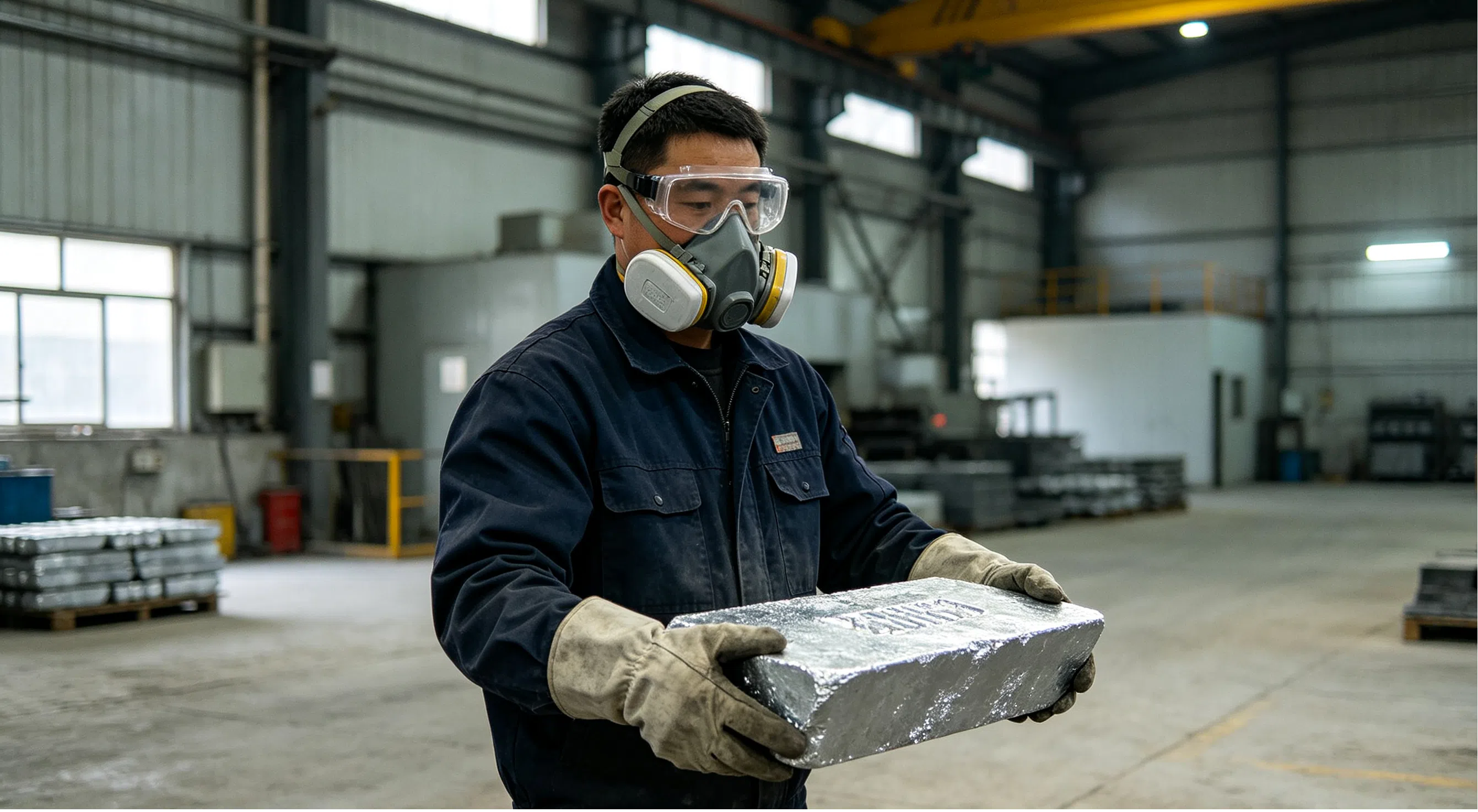
Manufactured by pyrometallurgical refining from primary ore, our antimony ingots feature low impurity content and uniform chemical composition with purity ≥99.90%. We cover four national‑standard grades Sb99.90, Sb99.70, Sb99.65 and Sb99.50, ranging from high‑end electronic grade to general industrial grade. We recommend optimal grade according to end‑use to avoid redundant or insufficient performance, and support diverse feeding‑form requirements.
Every batch undergoes dual inspection: on‑furnace assay plus finished‑product re‑check. Third‑party inspection upon customer receipt is acceptable. As direct source smelter, we offer competitive pricing and sufficient stock. Normal‑grade goods can be delivered within 3‑5 working days after order confirmation with stable lead‑time.
From engineering application perspective, our antimony shows outstanding melting performance. Melting point of 630.5 °C allows melting in conventional melting furnaces without high‑temperature special equipment, cutting capital investment for furnace upgrading. Material burning‑loss rate ≤ 1.2 %, minimizing raw‑material waste and boosting mass‑production efficiency for alloy manufacturing, supporting stable high‑capacity operation.
For comprehensive cost optimization, strict impurity control limits harmful elements entering alloy matrix, lowering rejection rate caused by cracking, composition deviation or performance failure during downstream alloy processing. It reduces time and material loss from rework and scrap. In addition, antimony exhibits excellent recycling compatibility with antimony‑bearing waste materials, with recycling rate > 97 %, extending material life cycle and enabling closed‑loop cost‑efficient production for end‑users.
Regarding processing adaptability, we supply ingot, lump and granular forms to match batch‑type melting furnaces as well as continuous automated alloy production lines. Among our offerings, 2‑8 mm antimony granules feature uniform particle size and good flowability, enlarging heating surface during feeding. They shorten melting time by 30 % for continuous alloy production lines, accelerating feeding rhythm and providing strong material guarantee for large‑scale uninterrupted modern alloy processing.
① Lead acid Battery Industry: Antimony lead alloys are used for battery grids and plates. Antimony greatly improves mechanical strength, casting performance and corrosion resistance of lead, extending service life of starter type and traction type lead acid batteries. It acts as a critical alloying element for lead acid batteries.
② Wear resistant Alloy & Bearing Industry: Used for tin base / lead base Babbitt bearing alloys to enhance wear resistance and compressive strength. Widely applied for shaft bushes and liners of heavy duty machinery such as steam turbines, electric motors and compressors, as well as wear resistant parts including gears, valves and pipe fittings.
③ Flame Retardant Industry: Antimony ingot is oxidized into antimony trioxide, working synergistically with bromine or chlorine based flame retardants. It is extensively used for flame retardant modification of plastics, rubber, textiles, electronic equipment housings, cables and construction materials, representing the largest downstream consumption field for antimony globally.
④ Printing & Special Solder Industry: Antimony is added to traditional type metal alloys to raise hardness and definition of printing characters. It is also used in special solder formulations to improve hardness and wear resistance of welding joints.
⑤ Military & Special purpose Materials: Applied for armor piercing projectile cores, ceramic additives for military bullet proof vests, military pyrotechnic compositions. Also used in enamel glazes, glass clarifiers and pigments (antimony yellow, antimony white).
⑥ Semiconductor & New energy Industry: High purity antimony is used for thermoelectric cooling (Peltier) devices, infrared optical components, semiconductor dopants, and R&D of negative electrode materials for new energy batteries.
⑦ Pharmaceutical Field: Antimony containing compounds have biological and medical applications. Antimonial agents were used as emetics; potassium antimonyl tartrate (tartar emetic) was historically applied for schistosomiasis treatment before being largely replaced by praziquantel. Antimony based compounds are also found in veterinary pharmaceuticals, e.g. lithium antimony thiomalate as skin conditioning agent for ruminants.
⑧ Electronic Materials: High purity antimony and antimony containing intermetallic compounds (indium antimony, silver antimony, gallium antimony) serve as ideal materials for semiconductors and thermoelectric devices. Antimony is used as n type dopant for high conductivity silicon wafers for diodes, infrared detectors and Hall effect components. Indium antimonide is key raw material for mid infrared detectors.
⑨ Other Applications: Antimony functions as stabilizer and catalyst for PET polymer production, as well as clarifier to eliminate micro bubbles in glass, especially for television display panels. Antimony trioxide is high quality white pigment, filler for enamel, ceramic and rubber, and common raw material for paint, glass, textile and chemical industries. It is also used for fire retardant coatings, synthetic fibers, construction materials, safety photographic films, high power circuit components, high temperature insulation materials and automotive interior parts. Crude antimony, with low ignition point, is an ingredient for detonators and safety matches, and for smoke generating agents. Antimony is used in bullets and tracer rounds. Antimony 124 mixed with beryllium works as neutron source. Antimony sulfides stabilize friction coefficient performance of automotive brake pad materials.
Full process production control is implemented in our factory. Chemical composition inspection is performed for every batch before delivery, and quality certificate document with official QC stamp is issued to guarantee compliance with contract requirements. For production site safety: Smelting, refining and ingot casting are carried out in fully enclosed equipment with waste gas, waste slag and waste water collection treatment systems to prevent uncontrolled emission of antimony dust and toxic fumes and avoid occupational exposure risk. Workshops are equipped with dust ventilation, cooling noise reduction and emergency protection facilities. Dust concentration, temperature and air quality are strictly controlled. Production and testing operators receive professional safety training and hold valid certificates. PPE including dust proof respirators, gloves, protective clothing and goggles are mandatory. Regular occupational health physical examinations and complete personnel safety files are maintained. Safety warning signs, emergency passages, emergency showers and eye wash stations are installed for accident response.Full traceability quality management system covers raw material incoming inspection, manufacturing, finished product testing and outbound delivery. Every process is documented. Non conforming products are strictly prohibited from shipment. Production complies with national environmental protection and work safety regulations with zero illegal discharge and zero safety hazards, satisfying industrial grade safety standards.
Standard solid antimony ingot is non volatile, non pyrophoric and non explosive under normal ambient conditions. It will not spontaneously generate toxic gas or dust and poses no acute immediate hazard. Strict control of arsenic, mercury, lead, cadmium and other toxic impurities keeps harmful element content far below industrial safety thresholds. Safe for routine industrial processing without hidden pollution risks. Antimony ingot is non corrosive and non radioactive and will not erode equipment and containers. It is classified as general cargo for transportation. Reinforced packaging prevents collision and loose packing during transit.
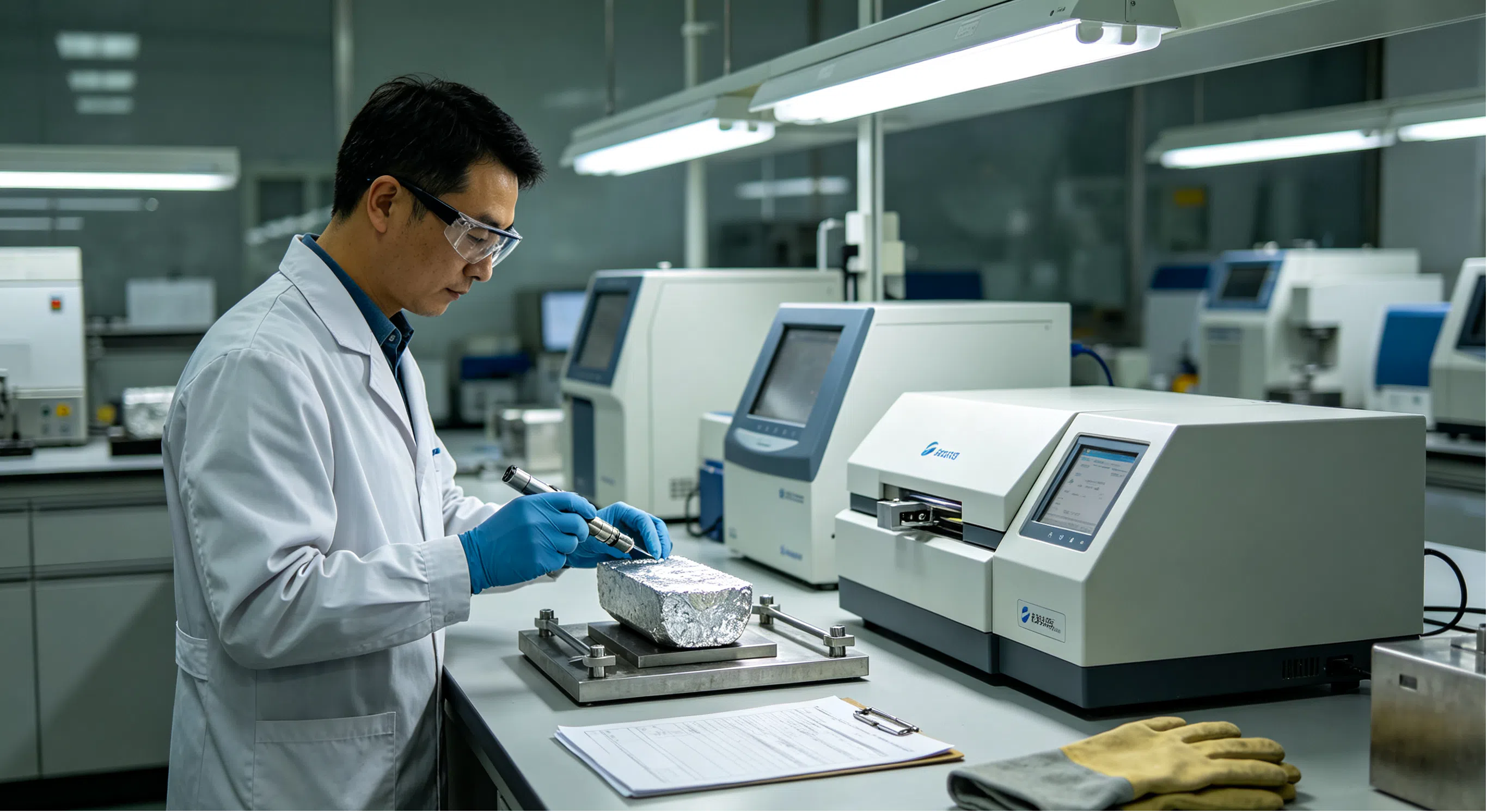
User- side operation & emergency notes: Melting and processing shall be performed in well ventilated enclosed equipment. Avoid direct contact with molten antimony liquid to prevent splash burns. Antimony dust and slag generated during processing shall be collected and disposed properly; random discharge is forbidden to avoid heavy metal contamination. Solid antimony ingot presents low risk under normal conditions; hazards only arise during high temperature processing. In case of skin / eye contact with antimony dust, rinse thoroughly with clean water. Seek medical treatment for splash burns from molten material. Waste slag and waste liquid shall be treated in accordance with hazardous waste regulations. Emergency response plans and regular drills are maintained for environmental protection and safety incidents.
Environmental‑protection compliance: Production meets national heavy‑metal pollution‑prevention standards and green‑manufacturing specifications. Energy consumption, water consumption and pollutant discharge per ton of product are within regulatory limits. High‑grade products satisfy EU RoHS and REACH requirements with restricted‑hazard‑substance compliance, supporting worldwide export for high‑end eco‑friendly industrial scenarios. Storage requirements: Store in dry and ventilated warehouse. Keep away from strong acids, strong alkalis and strong oxidants to avoid corrosion. Control antimony-dust hazards with local ventilation‑dust‑removal facilities in working areas.


