
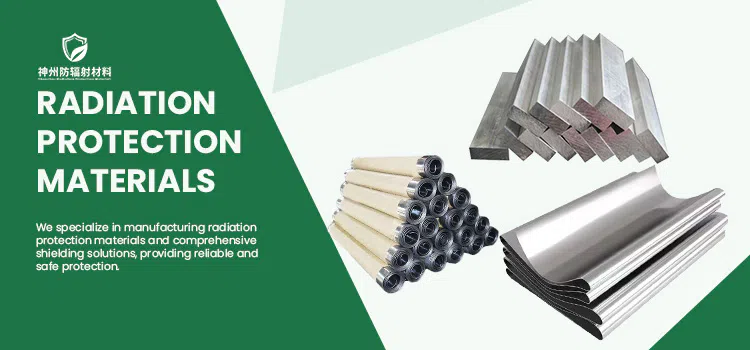
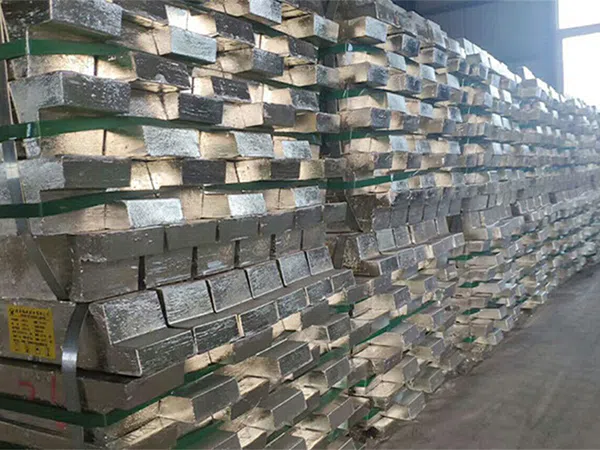
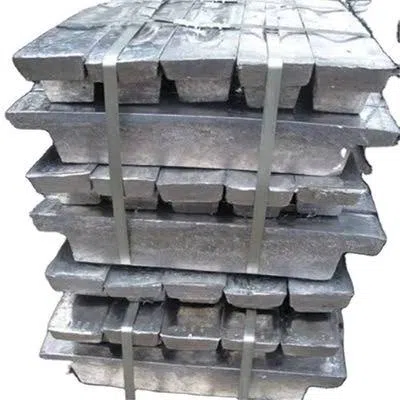
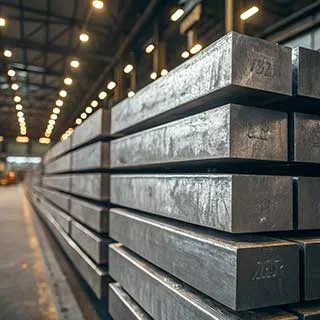
This is high‑purity refined tin ingot manufactured by advanced pyrometallurgical smelting and electrolytic refining. Silvery‑white metallic surface may develop pale‑yellow to silvery‑grey oxide film after long‑term storage. Soft and highly ductile, it can be directly rolled into tin foil or drawn into tin wire.
Standard T‑shape tin ingot with rectangular cross‑section, weight 25 kg ± 1.5 kg per ingot. Grade, batch number and manufacturer logo are stamped on ingot surface for traceability. Surface shall be clean, free of inclusions, cracks, obvious burrs, honeycomb pores and slag attachments; no foreign embedded impurities are allowed.
Surface appearance depends on casting temperature and impurity content. Lower casting temperature produces darker surface. Above 500 °C, the oxide film shows pearlescent luster. Minor impurities such as lead, arsenic and antimony alter surface crystal patterns and darken appearance. Tin is relatively soft with excellent malleability (second only to gold, silver and copper), and can be rolled into foil as thin as 0.004 mm, yet its drawability is poor and cannot be easily drawn into fine wire. When tin bars are bent, friction between grains produces a cracking‑like acoustic effect known as “tin cry”.
Under atmospheric pressure, tin exists in three allotropic forms: grey tin (α‑Sn), white tin (β‑Sn) and brittle tin (γ‑Sn). White tin is the common silvery‑white metallic form with tetragonal crystal structure and good malleability, higher density than grey tin. When heated above 161 °C, white tin transforms into orthorhombic brittle tin with poor ductility, which fractures easily under impact.
① Chemical Stability & Corrosion Resistance: Stable in dry ambient air; dense protective oxide layer forms on surface to retard further oxidation. Resistant to fresh water, distilled water and weak acid corrosion, making it core coating material for food grade tin plate steel. Reacts slowly with strong alkalis; soluble in hot concentrated hydrochloric acid, hot concentrated sulfuric acid and aqua regia. Tin coating isolates base metals (steel, copper) from air and moisture to provide long term protection, widely used for packaging, food cans, electrical terminals and corrosion sensitive components. Protection performance depends on coating quality; scratches, pores, insufficient coating thickness or strongly corrosive service environment will degrade anti corrosion performance. Material selection shall consider actual service conditions.
② Low Melting Point & Outstanding Solderability: Melting point 231.89 °C, core raw material for electronics soldering. Tin based solders feature good fluidity and wetting ability, high joint strength and good electrical conductivity. Lead free tin solders have become mainstream for global electronics manufacturing. Good wetting enables component joining without melting base substrates and greatly improves assembly productivity. Final solder joint quality is affected by alloy formula, flux selection, surface cleanliness, temperature profile and joint design; strict process control is essential during production.
③ Ductility & Machinability: Mohs hardness 1.5 2.0, extremely soft with excellent ductility. Can be rolled to foil thinner than 0.01 mm or drawn into fine tin wire, suitable for diverse deep processing workflows. Excellent formability facilitates rolling, cladding, low temperature casting and electroplating deposition. However, pure tin has low mechanical strength. Formability and structural load must be balanced for precision parts; soft tin material is prone to deformation under excessive assembly pressure, heavy load or repeated impact.
④ Electrical & Thermal Conductivity: Thermal conductivity 67 W/(m·K), resistivity 11 μΩ·cm. Good thermal electrical performance, important material for electronic component interconnection and heat dissipation parts.
⑤ Low Temperature Phase Transformation (Tin Pest): Below 13.2 °C, white tin (β Sn) slowly transforms into powdery brittle grey tin (α Sn) with approx. 27 % volume expansion, known as “tin pest”. Impurities bismuth and antimony can effectively suppress this phase change. Storage temperature for tin ingots is recommended above 15 °C.
⑥ Non toxicity & Food Contact Safety: Metallic tin is non toxic. Tin plating resists food acid corrosion and is widely adopted for food/beverage packaging (tinplate), tableware and food contact articles, complying with global food safety standards. Note: not all tin compounds or electroplating processes are food safe. For food, medical or consumer product components, verify material standards, plating quality and compliance documents prior to production.
⑦ Excellent Alloy Modifying Capacity: Tin can be alloyed with copper, silver, antimony, bismuth and other metals to flexibly tune alloy comprehensive properties. Added into copper to produce tin bronze, it significantly increases hardness and wear resistance. As bearing alloy constituent, it reduces friction coefficient and improves running conformability. Such alloying versatility makes tin irreplaceable in electronic solders, mechanical castings, anti corrosion coatings and advanced special material manufacturing.
① High purity Performance: Produced by electrolytic refining, our tin features ultra low impurities and uniform composition. For Sn99.99 high purity tin, lead content can be controlled below 0.0035 %, meeting strict requirements of high end electronic solder and semiconductor industries. Tin combines low melting point, soft texture, superior ductility, good corrosion resistance, moderate electrical conductivity, excellent solderability and powerful alloying capability. These comprehensive physical chemical properties support diverse downstream applications including electronics, anti corrosion coatings, precision soldering, special alloys and precision component manufacturing. Its silvery white appearance, density 7.31 g/cm³ and low melting point 231.9 °C enable easy low temperature melting. Tin based solder joins components without damaging adjacent materials. Compared with high temperature resistant metals, tin is easier to melt, cast, electroplate and alloy, simplifying factory processing.
② Complete Grade Portfolio: Five national standard grades Sn99.90A/AA, Sn99.95A/AA, Sn99.99A are available, covering general industrial, electronic grade and high purity grades. We recommend optimal grade according to end use to avoid performance surplus or insufficiency. Although tin is soft and ductile, pure tin has low mechanical strength and is unsuitable for heavy load, high stress or impact bearing structural parts. Alloying with other metals improves mechanical performance; tin bronze and bearing alloys are typical mature examples.
③ Customization Capability: Multiple forms are available: tin ingot, lump, granule, shot, rod and foil. Particle sizes can be adjusted per customer requirements to fit solder production, chemical feeding, electroplating anodes and other processes. Thanks to outstanding ductility and plasticity, tin can be processed into foil, long thin rods and other shapes with low cutting force. Nevertheless, overly soft pure tin may result in smearing, workpiece deformation and poor chip control under improper machining parameters. For CNC milling, turning or drilling of high tin soft materials, sharp cutting tools and reduced cutting force are required to avoid deformation. We select optimal product form according to downstream processing methods to lower customers’ finishing difficulty.
④ Quality Assurance: Manufactured in strict accordance with GB/T 728 2020. Each batch undergoes dual inspection: on furnace assay plus finished product re check, with composition deviation kept within national standard allowances. Third party inspection upon receipt is acceptable. Strict impurity control guarantees stable solderability, electrical performance and corrosion resistance. For coating applications, tin reliably protects base steel or copper from oxidation. For electronic solder applications, it secures long term reliable electrical interconnection and minimizes risks such as oxidation, coating peeling and component failure, securing end product quality for downstream manufacturers.
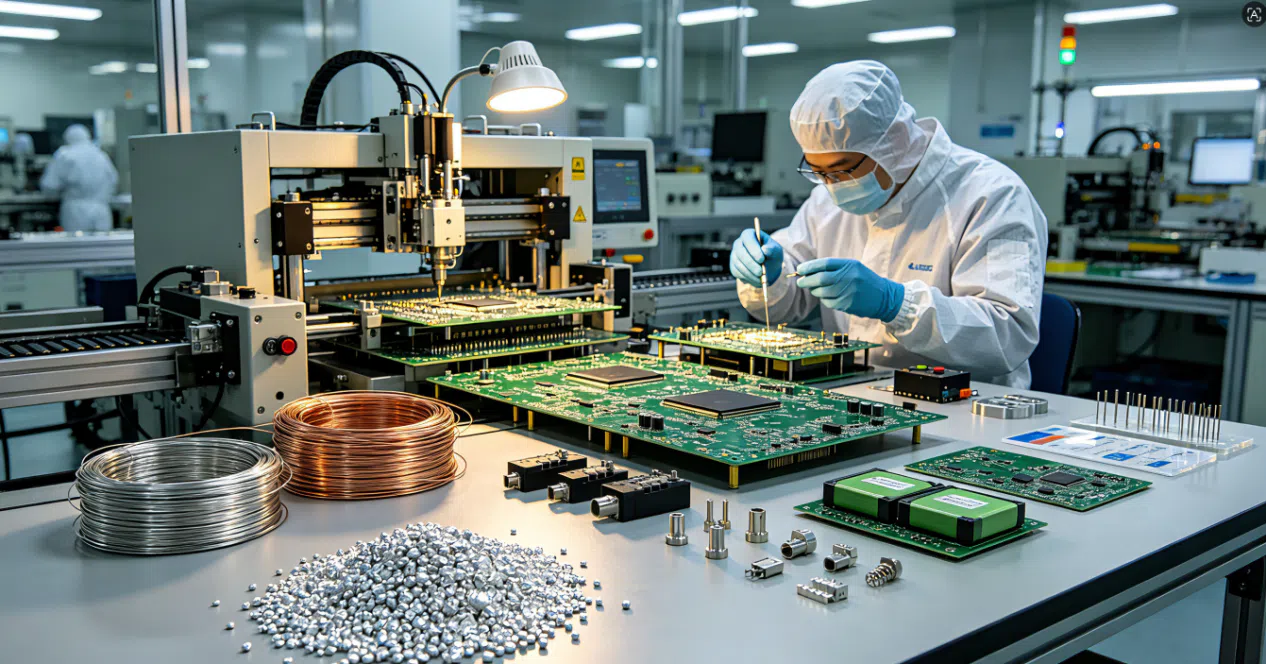
① Electronic Soldering Industry: Tin is a fundamental raw‑material for electronics manufacturing for solder bars, solder wires, solder paste and various lead‑free solders. Widely used for PCB soldering, electronic‑component assembly and SMT surface‑mount processes. Low‑lead AA‑grade tin is mainstream for lead‑free solders; Sn99.99 high‑purity tin is used for high‑end chip packaging and precision electronic devices.
② Tin‑plating Industry: Tin‑plated steel sheet (tinplate) represents one of tin’s largest downstream markets. Tin coating combines corrosion resistance and food‑contact safety for food‑beverage cans and chemical drums. Tin‑plated copper wire improves oxidation resistance and solderability for electronic wiring harnesses and transformer windings.
③ Alloy Manufacturing: Used to produce tin‑base Babbitt bearing alloys, brass and tin bronze to enhance wear‑resistance, friction‑reduction and casting performance. Widely applied for shaft liners of heavy‑duty machinery including steam turbines, electric motors and compressors, as well as wear‑resistant parts such as gears, valves and pipe fittings.
④ Float‑glass Industry: Molten tin acts as irreplaceable liquid flotation medium for float‑glass production; molten glass floats on liquid‑tin bath to form flat smooth glass sheets, a global mainstream process for flat glass requiring high‑purity tin feedstock.
⑤ Chemical Industry: Raw material for tin oxide, stannates and organotin compounds, applied in ceramic glazes, enamels, glass clarifiers, PVC thermal stabilizers, catalysts and flame‑retardant materials.
⑥ High‑purity & New‑energy Sector: Sn99.99 high‑purity tin is used for semiconductor doping, superconducting materials, infrared optical devices and scientific research. In new‑energy field, tin‑based alloys are important research candidates for lithium‑ion‑battery anode materials; Sn‑Ag‑Cu lead‑free solder is core material for photovoltaic‑module welding.
⑦ Automotive Components: Tin is applied in automotive parts in forms of solder, electroplated coating and copper alloys. It improves electrical reliability, corrosion‑resistance and wear‑resistance for specific systems. Automotive electronics rely on solder joints, terminals, connectors, sensors and control modules. Tin coating protects electrical contact surfaces and enhances solderability.
⑧ Robotics & Automation: Main applications include solders, electrical contacts, connectors, plated components and tin‑containing alloys. Such systems demand stable electrical and mechanical performance. Robots and automation equipment depend on sensors, controllers, motors, wiring and signal interconnections. Tin‑based solders and tin‑plated contacts enable reliable electrical assembly.
⑨ Renewable Energy & Advanced Materials: Broad applications cover soldering, coatings, battery R&D, solar‑energy technology and special‑compound production. Its low melting point and good electronic compatibility make tin vital for many energy‑related systems.
Solid tin ingot is stable under ambient conditions, non pyrophoric and non explosive with no acute toxicity. Strict safety management is required during melting and processing. When handling high temperature molten tin, operators shall wear high temperature resistant gloves, face shields and heat insulating workwear to prevent thermal burns and metal splash injuries. Water, oil and foreign impurities must be kept away from molten tin to avoid splashing and explosion hazards. Production workshops shall be well ventilated; trace metallic fumes from tin melting shall be collected by professional dust extraction systems to prevent respiratory harm. Operators shall wear dust proof respirators and implement regular occupational health checks. Production equipment shall be earthed for anti static protection; fire proof, heat insulation and emergency cooling facilities shall be available to eliminate high temperature operation risks. Every batch undergoes strict chemical composition testing before delivery, with QC stamped quality certificate issued to guarantee compliance with contract requirements and GB/T 728 2020. Third party inspection after arrival is supported; liabilities will be undertaken for non compliant composition, eliminating procurement risks for customers.
Tin powder presents dust explosion hazard; local ventilation dust removal facilities shall be installed at work sites. Store in dry and ventilated warehouses, storage temperature preferably above 15 °C to avoid tin pest powdering risk below 13.2 °C. Keep away from strong acids, strong alkalis and strong oxidants; do not co store with corrosive chemicals. Stack different batch ingots separately for FIFO inventory management. In case of molten tin burn: move away from heat source immediately, cool, disinfect and dress the wound; seek urgent medical treatment for severe injuries. If metallic tin dust inhalation causes discomfort, move to open air ventilated area and breathe fresh air; seek medical help if symptoms persist. Heavily oxidized or contaminated tin ingots in warehouse or transit shall be quarantined, quality tested and sorted; shall not be mixed with qualified stock. In case of cargo collapse or falling down accident, eliminate site hazards before cleaning to avoid secondary injury.


