
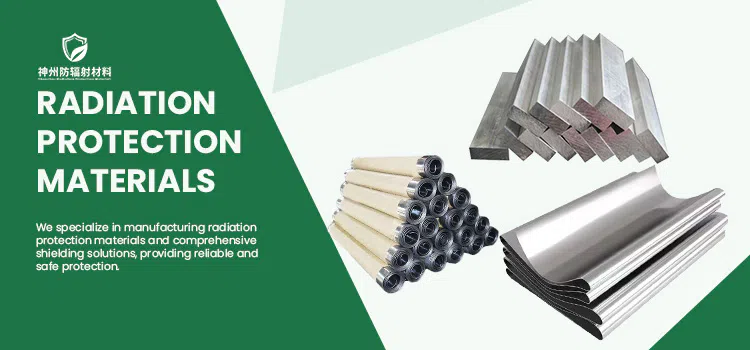
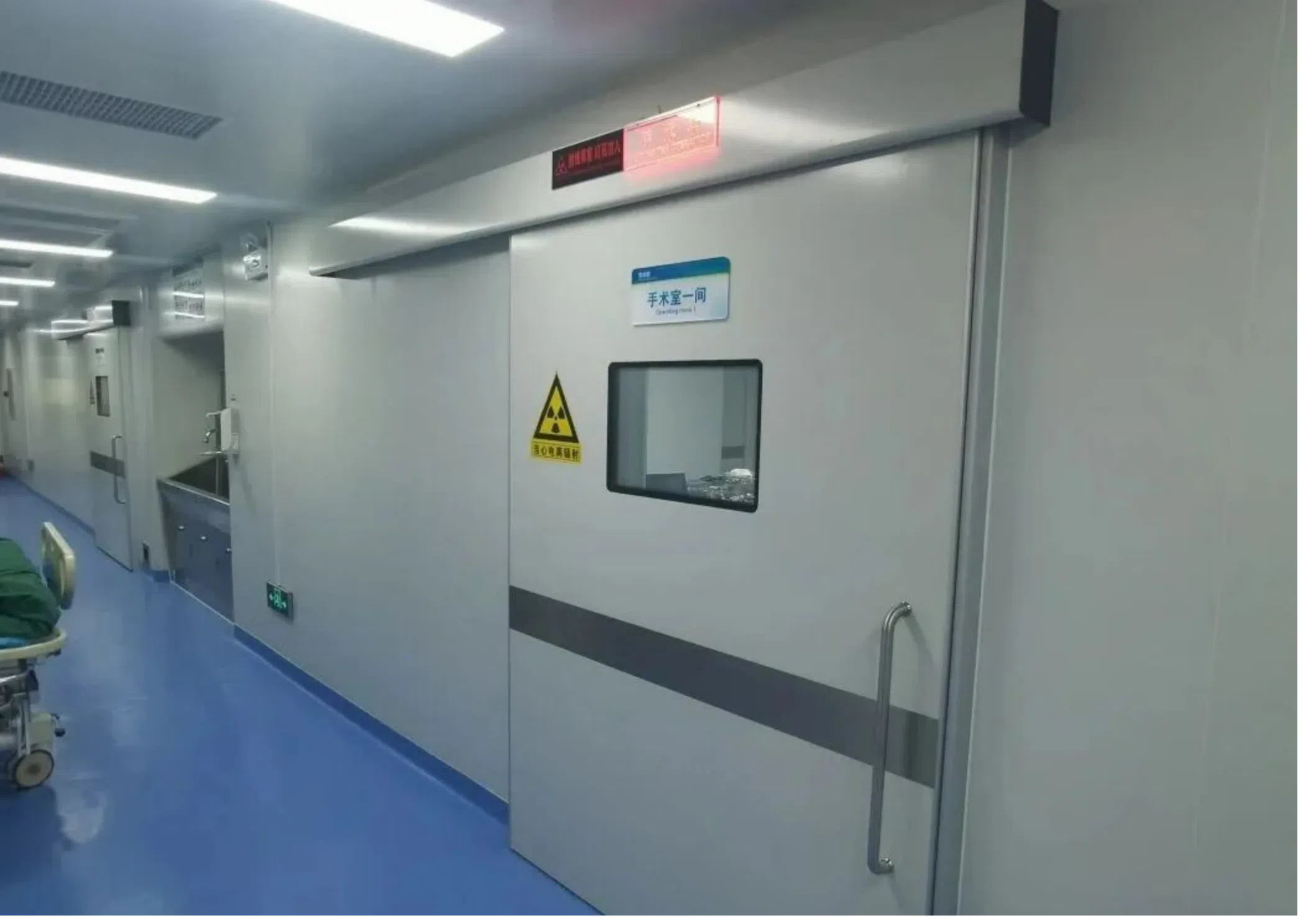
In settings such as hospital CT suites, industrial flaw-detection workshops, and scientific research laboratories, radiation-shielding lead doors serve as an indispensable "safety barrier." While many recognize their radiation-blocking capabilities, they often lack an understanding of the underlying principles, making them susceptible to being misled by a single factor during the selection process. Here, we break down the core principles and key selection criteria to help you precisely match the product to your safety requirements.
1、 Core Principle: It’s Not Just About “Lead”
The core principle of radiation protection is blocking ionizing radiation; the shielding capability of lead doors relies on a dual-layer approach:
Unique properties of lead: With its high density and high atomic number, lead efficiently absorbs radiation energy; as radiation strikes lead atoms, its energy is progressively dissipated, preventing penetration.
Composite structural design: The door assembly is not made of pure lead but rather a combination of a lead sheet and an outer substrate; the thickness of the lead sheet determines the protection level, while the outer layer ensures durability and compatibility.
Supplementary sealing: Lead-rubber seals are installed on both the door and the frame, ensuring a seamless fit when closed to prevent radiation leakage.
2. Selection Logic: Precisely Avoiding Pitfalls Based on Key Dimensions
1. Protection Level: Match specifications to radiation intensity based on "lead equivalent"
Lead equivalent (mmPb) is the key metric, representing the door's radiation-blocking capability:
Tip: Avoid blindly opting for excessively high lead equivalents; doing so increases door weight and cost while compromising ease of operation.
2. Application Matching: Select door types and functions based on specific needs
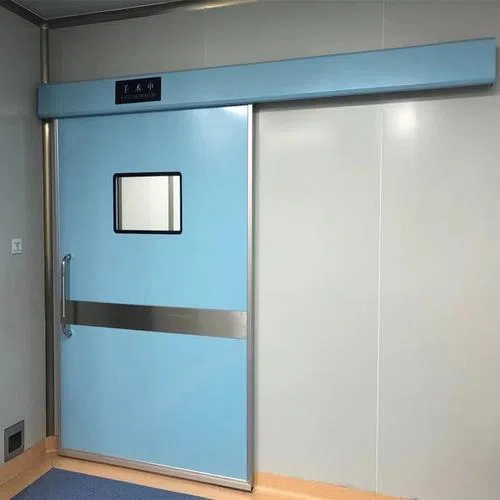
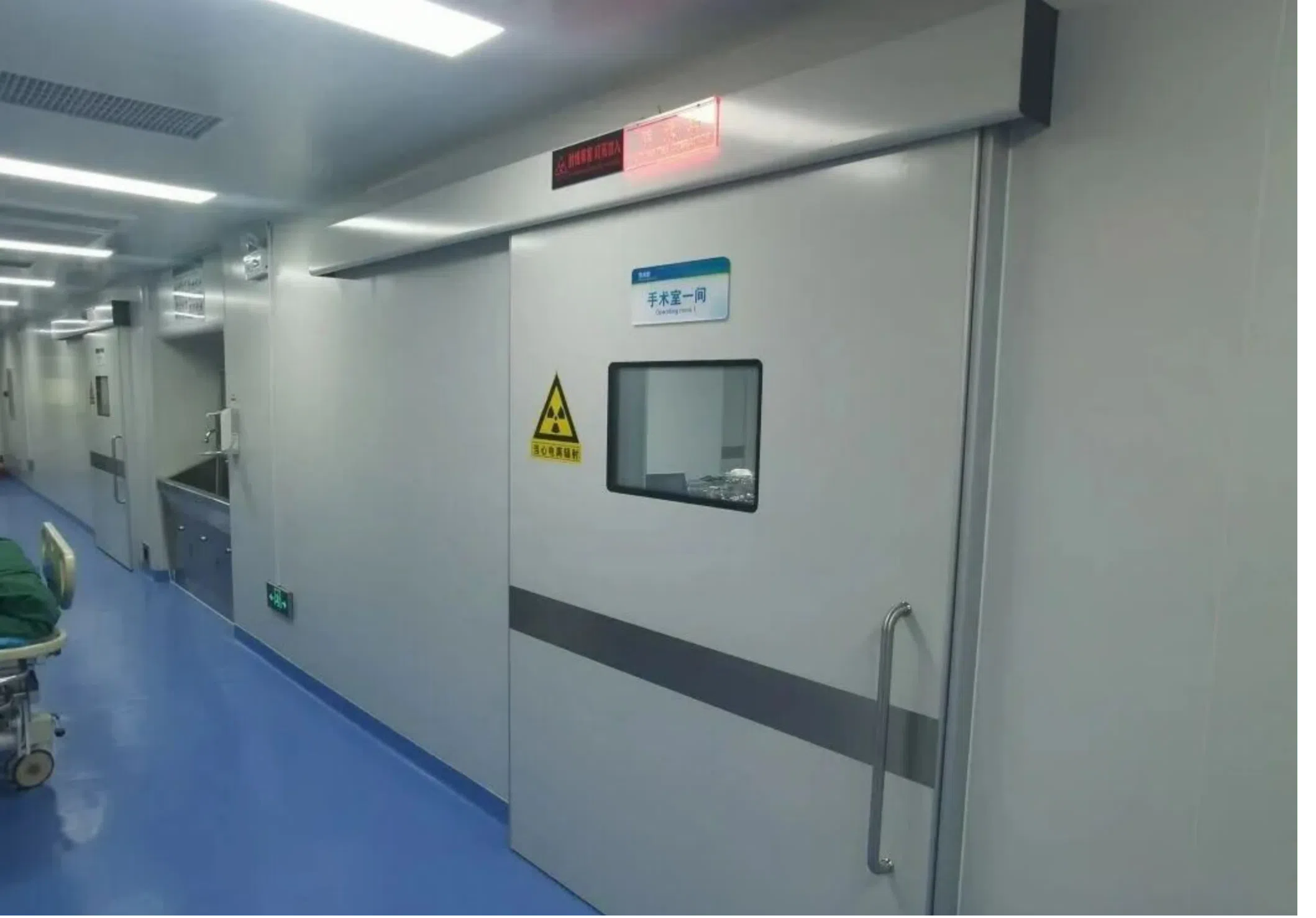
Medical settings (hospitals, health check-up centers): Prioritize automatic doors (sensor- or foot-operated) with anti-pinch features; stainless steel construction facilitates easy cleaning and disinfection.
Industrial settings (non-destructive testing workshops, nuclear industry zones): Heavy-duty manual doors or electric sliding doors; reinforced for durability, with options for interlocking systems (preventing equipment startup unless the door is fully closed).
Laboratory settings: Small manual doors or lightweight automatic doors; prioritize airtightness and quiet operation.
3. Verify Compliance: Complete Documentation is the Baseline
A "Radiation Protection Equipment Test Report" is mandatory, clearly specifying metrics such as lead equivalence and leakage dosage.
The door unit must be labeled with details including lead equivalence, manufacturer, and test date; reject any "three-no" products (products lacking a manufacturer name, address, or quality certificate).
4. Focus on Materials and Craftsmanship: Key to Durability and Protective Stability
Lead Sheet: Select high-purity, premium-quality lead sheets free from impurities and air bubbles.
Composite Construction: Ensure the lead sheet is securely bonded to the outer substrate, eliminating the risk of loosening or detachment.
Hardware: Equip heavy-duty doors with high-load-bearing hinges and locks; for automatic doors, select branded motors to ensure smooth operation and a long service life.
3.Tips for Avoiding Pitfalls in Product Selection
Focus on "Lead Equivalent" rather than "Lead Content": Measured lead equivalent is the true indicator of protective performance.
Prioritize "Compliance" over "Low Price": Only products with complete credentials and verified test results are trustworthy.
Base choices on "Usage Scenarios" rather than "Past Experience": Requirements vary significantly across medical, industrial, and laboratory settings; selecting based on specific needs is the most rational approach.


