
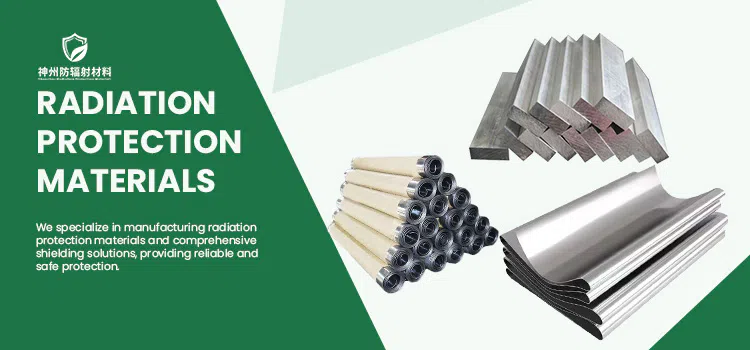
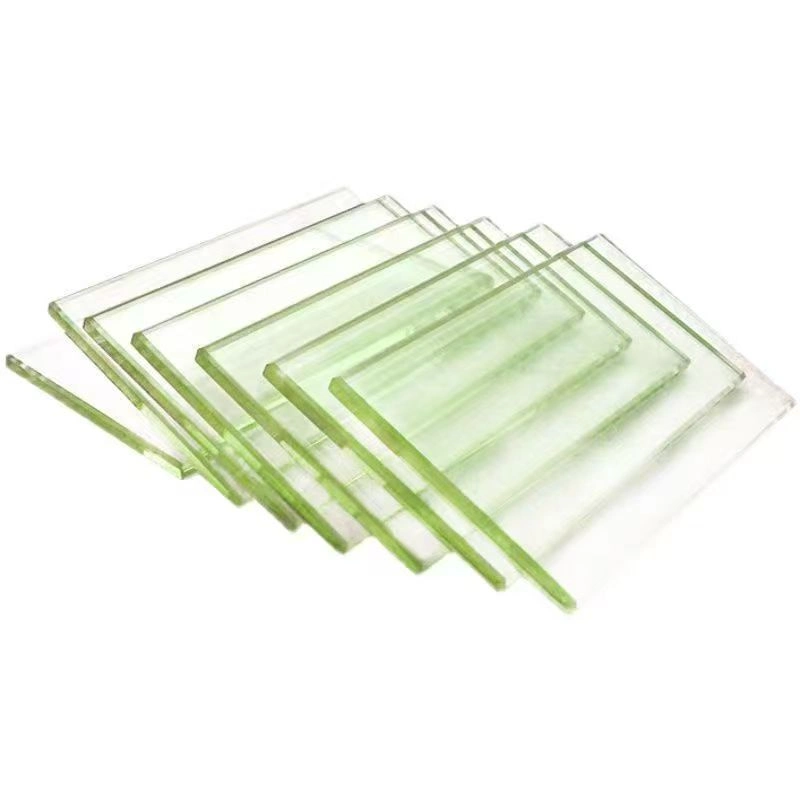
This specialized X-rayradiation shielding glass gains robust radiation attenuation capacity thanks to its abundant lead oxide composition ranging from 20% to 70%. The material boasts a density between 4.8 g/cm³ and 6.2 g/cm³, roughly double the density value of conventional flat glass. The radiation blocking capability originates from photoelectric interaction and Compton scattering generated inside lead atoms; when the panel thickness reaches 5 mm, it can intercept more than 90% of low-energy X and gamma rays below or equal to 100kV. Apart from reliable radiation resistance, the material maintains favorable optical characteristics: visible light transmittance surpasses 85%, while optical distortion stays under 5%. An anti-reflective coating is optional on its exterior surface to weaken light reflection and dazzling glare, allowing operators to carry out clear, undistorted continuous viewing amid radiation exposure scenarios.
Core applicable fields and matched technical proposals
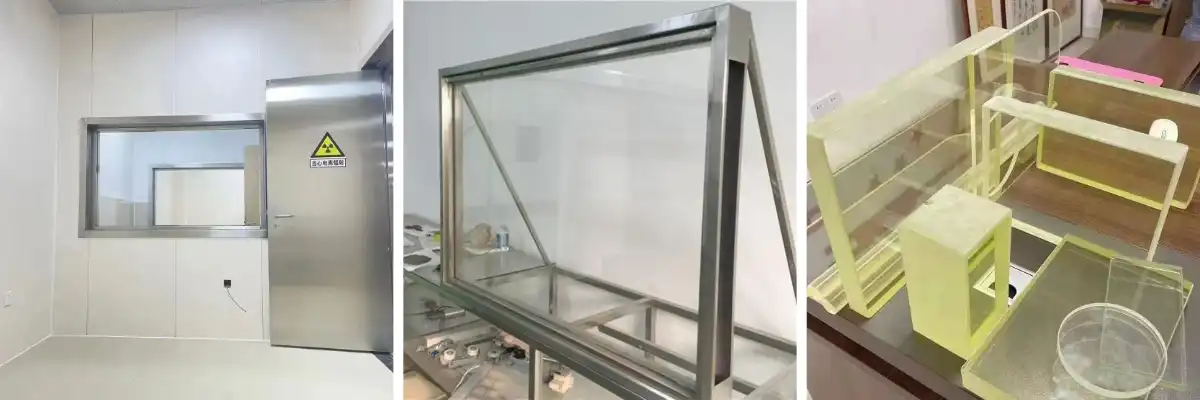
For observation windows deployed in interventional surgery rooms: Walls fitted with 15–20 mm inlaid lead glass are adopted, which can achieve a shielding effectiveness of no less than 99% against scattered radiation generated under 120kV working condition.
For CT and MRI control areas: Arc-shaped lead glass viewing panels with lead equivalent ranging from 0.5 mmPb to 1.0 mmPb comply with the domestic radiation protection specification for control rooms GBZ 130-2020.
For nuclear pharmacy dispensing stations: Specially designed lead glass shielding hoods come with built-in openings for manipulator operation. Such design keeps the surface dose rate below 2μSv/h and provides reliable isolation against beta and gamma rays.
For movable radiation shielding during DR examinations: Height-adjustable lead glass barriers with a regular dimension of 60cm×120cm can cut down radiation exposure at the operator station by up to 90%.
For veterinary radiotherapy treatment environments: Cabin doors constructed by multi-layer composite explosion-resistant lead glass can simultaneously satisfy the needs for monitoring animal activities and delivering dependable radiation safety defense.

Sophisticated production technology
Smelting and forming procedure: Raw materials including lead oxide and silicate substances undergo melting treatment under vacuum conditions at 1200℃. This method removes internal air bubbles and guarantees even distribution of all components inside the material.
Reinforcement finishing: Special surface toughening treatment raises the hardness up to Mohs scale 4.5. An additional polyurethane covering layer is applied on the exterior to greatly improve the capability against surface abrasion.
Integrated structural solutions:
Sandwich layered construction: Lead glass panels are combined with polyethylene anti-shock layers, delivering impact resistance exceeding 50J.
Curved shaping technology: Thermal bending techniques enable the fabrication of curved components with an angle within 150°, perfectly matching the installation requirements of arched viewing windows applied in DSA operating rooms and similar facilities.
Merits against conventional radiation shielding materials
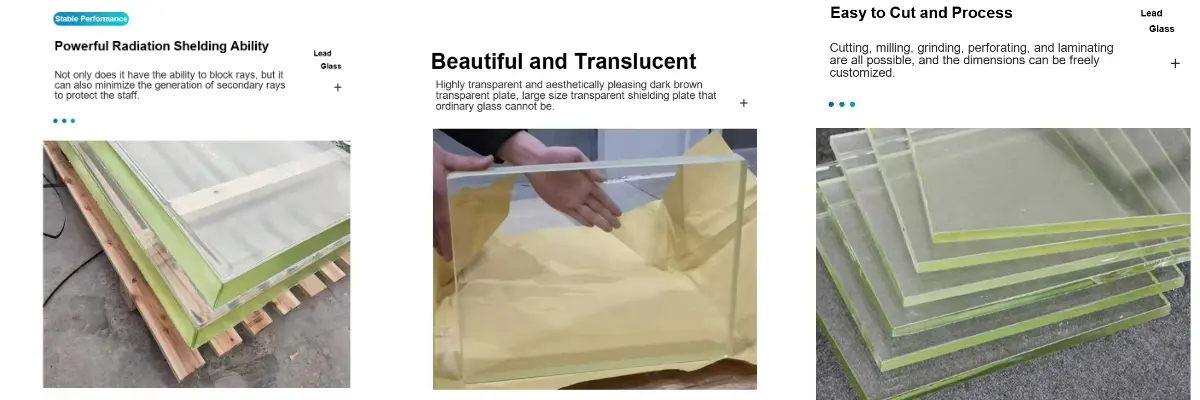
Innovative visual performance: It overcomes the prominent drawback that concrete barriers and lead sheets fully obstruct sightlines, making real-time direct observation of the working zone achievable.
Optimized space utilization: When providing identical radiation shielding capability, its thickness can be reduced by 60% in contrast to concrete partitions, which helps save valuable space inside medical facilities.
Versatile mounting options: It is compatible with various installation approaches including recessed assembly, movable setup and suspended mounting. It is significantly easier to reconstruct than permanently fixed lead sheets.
Favorable long-term cost performance: The service life can exceed 20 years without routine maintenance. In contrast, lead sheets demand periodic anti-corrosion and anti-oxidation processing.
Guidelines for operation and daily upkeep
Rules for surface cleaning: Cleaning agents containing hydrofluoric acid or potent alkaline substances are forbidden, as these substances will erode the internal reticular framework of the glass. Wiping with neutral liquid detergent is highly advised.
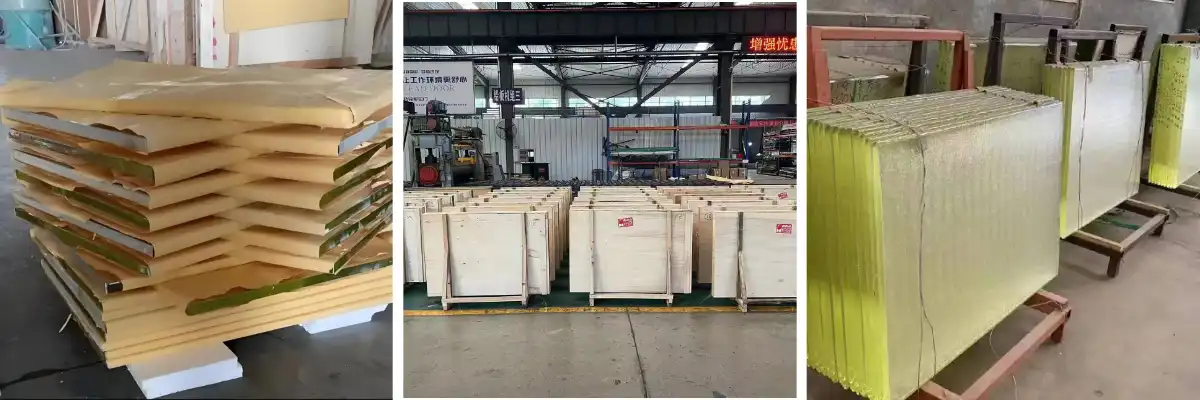
Protection against mechanical damage: Corner protection with wooden brackets shall be adopted throughout shipment and on-site installation. This arrangement can stop tiny fissures generated from impact and bumping.
Regular performance inspection: Operators should test the radiation attenuation efficiency and visible light transmittance at two-year intervals. Once the transmittance value decreases by more than 10%, the lead glass panel shall be renewed.
Closing remarks: The core innovative advantage of lead radiation shielding glass lies in “visible shielding”, which perfectly combines radiation attenuation capacity and continuous on-site viewing. Featuring flexible personalized customization covering thickness, radian and laminated layout, stable physical properties and extended service cycle, this material acts as an indispensable shielding part. It is widely applied in high-risk working environments including contemporary radiological diagnosis & therapy and nuclear-related industries, effectively elevating safety standards and operational productivity for practitioners.


