
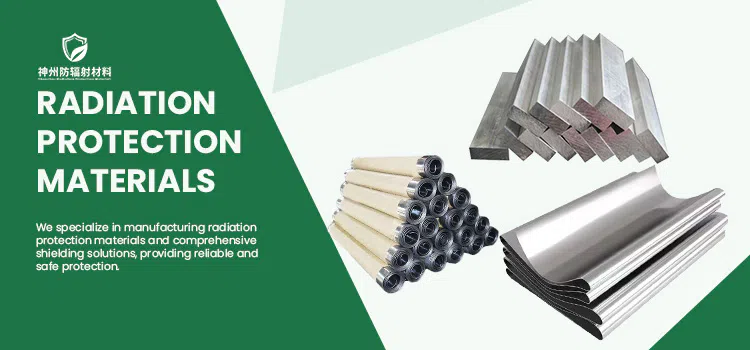
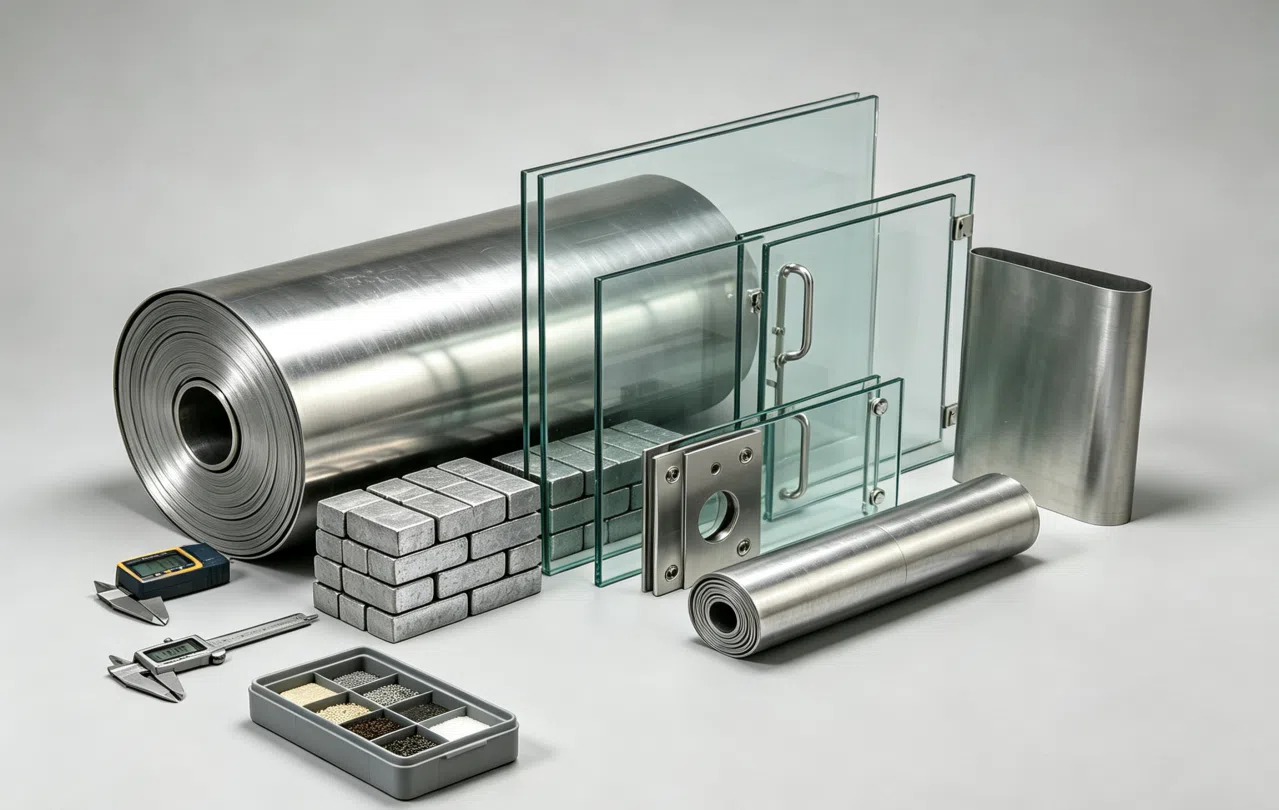
Most contractors working in medical construction already understand that x-ray rooms must be built with precision. The challenge is not awareness, but consistency. You know the project needs lead lined drywall, sheet lead, proper overlaps, and matched door and window assemblies. What you may not always have is a clear pathway to ensure that everything works together as one compliant shielding system.
Radiation inspection failures almost always come from mismatched components, missing details, and materials that do not meet the exact lead shielding required by the physicist. These issues can be avoided with early planning and with a supplier who provides verified shielding systems designed to pass inspection the first time.
1.Begin With a Complete Shielding Package
Many inspection failures come from mixing products from different sources. Lead glass from one supplier, drywall from another, and a nonrated door assembly from a third vendor can create mismatched lead equivalency. Even small differences in thickness can lead to inadequate shielding during a test.
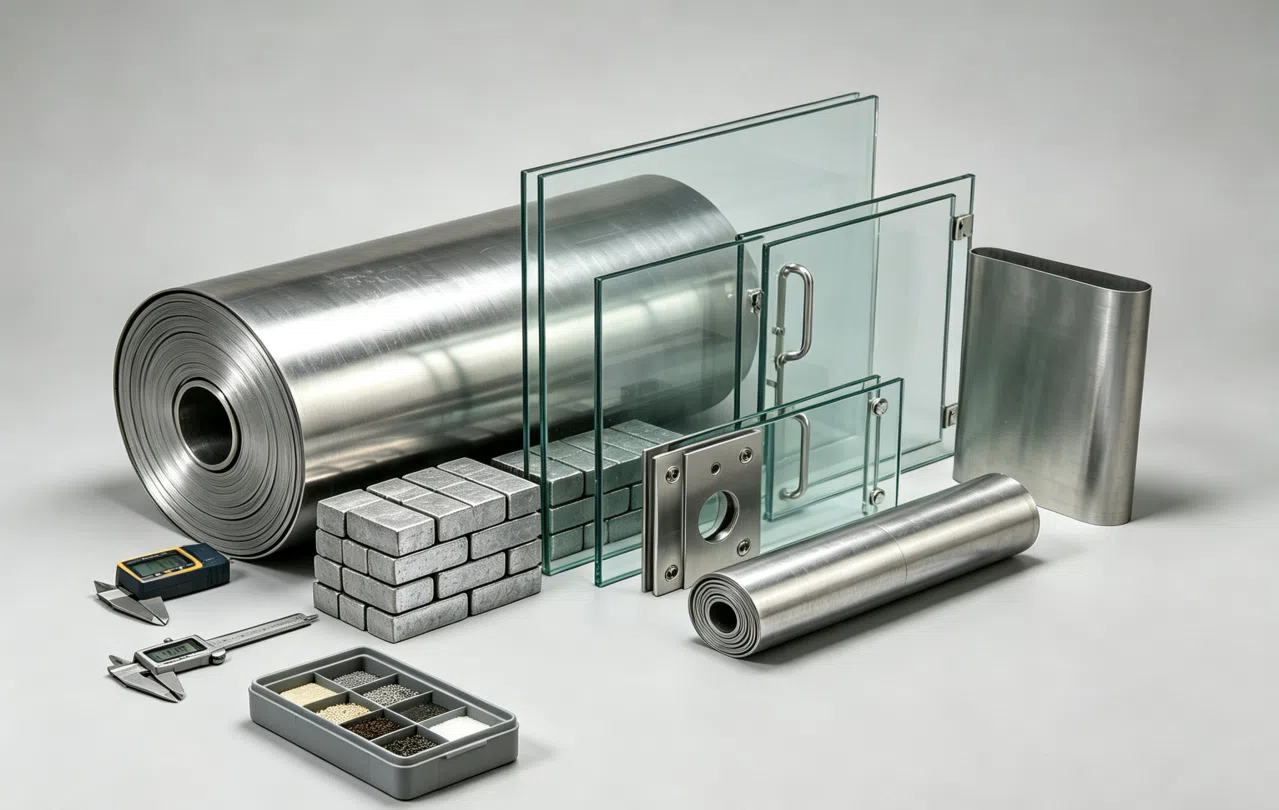
A complete shielding package from one specialist supplier ensures that: Every component matches the required shielding. Doors, frames, and glass are manufactured to work as a single system. Shop drawings, certificates, and documentation align with the shielding report. This reduces material conflicts and gives inspectors what they expect to see: consistency and clear traceability.
2.Confirm Lead Shielding Before Installation
Most contractors already understand that radiation shielding must meet a specific thickness. The solution aware step is to rely on products that have verified lead shielding effectiveness backed by testing and documentation.
Using verified materials avoids: Guesswork around ordering, Delays caused by swapping incorrect materials, Disputes between project teams during inspection. When drywall, sheet lead, doors, and glass all carry matching ratings, the shielding envelope remains consistent.
3.Follow System Based Installation Drawings
A complete shielding system always comes with installation drawings, which include overlap, staggering, and penetration details. Instead of relying on general drywall practices, contractors can follow: Exact seam overlap instructions, Framing requirements, Joint staggering diagrams, Door and window opening prep, Backing plate locations.
These system drawings reduce uncertainty and help ensure that the finished room matches the physicist’s expectations.
4.Work With a Supplier Focused on Medical Construction
The most reliable way to avoid unnecessary rework is to work directly with a supplier that specialises in radiation shielding. A knowledgeable supplier provides value beyond materials, including: Design and planning guidance, Verified lead equivalency, Matching door and glass systems, Consistent product ratings, Coordinated deliveries, Support during inspection
This level of support helps contractors avoid common mistakes and complete projects with confidence.
5.Build a Shielding Envelope That Works as One System
Passing a radiation inspection is much easier when the entire room is built as a unified system instead of a collection of separate components. A system-based approach ensures that: Walls, doors, and windows all meet the same rating, Penetrations are shielded before they are installed, Seams and overlaps are consistent, The shielding envelope matches the physicist’s report, All products are tested and verified.
This reduces the chance of surprises during inspection and protects your timeline and budget.


