
Radiation shielding plays a critical role in the construction of medical imaging environments such as X-ray, CT, and fluoroscopy rooms. While most contractors are familiar with the fundamental requirements—lead-lined drywall, sheet lead, and rated door and window assemblies—inspection failures still occur. These failures are rarely caused by a lack of knowledge, but rather by inconsistencies between materials, missing details, or incomplete system coordination.
A system-based shielding strategy, supported by verified components and clear documentation, significantly reduces the likelihood of inspection issues. By treating radiation shielding as a fully integrated system instead of a collection of individual products, contractors can achieve more predictable and compliant outcomes.
1.Coordinate Penetrations and Backing at an Early Stage
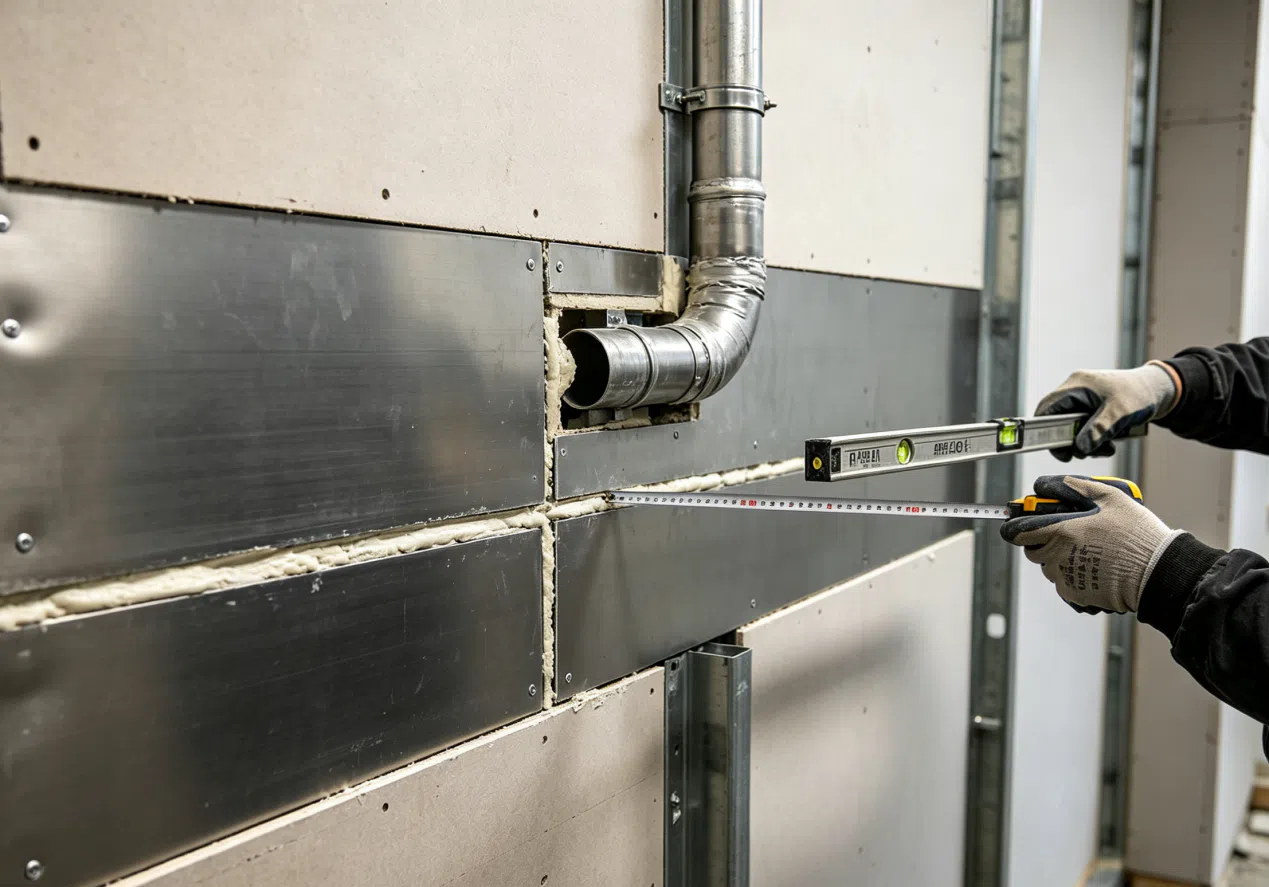
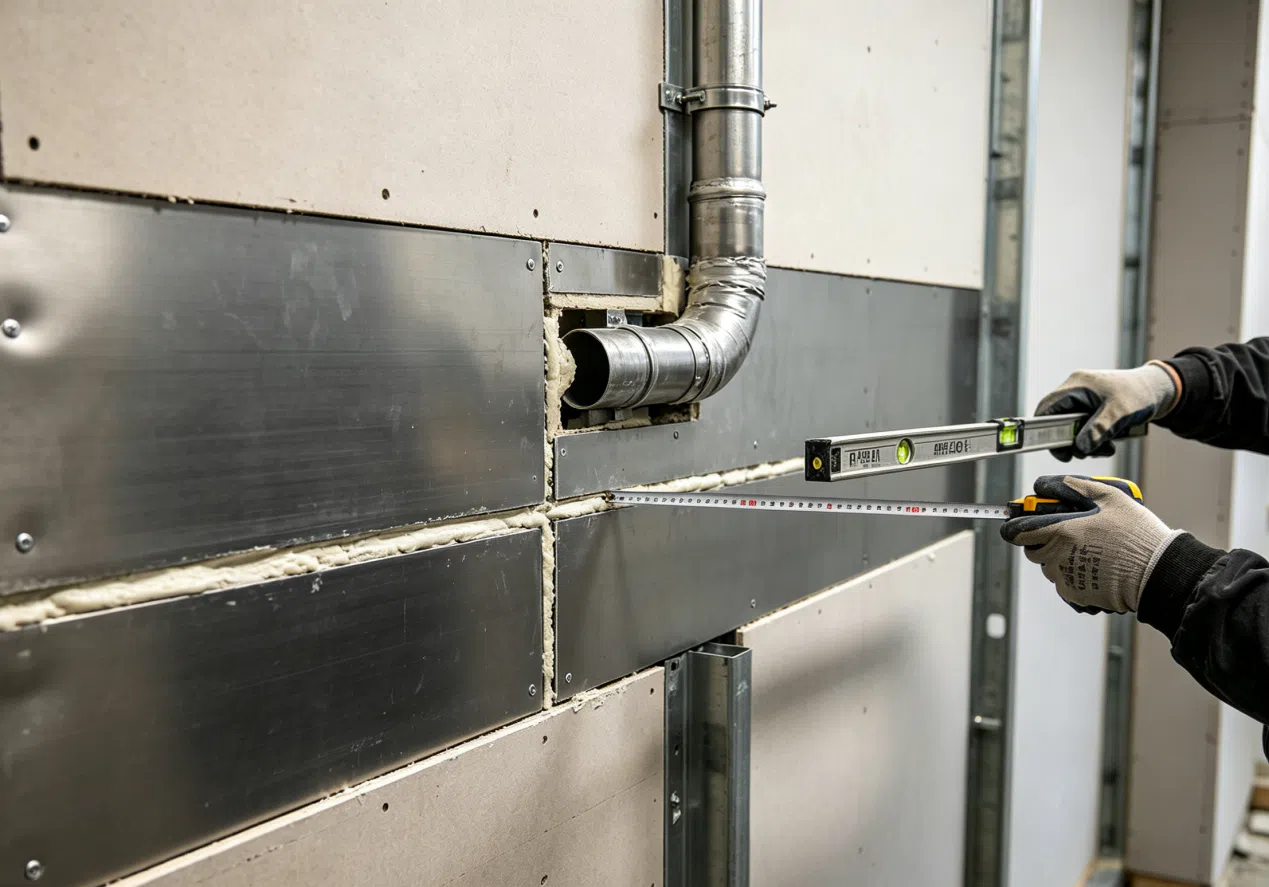
Penetrations for electrical, mechanical, and medical equipment can compromise shielding if they are not addressed early in the design and construction process. Effective planning includes the use of pre-shielded accessories and consistent detailing.
Common solutions include: Lead-backed electrical boxes: Maintains shielding continuity at wall penetrations; Shielded backing plates: Supports wall-mounted medical equipment without reducing protection; Coordinated transition details: Ensures continuous shielding across walls, ceilings, and floors; Early coordination reduces the need for on-site modifications that can introduce gaps or misalignment.
2.Prepare Documentation for Inspection
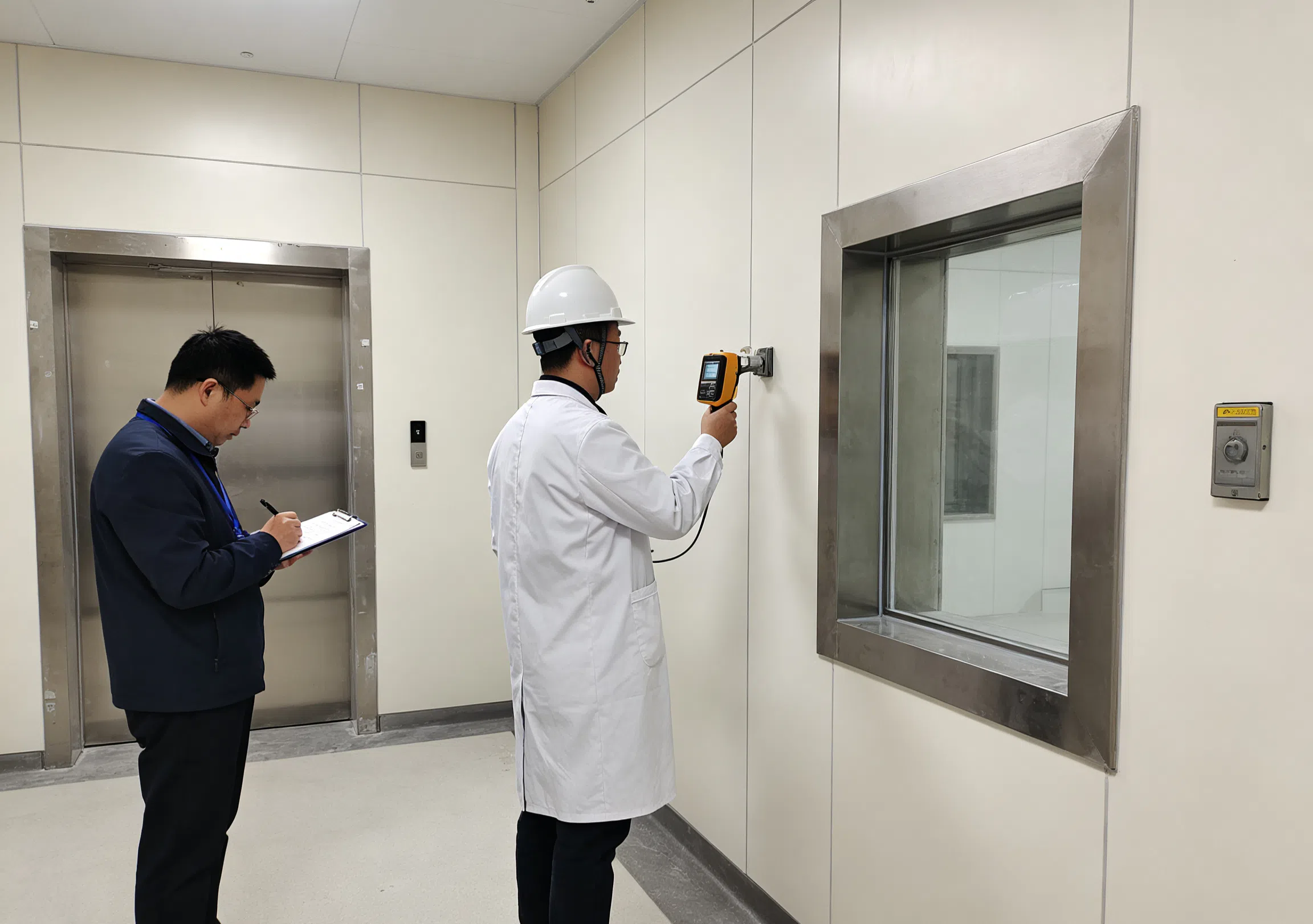
Radiation inspections rely heavily on documentation. Inspectors typically expect a complete and organized package that verifies material performance and installation accuracy.
Required documentation often includes: Material certificates and product data sheets, Lead shielding verification, Approved shop drawings, Installation sign-offs, References to the shielding report.
When shielding systems are supplied as a coordinated package, this documentation is typically provided in a consistent and inspection-ready format.
3.Partner With a Radiation Shielding Specialist
Working with a supplier focused exclusively on medical radiation shielding provides advantages beyond product supply. Specialist providers support contractors throughout the project lifecycle, from planning through inspection.
Support services may include: Design coordination and planning assistance, Verified lead equivalency across all components, Integrated door and glazing systems, Coordinated deliveries and technical support, Assistance during inspection and closeout. This level of coordination helps reduce rework, control costs, and protect project schedules.
4.A System-Based Approach to Inspection Success
Radiation inspection success is significantly more achievable when shielding is treated as a complete, unified system. When walls, doors, windows, penetrations, and documentation are aligned with the same verified standard, inspection outcomes become more predictable.
A coordinated shielding approach ensures that: All assemblies meet the required radiation rating, Penetrations are shielded before installation, Seams and overlaps are installed consistently, The finished room aligns with the physicist’s report. By reducing uncertainty and eliminating mismatched components, contractors can deliver compliant medical imaging rooms with fewer delays and less risk.


