
Core Properties & How Shielding Works
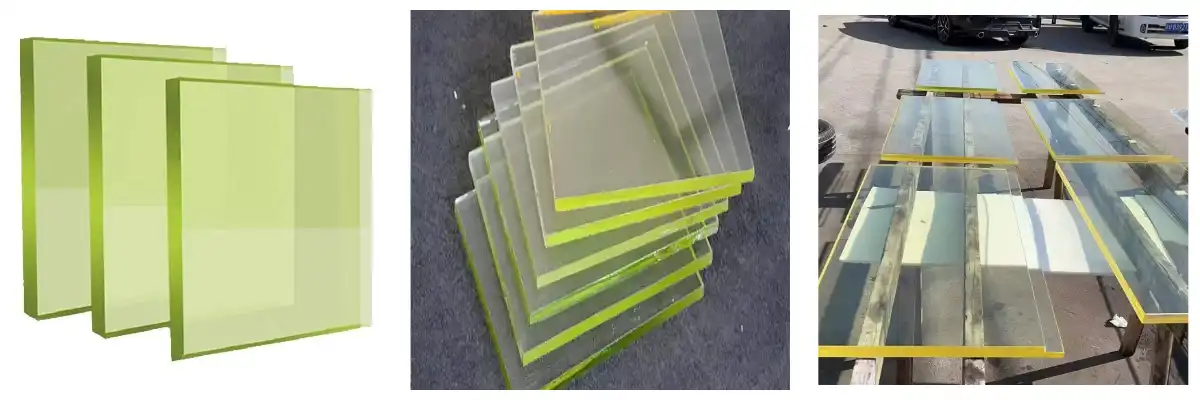
Our protective lead glass achieves reliable ionizing‑ray attenuation thanks to uniformly distributed lead‑oxide components ranging 20 %‑70 %, delivering a density of 4.8‑6.2 g/cm³ — roughly twice the density of conventional architectural glass.
Radiation energy gets dissipated via photoelectric absorption and Compton scattering triggered by internal lead atoms. A 5 mm sheet can block more than 90 % of low‑energy X‑rays and gamma‑rays (≤100 kV). Besides shielding capability, it maintains premium optical performance: light transmittance exceeds 85 % while image‑distortion stays under 5 %. An optional anti‑reflective surface coating can mitigate surface glare, granting crisp, undistorted visual monitoring inside radiation‑exposed workspaces.
Application Cases & Matching Technical Solutions
Observation Windows for Interventional Cath Labs:
Embedded 15‑20 mm thick lead‑glass assemblies achieve ≥99 % attenuation for scattered radiation generated at 120 kV.
CT & Radiology Control Rooms:
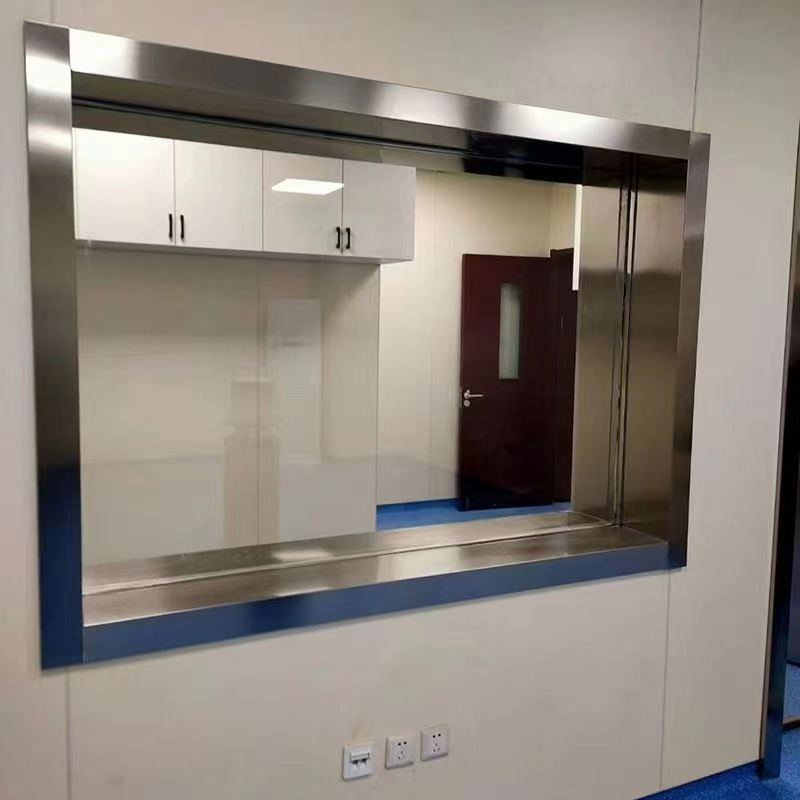
Hot‑formed curved lead‑glass viewports with 0.5‑1.0 mmPb lead equivalency. Fully compliant with China’s radiological‑protection standard GBZ 130‑2020 for diagnostic‑imaging control areas.
Nuclear‑Medicine Dose‑preparation Workstations:
Custom‑built lead‑glass shielding enclosures with pre‑reserved cutouts for manipulator operation. Surface dose rate is kept below 2 μSv/h, offering dependable isolation against both beta and gamma radiation.
Mobile DR Radiation‑shielding Screens:
Height‑adjustable lead‑glass protective panels (standard dimension: 60 × 120 cm), cutting operator‑position radiation exposure by up to 90 %.
Veterinary PET‑Radiotherapy Cabins:
Laminated blast‑resistant lead‑glass cabin doors. Continuous animal observation is maintained alongside robust radiation‑safety safeguards.

Advanced Production Technology
Vacuum Fusion & Shaping:
Lead‑oxide and silicate raw materials are melted under vacuum conditions at 1200 ℃. This process removes micro‑bubbles and guarantees homogeneous chemical composition across each glass sheet.
Surface Reinforcement Treatment:
Tempering raises surface hardness to Mohs 4.5. An extra polyurethane top‑coat can be applied to strengthen scratch‑resistance.
Composite‑structure Options:
Laminated Sandwich Construction: Lead‑glass core paired with polyethylene anti‑shatter interlayers, delivering impact‑resistance performance above 50 J.
Thermal Hot‑bending Process:
Custom curved profiles up to 150‑degree bending angle, perfectly matching curved‑wall viewing windows for DSA operating rooms and similar facilities.
Comparative Advantages vs. Conventional Shielding Materials
Clear‑view Protection:
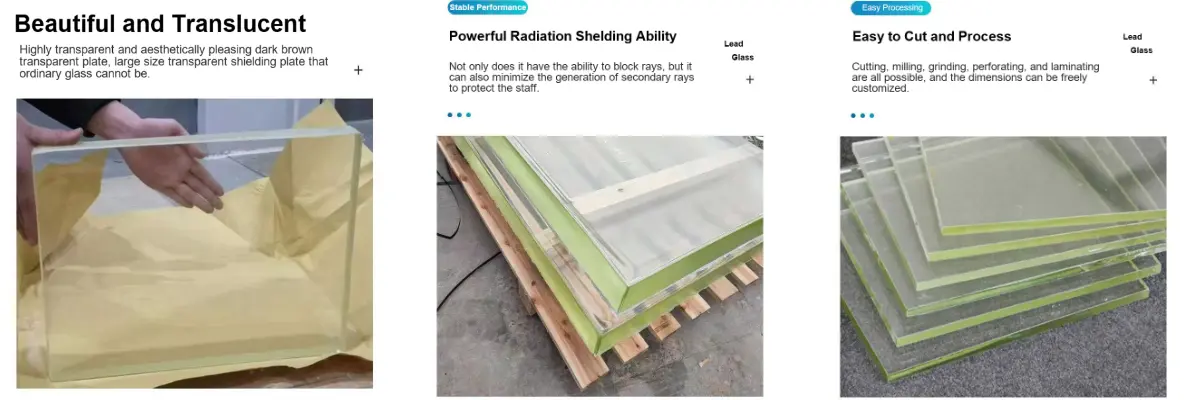
Unlike lead plates or concrete barriers that fully block sightlines, lead‑glass allows direct visual oversight of operational zones.
Space‑saving Layout:
To reach identical shielding performance, its physical thickness can be 60 % thinner than concrete shielding walls, helping conserve valuable floor space inside medical facilities.
Flexible Installation Choices:
Multiple mounting approaches are supported: flush‑embedded setup, freestanding mobile units and overhead hanging installation. On‑site renovation work is far simpler compared with fixed lead‑plate shielding systems.
Long‑term Cost‑effectiveness:
With a service life exceeding 20 years and zero regular maintenance required. By contrast, lead‑sheet shielding demands periodic anti‑oxidation surface handling.
Operation & Maintenance Guidance
Cleaning Requirements:
Never use hydrofluoric acid or highly alkaline detergents, as such chemicals will corrode the glass internal structure. Neutral‑ph cleaning agents are recommended for routine surface wiping and upkeep.
Impact‑avoidance for Transit & Installation:
Wooden corner guards must be fitted during shipment and field fitting. This measure prevents micro‑cracks and structural damage caused by knocks and mechanical impacts.
Periodic Performance Inspection:
Radiation‑attenuation efficiency and visible‑light transmittance should be checked every two years. Replacement shall be carried out once light‑transmittance drops by over 10 %.
Product Overview:
Lead‑infused protective glass merges high‑grade radiation‑blocking performance with transparent real‑time visual access. Customers can customize thickness, curvature and composite‑layer configurations according to project demands. Thanks to stable mechanical traits and long service cycles, it serves as an indispensable protective component for high‑risk radiation‑working environments. Widely adopted for diagnostic radiology, radiotherapy and nuclear‑industry applications, it greatly boosts workplace safety and operational efficiency for end‑users.


