
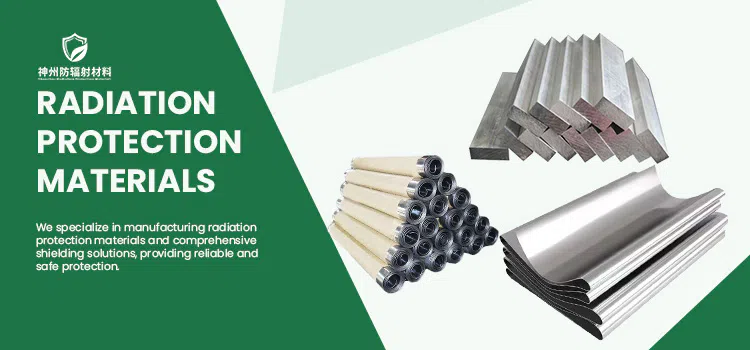
In the field of radiation protection engineering, project stakeholders often focus heavily on the thickness inspection, on-site installation and joining, and final radiation acceptance testing of finished products such as lead sheets, lead bricks, shielding doors, and lead glass. From the design review of blueprints and on-site installation by contractors to the final environmental radiation testing by disease control agencies, the vast majority of scrutiny centers on these finished components. However, post-project reviews of numerous completed medical and industrial flaw-detection projects reveal that issues such as hidden radiation leakage and repeated rounds of rectification during acceptance often stem not from the processing or installation of the finished components, but from the quality of the upstream lead ingot raw materials. As the fundamental base material for all lead-based shielding components, the purity and impurity composition of lead ingots directly determine the long-term shielding stability of the subsequently rolled or cast products; yet, this critical initial quality checkpoint is frequently overlooked in many engineering projects.
The market features a large volume of recycled lead ingots—produced by smelting scrap lead—which offer the primary advantage of lower costs. However, the complexity of the raw material sources leads to uncontrollable fluctuations in impurity composition; consequently, impurity levels can vary significantly even between ingots from the same batch. While recycled lead ingots are widely used in general applications such as counterweights for construction machinery and elevators, they are unsuitable for radiation shielding projects involving medical radiology rooms, nuclear medicine, or industrial gamma-ray testing. Some purchasers mix recycled lead ingots into shielding materials to cut costs; although the resulting shielding components may barely pass initial inspections, prolonged exposure to continuous radiation causes internal defects to expand and shielding performance to steadily degrade, creating persistent safety hazards.
Key Selection Criteria for Lead Ingot Procurement for Radiation Shielding Projects
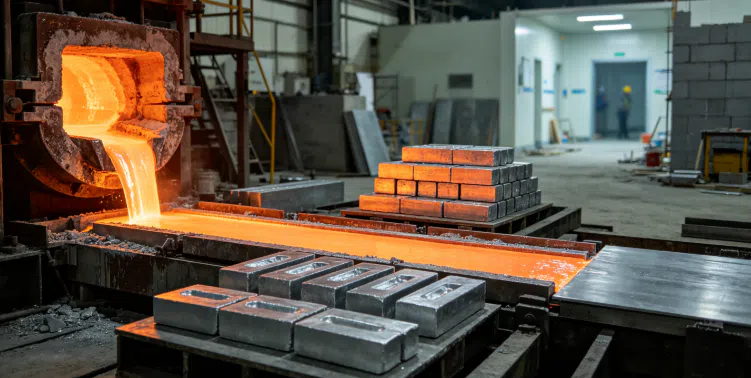
1. Establish clear raw material standards and prohibit the mixing of materials. For standard medical X-ray rooms (DR/CT), use at least National Standard No. 1 electrolytic lead ingots (lead purity ≥99.994%). For high-radiation environments—such as PET/CT facilities, radionuclide storage rooms, high-energy radiotherapy units, and industrial gamma-ray testing sites—prioritize the control of key impurities like bismuth and antimony alongside purity; stricter impurity control ensures greater long-term reliability. The use of recycled lead ingots directly in the production of radiation shielding components is strictly prohibited.
2. Prioritize raw material traceability and retain testing documentation. Do not rely solely on finished-product test reports; request the original smelting furnace number, material certification, and impurity spectral analysis report for the lead ingots from the supplier. Whenever possible, use lead ingots from the same smelting batch for a single project to minimize performance variations in the finished product caused by compositional fluctuations between batches. For overseas projects, verify that the supplier can provide impurity test reports from SGS or other third-party agencies to meet local regulatory approval and customs clearance requirements.
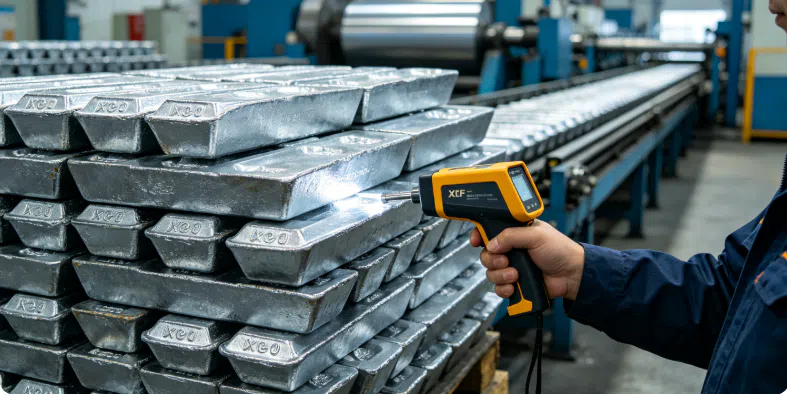
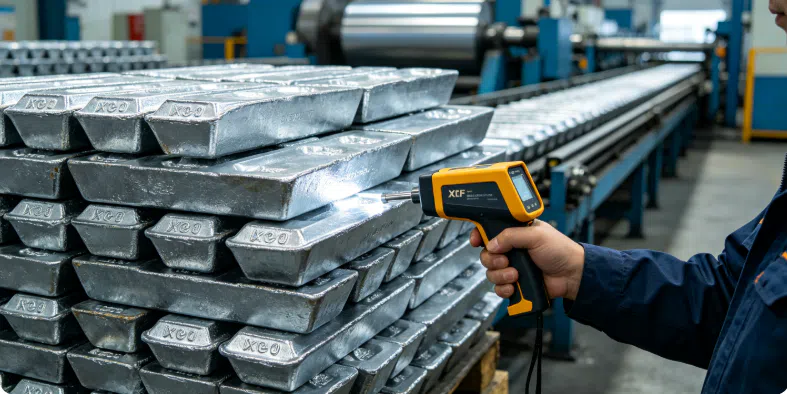
3. Conduct incoming sample re-testing for critical projects. For high-risk projects—such as those involving large Grade-A tertiary hospitals, nuclear medicine facilities, or industrial flaw detection—perform compositional re-testing on incoming lead ingot samples whenever conditions permit. Utilize XRF equipment for rapid screening of major impurities to control raw material quality at the source, thereby preventing the significant rework costs that would arise if defective raw materials were processed into finished products.
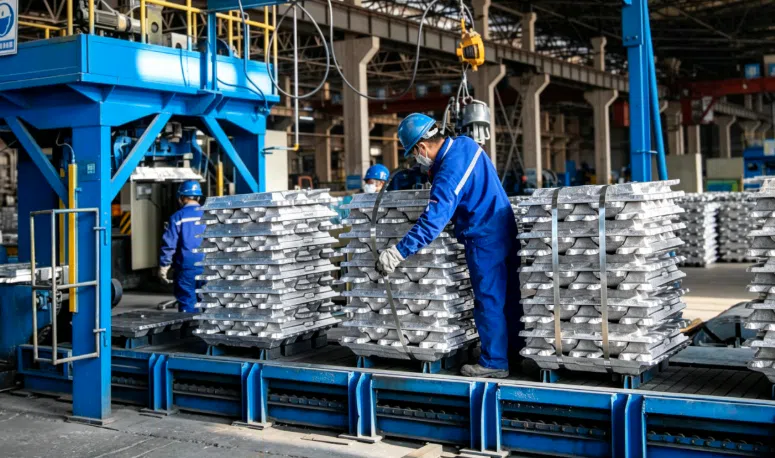
4. In the radiation protection engineering sector, construction techniques, finished product quality, and on-site acceptance have long been focal points; however, raw material quality serves as the fundamental cornerstone determining the service life and safety thresholds of protection projects. The consistent purity and ultra-low impurity levels of high-purity electrolytic lead ingots ensure that lead sheets and bricks maintain their shielding performance, structural integrity, and freedom from hidden radiation leakage points, even during prolonged exposure to radiation.
As domestic and international standards for medical testing and industrial radiation safety evolve, and overseas project traceability requirements become increasingly stringent, merely ensuring that finished products meet standards is no longer sufficient to satisfy the acceptance criteria for high-end projects. Sourcing certified national-standard electrolytic lead ingots, strictly prohibiting the use of recycled lead, and maintaining comprehensive batch traceability records have become standard practices for high-quality radiation protection projects.
Future competition in the protection engineering sector will not merely be a contest of construction techniques, but a test of comprehensive capabilities—encompassing raw material standardization, quality traceability, and long-term performance stability. Adhering to high-purity lead ingot standards demonstrates responsibility toward the project itself while establishing the most robust first line of defense for the personal safety of medical staff and industrial workers.
A compliant radiation shielding project relies on a quality chain that begins at the lead ingot smelting stage; lead sheets and bricks represent only the final products in this chain. Often, the safety baseline of a protection project lies within the upstream raw material phase—a stage easily overlooked. Blindly cutting raw material procurement costs by neglecting lead ingot purity and impurity controls may appear to save on initial investment, but it introduces multiple risks, including acceptance failure, the need for costly remedial work, and potential radiation safety hazards. For both medical and industrial radiation protection projects, compliant, high-purity electrolytic lead ingots are an indispensable foundation for the entire shielding system.


