
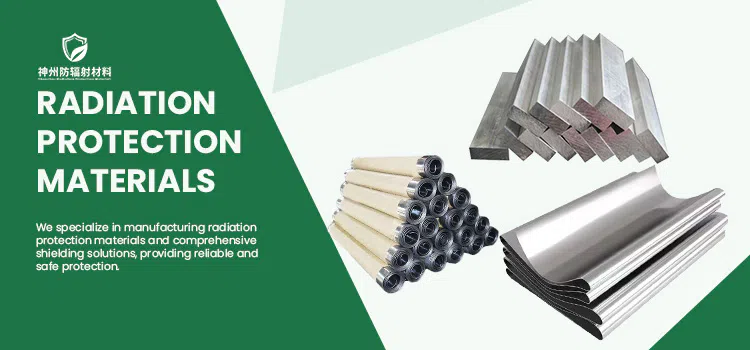
The lead brick factory converts high-purity lead into precise protective products. It controls density and shielding performance throughout the entire process from smelting to quality inspection to meet the customized needs of medical, industrial and other scenes, and strictly follows environmental protection and safety standards.
In the field of radiation protection, lead bricks are a common shielding material and are widely used in hospital radiology departments, industrial inspection rooms, nuclear medicine facilities and other places. The lead brick factory is an industrial site specializing in the production, processing and quality control of lead bricks. Its core task is to transform lead raw materials into shaped products that meet protection standards. Understanding the operating mechanism of lead brick factories will help to understand the supply base of radiation protection materials.
Basic functions and material properties of lead bricks. Lead has a high atomic number and density and can effectively attenuate high-energy radiation such as X-rays and gamma rays. Lead bricks are usually made of lead with higher purity as raw material, and are made into regular shapes, such as rectangular parallelepiped, trapezoid or special-shaped blocks through casting or pressing processes. Its density is generally around 11.34 g/cm³, and its protective ability is directly related to its thickness. The factory must ensure that there are no pores, slag inclusions and other defects inside the lead bricks, otherwise the uniformity of shielding will be affected.
The production process of a lead brick factory usually includes raw material inspection, smelting, casting, cooling, demoulding, post-processing and quality inspection. First, the purchased lead ingots must undergo chemical composition analysis to confirm that the impurity content is within the allowable range. During the smelting process, the temperature is controlled above the melting point of lead (approximately 327.5°C), but excessive oxidation needs to be avoided. When casting, the mold needs to be preheated and coated with a release agent to ensure a smooth surface. The cooling rate needs to be uniform to prevent internal shrinkage cavities or cracks. After demoulding, the lead bricks also need to be sized, surface polished, and density tested and radiographed if necessary.
Quality control is the core aspect of a lead brick factory. Factories are usually equipped with density meters, X-ray real-time imaging systems, mechanical property testing equipment, etc. to conduct sampling inspections on each batch of products. Test items include: density deviation (generally required not to exceed ±0.1 g/cm³), dimensional tolerance (usually controlled within ±1 mm), surface quality (no cracks, blisters) and shielding performance (verification of attenuation rate through irradiation test). Only lead bricks that meet the standards will be marked as qualified and used for assembly in subsequent projects.
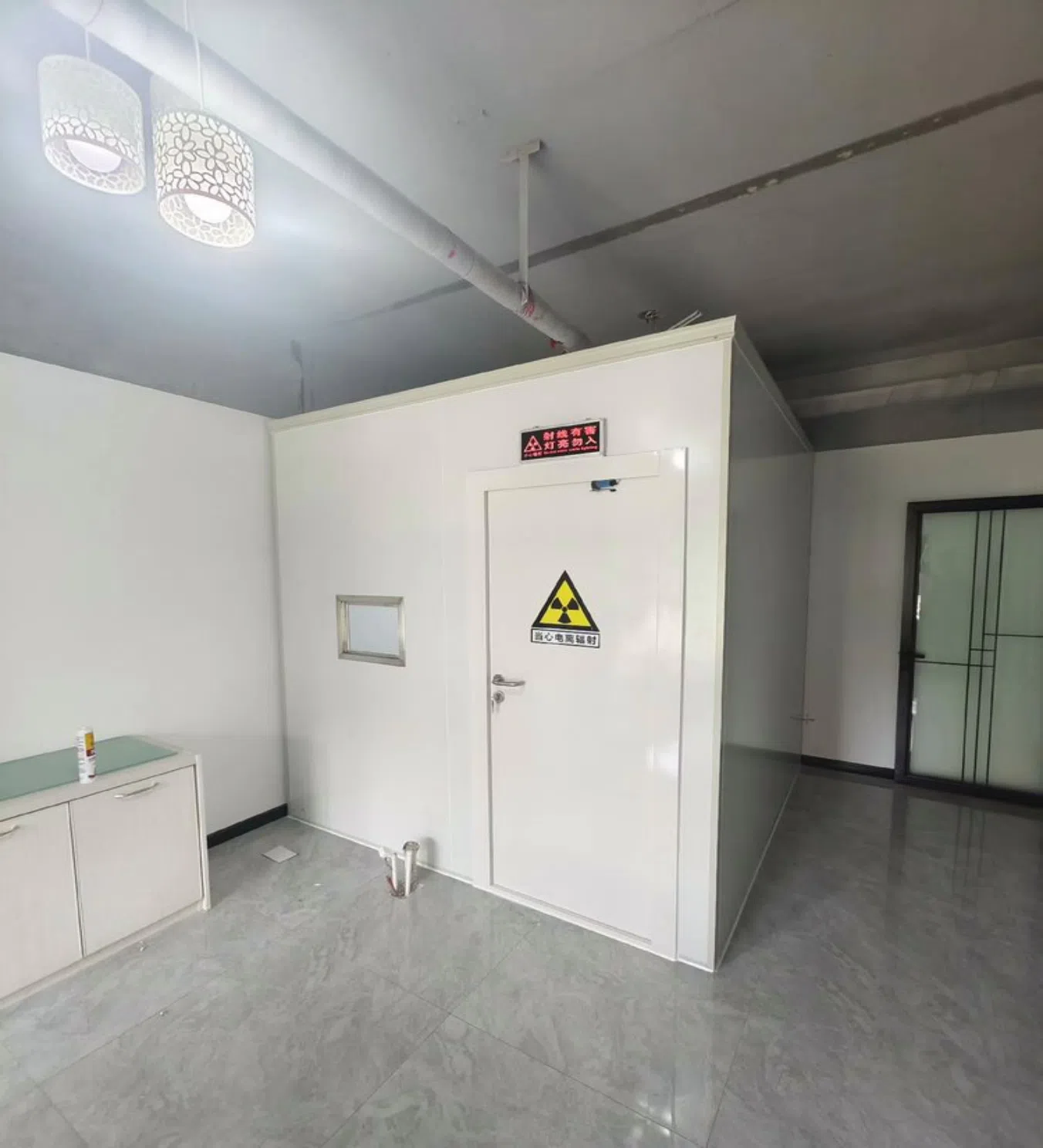
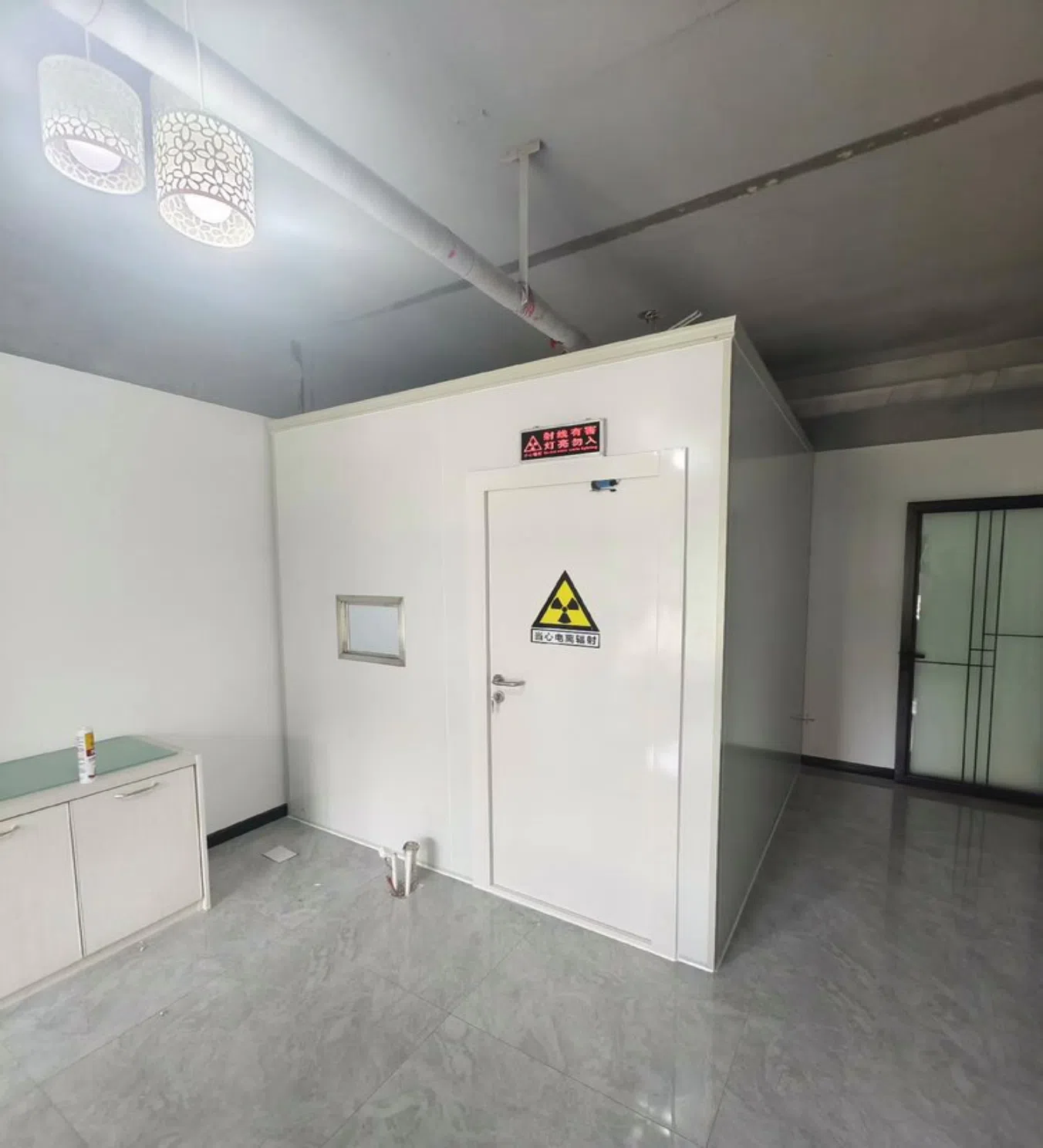
Different application scenarios have different specifications for lead bricks. In medical radiology departments, lead bricks are often used to build protective walls or as movable shielding blocks around equipment, which require precise dimensions and easy movement. In industrial inspection rooms, lead bricks often need to withstand large lateral pressure, so they have higher requirements for strength and flatness. In the field of nuclear medicine waste treatment, lead bricks are also used to make shielding containers, which need to be corrosion-resistant and sealable. The factory will provide customized sizes, chamfers or connection groove designs according to customer needs.
Lead brick factories also have strict regulations on environmental protection and production safety. Lead and its compounds are toxic. Measures such as closed smelting, exhaust gas collection, and dust control must be taken during the production process. The concentration of lead smoke in the workshop must comply with the requirements of the "Occupational Exposure Limits for Hazardous Factors in the Workplace". Workers are required to wear protective equipment and have their blood lead levels tested regularly. Waste materials such as lead slag and leftover materials need to be recycled centrally to avoid environmental pollution.
Factories need to establish a quality system in accordance with standards and accept the supervision of third-party testing agencies. Some high-end customers also require raw material batch traceability records and test reports to ensure compliance with project acceptance.
Overall, the lead brick factory is an indispensable link in the radiation protection industry chain, and its technical level and quality control directly affect the safety and reliability of radiation protection projects. From the selection of raw materials to the delivery of finished products, every link requires professional knowledge and strict management. For users, understanding the production background of lead brick factories can help to select and apply protective materials more rationally, thereby ensuring the safety of the radiation environment.


