
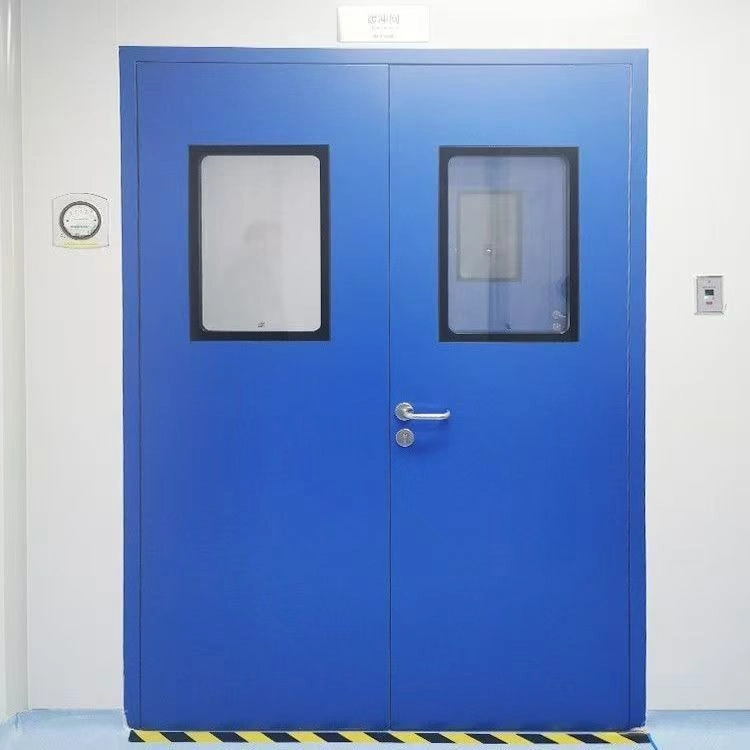
Cleanroom doors are core facilities to ensure the stability of clean environment. They are designed for high cleanliness scenes such as medicine, electronics, semiconductors, and biological laboratories. Through scientific structure and material selection, they ensure space sealing, durability and ease of operation, and meet ISO 1-9 clean standards and industry specifications. The following are its detailed product features:
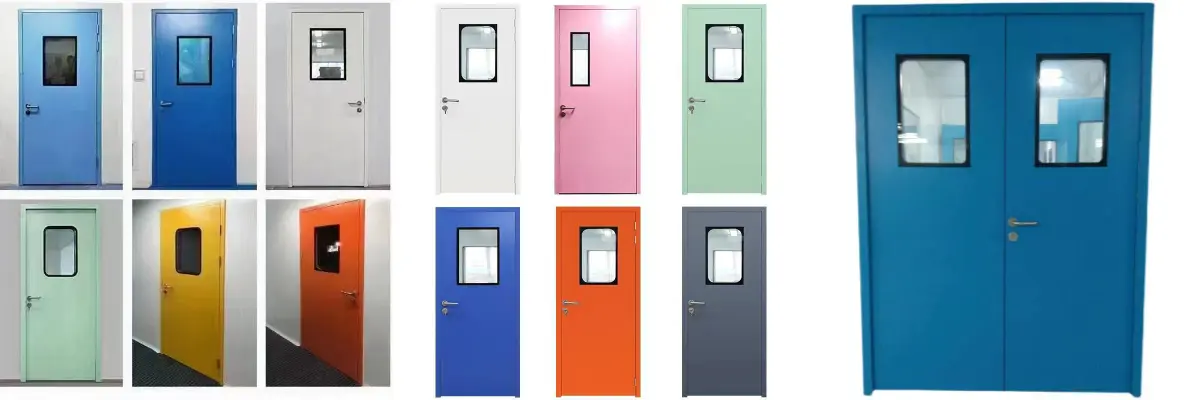
1. Structural design
Door body type: optional sliding, swing or fast rolling shutter type, suitable for different space layouts. Sliding doors save space, swing doors have strong sealing, and fast rolling shutter doors are suitable for high-frequency traffic areas.
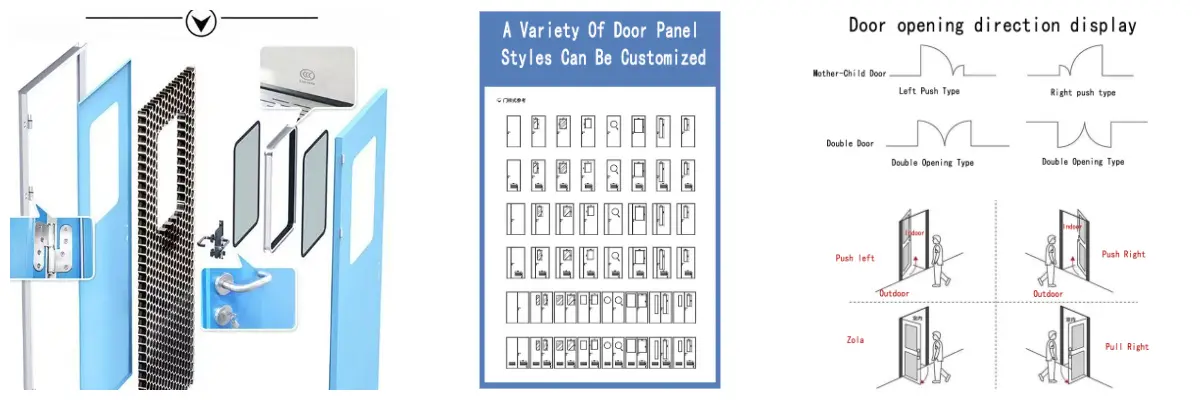
Double-layer closed structure: The door frame and door leaf use embedded sealing strips (silicone or EPDM material), combined with an automatic lifting bottom sealing system, to fully block the exchange of internal and external particles.
Observation window design: Standard double-layer tempered glass window, some models can be upgraded to anti-fog and anti-static glass, which is convenient for real-time monitoring of the indoor environment.
2. Material and craftsmanship
Frame material: 304/316 stainless steel or anodized aluminum alloy, corrosion-resistant, acid-resistant, smooth surface without dead corners, easy to clean and disinfect.
Door panel material: honeycomb aluminum plate, antibacterial coated steel plate or high-strength tempered glass, both lightweight and pressure-resistant, some models have built-in fireproof rock wool (Class A fireproof standard).
Sealing components: high elastic sealing strips, airtight compression devices, combined with seamless welding technology, to ensure that the door body airtightness reaches ISO Class 5 or above.
3. Functional configuration
Intelligent control system: supports fingerprint recognition, card swiping, infrared sensing or pneumatic switch to reduce contact pollution; linked clean room air shower system or interlocking device to prevent air flow turbulence.
Safety protection: emergency escape push rod, anti-pinch finger sensor, power-off manual opening function, in line with fire protection and safety regulations.
Cleanliness assistance: optional ion air curtain, self-cleaning device or ultraviolet sterilization module to further reduce the risk of contamination.
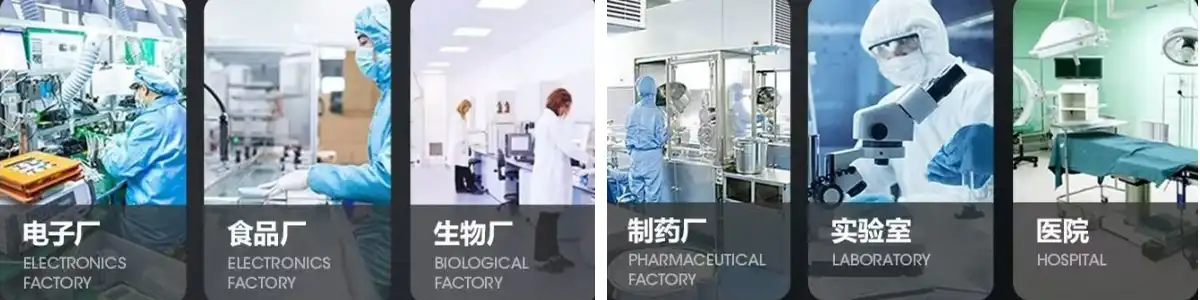
4. Application scenarios
Pharmaceutical industry: used in GMP workshops, sterile preparation rooms, and vaccine production lines to prevent cross contamination.
Electronic industry: adapted to wafer fabs and chip packaging workshops, anti-static design protects precision components.
Biological laboratories: cooperate with negative pressure environment to ensure the safety of pathogenic microorganism isolation.
5. Technical standards and certifications
Comply with international clean standards such as ISO 14644, GMP, and FDA, and pass fire protection (EN 13501), anti-static (ESD S20.20) and air tightness testing certifications.
Customized service: provide solutions based on cleanliness level (such as Class 100, Class 10,000), door opening size (conventional 1.8m×2.2m, customizable) and environmental requirements (temperature, humidity, pressure difference).
6. Installation and maintenance
The professional team provides on-site measurement, embedded installation and air tightness debugging to ensure seamless connection with the wall.
Regular maintenance recommendations: seal strip replacement cycle (1-2 years), track cleaning and lubrication, sensor sensitivity detection, extend the service life to more than 10 years.
Summary
Through precision engineering and premium material selection, clean room doors form a critical line of defense for controlled clean environments. Integrating efficient isolation, intelligent control and long-term operational stability, they support enterprises in achieving standardized production safety and compliant management. The optimal door solution should be selected according to on-site cleanliness levels, usage frequency and customized functional requirements.


