
Product Overview
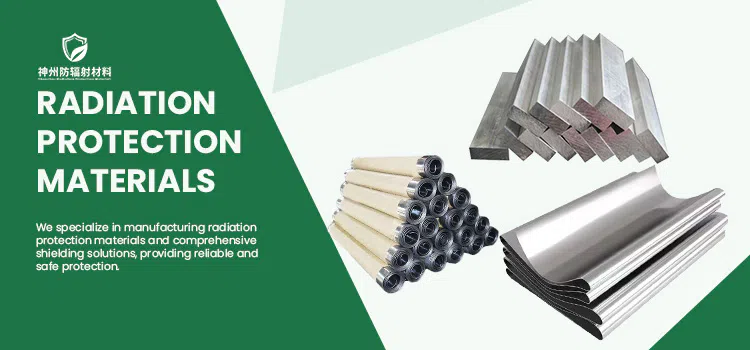
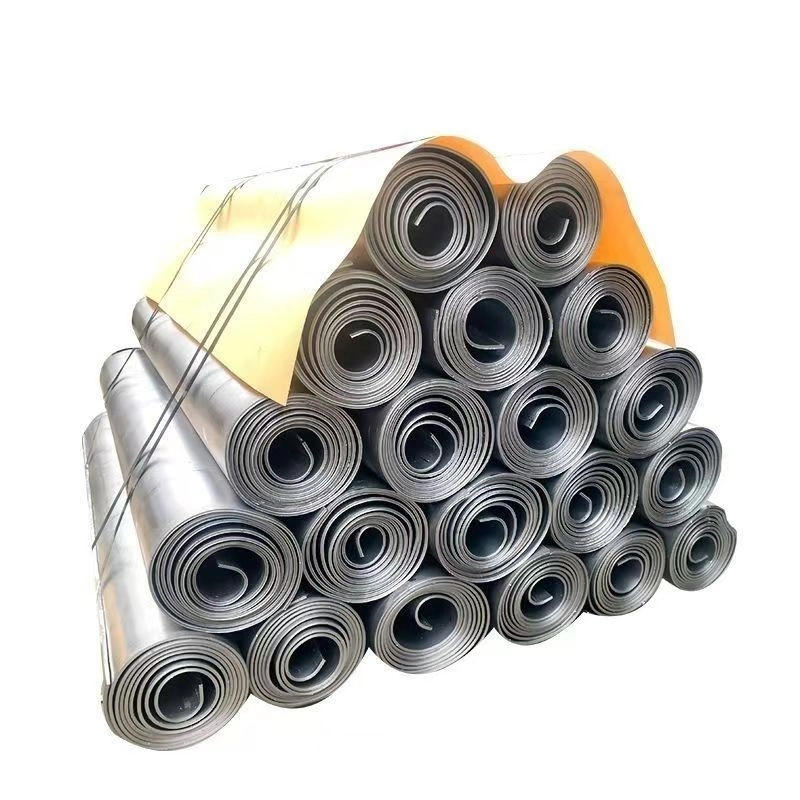
Our rolled‑format lead coils and flat lead sheets are high‑density shielding materials produced by precision cold‑rolling of electrolytic lead with minimum purity of 99.99 %. Owing to lead’s atomic number of 82 and characteristic density of 11.34 g/cm³, these materials achieve outstanding ionizing‑ray attenuation performance, establishing them as a trusted benchmark for blocking high‑energy X‑rays, gamma‑rays and neutron radiation.
Engineered for demanding operating environments, they serve critical‑protection scenarios including nuclear‑sector installations and medical radiotherapy suites, where compact layout and rigorous radiation‑safety standards are required.
Key Product Characteristics
Dependable Multi‑spectrum Shielding Performance
The material suppresses radiation across the 10 keV‑10 MeV energy band, including 6‑15 MV high‑energy gamma‑rays from medical linear accelerators, achieving >99 % radiation attenuation. One‑millimetre physical thickness equals 1 mmPb shielding equivalent.
When paired with a bonded cadmium composite layer, the material can effectively moderate neutron radiation, a typical configuration for nuclear‑reactor related applications.
Two‑form Factor for Diverse Site Conditions
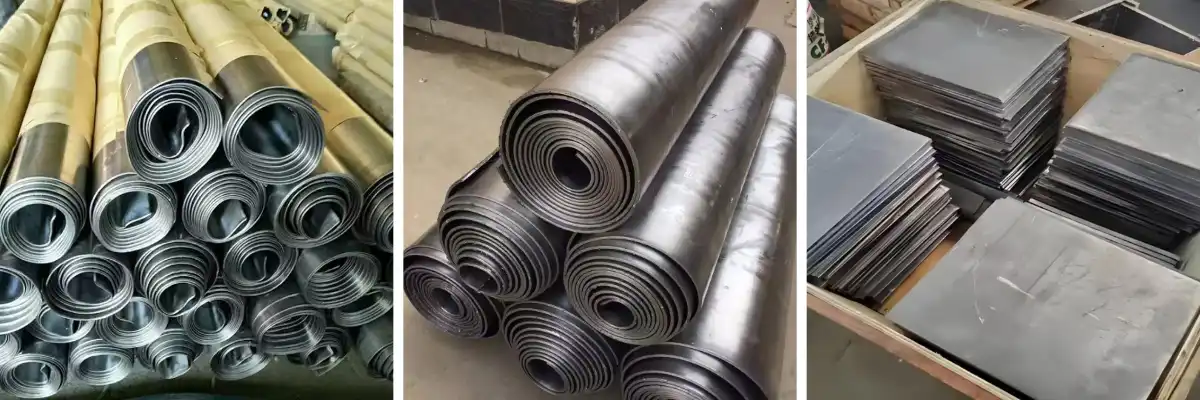
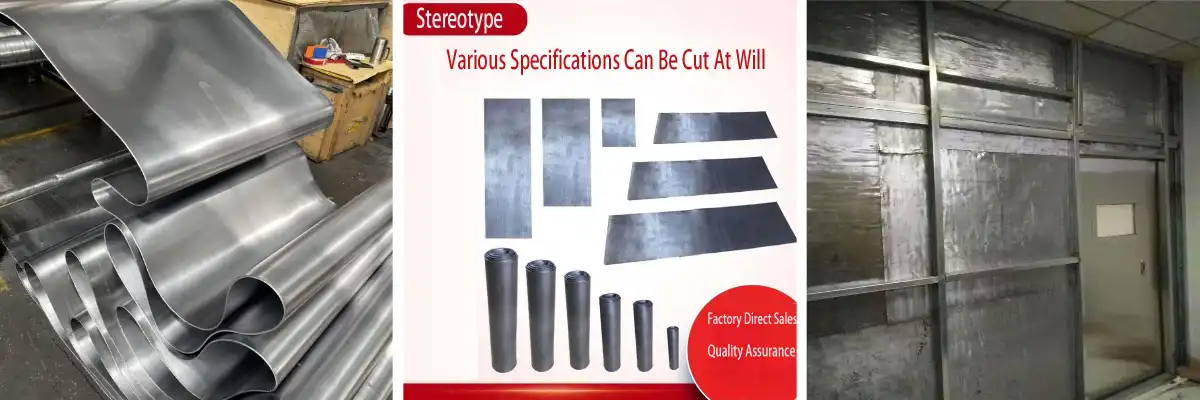
Rigid Lead Plate: Maintains tight flatness tolerance of ±0.1 mm. Suited for wall assemblies, protective shielding doors and other planar structures. Custom thickness covers 1‑50 mm.
Flexible Lead Coil: Highly bendable with minimum bending radius no less than five times material thickness. Primarily deployed for pipe wrapping, equipment cladding and curved shielding structures such as contoured CT‑scan rooms. Usual thickness range: 0.5‑5 mm.
Extended Service Lifespan
Good tolerance against acid‑base erosion; epoxy surface coating is available upon request. Performance remains consistent within‑50 ℃ to 150 ℃ ambient temperature, with projected service life surpassing 50 years. As fully recyclable metal feedstock, it brings lower long‑run ownership cost compared with composite shielding alternatives.
Typical Application Areas
Medical Sector
Rigid lead plate: Wall shielding for radiotherapy bunkers (2‑3 mm thickness), protective barriers around CT equipment; seams sealed with lead tape.
Flexible lead coil: Encirclement for angiography C‑arm hardware, cladding for mobile radiation‑shield screens (1.5 mm coil grade).
Nuclear‑industry Deployment
Lead lining for nuclear‑waste containment vessels (50 mm composite plate grade); lead‑cadmium composite panels acting as neutron moderators inside reactor facilities. Also used for hot‑cell observation window assemblies and welded‑joint wrapping for spent‑fuel transfer channels.
Industrial & Civil‑use Cases
Shielding barriers for industrial non‑destructive‑testing chambers (3‑10 mm lead plate); anti‑radon basement wall liners using 0.5‑1 mm lead coil. Additional use‑cases include electromagnetic‑shield ceiling panels within data centres and beam‑line protective enclosures in research laboratories, where 99.995 % ultra‑high‑purity lead grades are selected.

Technical Specifications & Installation Guidelines
Main Technical Indicators
Material purity: ≥99.99 % complying with GB/T 1470‑2020; medical‑grade variants reach ≥99.994 %
Density: 11.34 g/cm³ (@20 ℃)
Lead‑coil dimensions: thickness 0.5‑5 mm, maximum width 1500 mm, roll length configurable to project needs
Standard lead‑plate dimensions: thickness 1‑50 mm, standard panel size 1000 × 2000 mm
Installation Best Practices
Flat‑surface lead‑plate fitting:
Mount onto keel frameworks using staggered‑lay installation. Fasten with lead nails and apply lead tape to double‑seam all joints. Door and window cut‑outs shall adopt stepped overlapping construction with ≥100 mm overlap width. Pipe penetrations require lead sleeves plus lead putty filling.
Curved‑surface lead‑coil fitting:
Wrap pipes or equipment directly. Longitudinal seams get cold‑press welding then over‑sealed with lead tape. For curved wall surfaces, adhesive‑backed lead coil can be pasted on substrate, with joint zones reinforced by pressure strips.
Install gypsum board or protective paint over lead surfaces to prevent mechanical damage.
Safety Reminders
Provide adequate forced ventilation during cutting and welding operations. Operators must wear EN 149‑certified respiratory protective masks against lead dust.
All lead‑containing scrap must be transferred to licensed recycling organisations; landfill disposal is strictly forbidden.
Product Value Summary
Thanks to unmatched shielding capacity, space‑saving traits and multi‑decade service stability, lead coils and lead sheets remain foundational shielding materials for high‑end industries such as nuclear‑power plants and clinical radiotherapy facilities.


