
Product Details
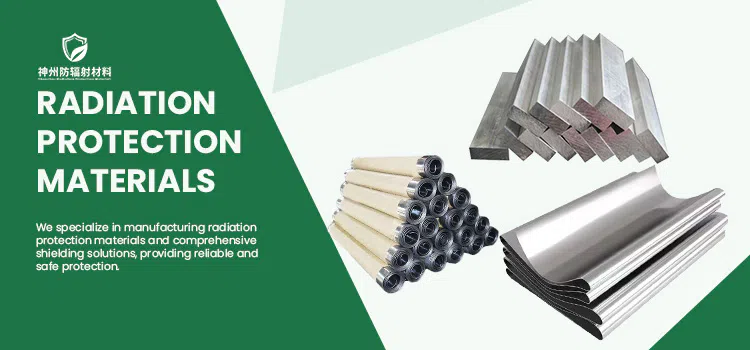
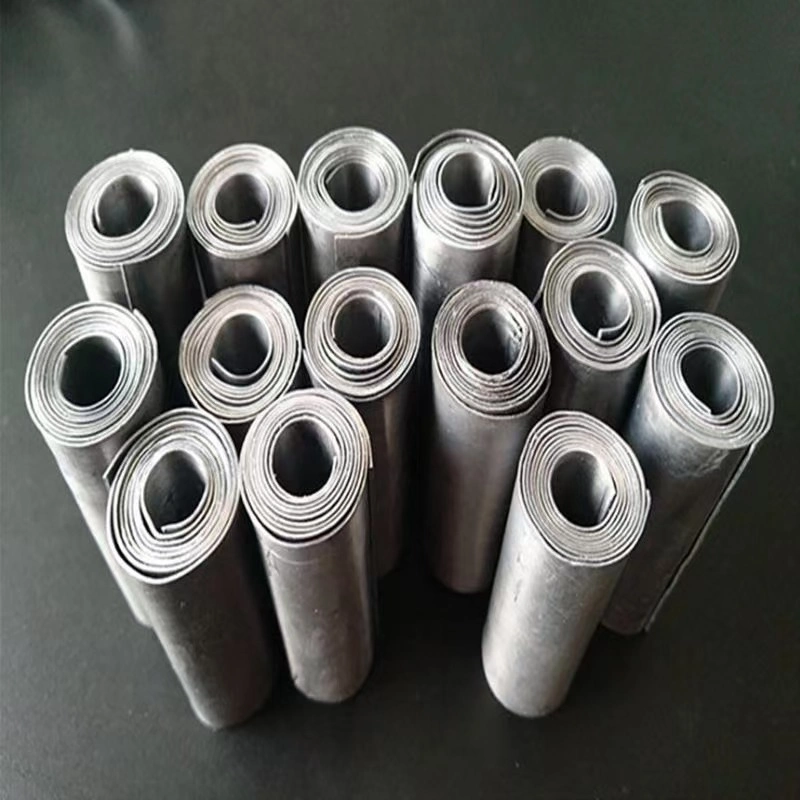
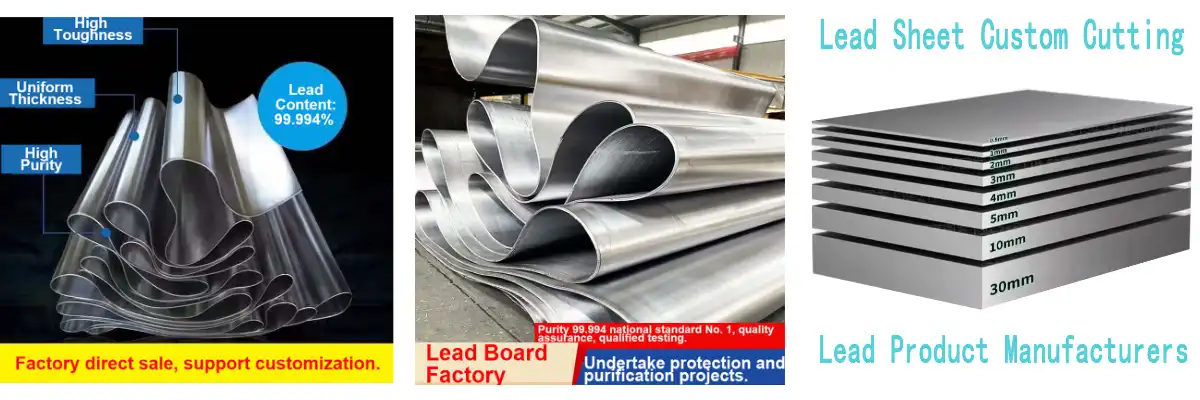
Our rolled‑lead products and flat lead sheets belong to ultra‑high‑density pressed (UHDP) goods, produced from electrolytic lead with minimum purity reaching 99.99%.
Possessing atomic number 82 alongside 11.34 g/cm³ high density, these items provide outstanding ray‑blocking capacity. They act as the reference‑grade shielding material across the industry against high‑energy X‑rays, gamma rays and neutrons. They fit perfectly for nuclear‑sector projects, medical radiotherapy departments and other fields with strict constraints on installation footprint and radiation‑blocking requirements.
Core Attributes of Lead Radiation‑Shielding Goods
1. Comprehensive High‑Grade Shielding Capacity
Broad‑range radiation attenuation: The material obtains above 99% blocking efficiency for rays within 10 keV‑10 MeV scope, including 6‑15 MV high‑energy gamma output from medical linear accelerators. One‑millimetre‑thick material delivers shielding performance matching standard 1 mm lead equivalent (1 mmPb).
Optimized neutron suppression performance: When integrated with cadmium composite layers, the material can slow down neutron radiation effectively, serving as vital functional material for reactor shielding projects.
2. Versatile Form‑Matching Capacity
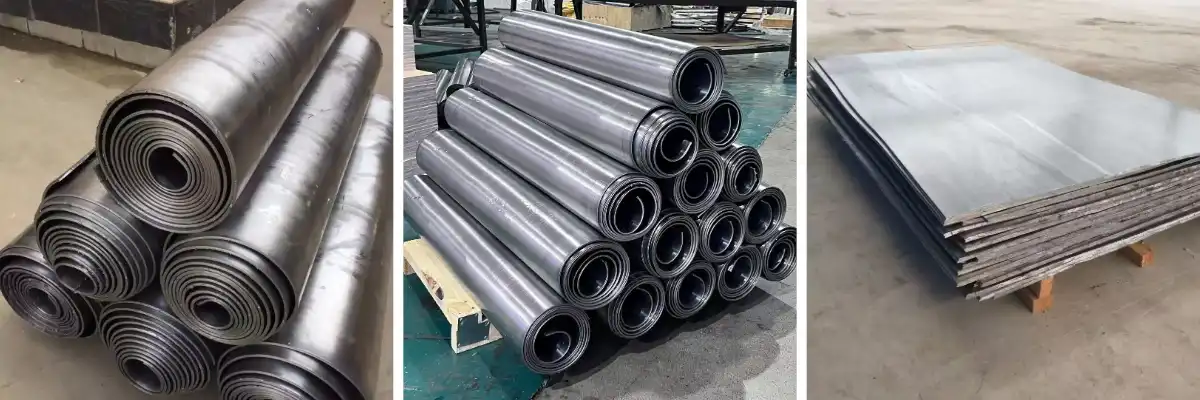
Stiff lead sheets: Flatness tolerance reaches ±0.1 mm. These solid sheets work well for flat shielding constructions such as protective walls and radiation‑resistant doors. Custom thickness selections span 1 mm‑50 mm to satisfy varied engineering demands.
Flexible lead rolls: Boasting great bending and wrapping characteristics (minimum bending radius ≥5 times material thickness), lead rolls are developed for covering pipelines, industrial machinery and curved building components e.g. arched CT scanning suites. Standard thickness runs from 0.5 mm up to 5 mm.
3. Extended Service Life & Economic Merits
These products show remarkable acid‑base corrosion resistance. Optional epoxy resin surface coating further improves durability. Both mechanical features and shielding performance stay stable under‑50 °C ~150 °C harsh temperature conditions, with service life exceeding 50 years. Besides, fully recyclable and reusable, these lead shielding products bring down long‑run total expenses versus traditional composite shielding alternatives.
Main Application Areas
1. Medical Sector
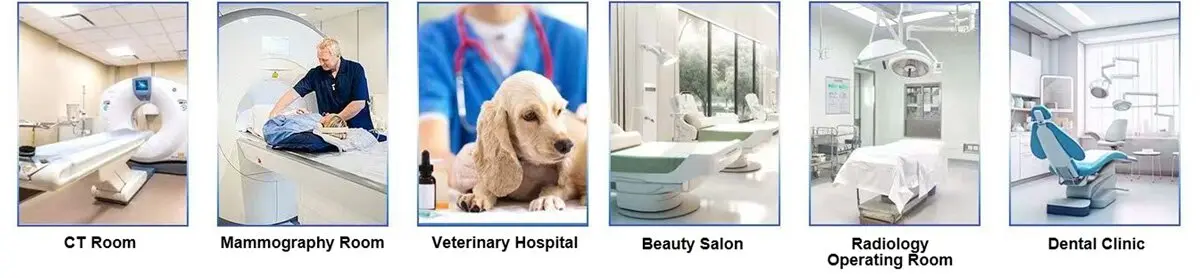
Solid lead sheets: 2‑3 mm thickness versions construct shielding partitions for radiotherapy suites and protective barriers surrounding CT scanners. Lead tape seals every joint gap to achieve gap‑free radiation containment.
Flexible lead rolls: Primarily applied to encase C‑arm assemblies of angiography devices and overlay frames of portable radiation screens. The widely‑adopted thickness for such uses is 1.5 mm.
2. Nuclear Energy Sector
50 mm composite lead liners fit nuclear waste storage vessels. Lead‑cadmium composite sheets function as neutron moderating components within nuclear reactor facilities. Step‑fitted lead glass paired with lead‑sheet shielding builds viewports for hot‑cell working areas. Lead rolls are wrapped over welding seams on spent‑fuel transfer ducts.
3. Industrial and Civil‑Use Domains
3‑10 mm lead sheets deliver radiation‑blocking walls inside non‑destructive testing workspaces. 0.5‑1 mm lead roll linings get fitted onto basement walls for radon‑gas prevention. High‑purity lead grades (99.995% purity) serve electromagnetic‑shielding layers for data‑centre ceiling assemblies and beam‑line protection inside scientific‑research laboratories.
Technical Data & Engineering Requirements
Core Technical Indicators
Material purity: Minimum 99.99%, compliant with GB/T 1470‑2020 national standard. Medical‑grade variants reach no less than 99.994%.
Density value: 11.34 g/cm³, measured under ambient temperature of 20 °C.
Lead roll parameters: Thickness range 0.5‑5 mm, maximum available width 1500 mm; roll‑up length can be adjusted upon customer request.
Regular lead sheet dimensions: Thickness covers 1‑50 mm, standard panel size 1000×2000 mm.
Professional Installation Guidance
Flat‑surface Mounting (Lead Sheets)
Secure the keel framework firmly, then lay lead sheets in offset staggered layout. Fasten all seams using lead nails together with lead tape to realize double‑seal protection. For door and window cut‑outs, use stepped overlapping joints with minimum overlap width of 100 mm. Pipe‑penetration openings shall be filled with lead sleeves and lead putty so as to stop radiation leakage.
Curved‑surface Implementation (Lead Rolls)
Wrap lead rolls directly around pipes and machinery parts. Longitudinal seams shall be cold‑pressure welded and further reinforced by lead tape. When installing upon curved walls, adopt adhesive backing for attachment, and reinforce every joint position with pressure fastening strips.
Surface Preservation Measures
Cover fitted lead shielding with gypsum boards or coat with protective paint. This avoids mechanical impact damage and prolongs overall service lifespan.
Safety Guidelines for Handling
Carry out cutting and welding work only under mechanically‑forced local ventilation. All onsite personnel shall put on EN 149‑approved respiratory gear to prevent inhalation of lead dust. Scrap lead products must be collected and handled by qualified professional recycling bodies. Random landfilling is totally forbidden.
Market & Application Merits
Boasting powerful radiation attenuation properties, space‑saving structural merits and multi‑decade consistent operational stability, lead coils and flat lead sheets serve as vital shielding fundamentals for high‑end fields including nuclear energy and medical radiotherapy. These materials deliver solid technical support for contemporary industrial radiation‑defense infrastructures.


