
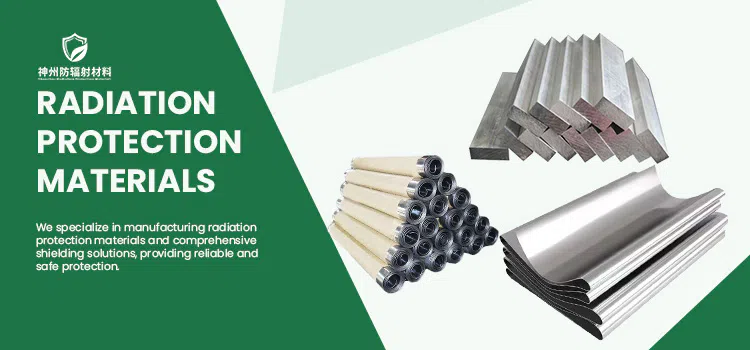
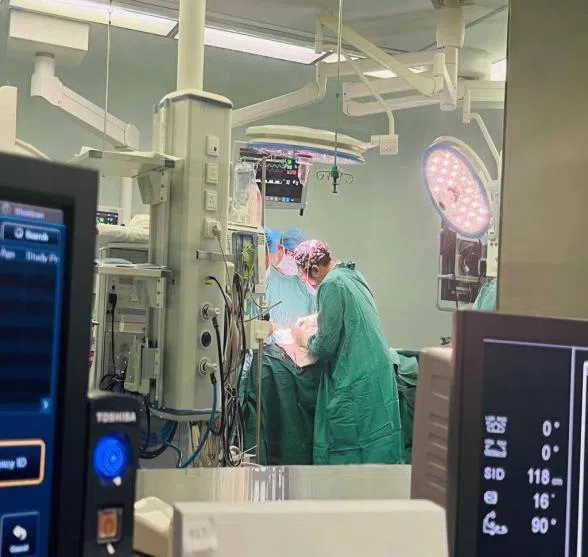
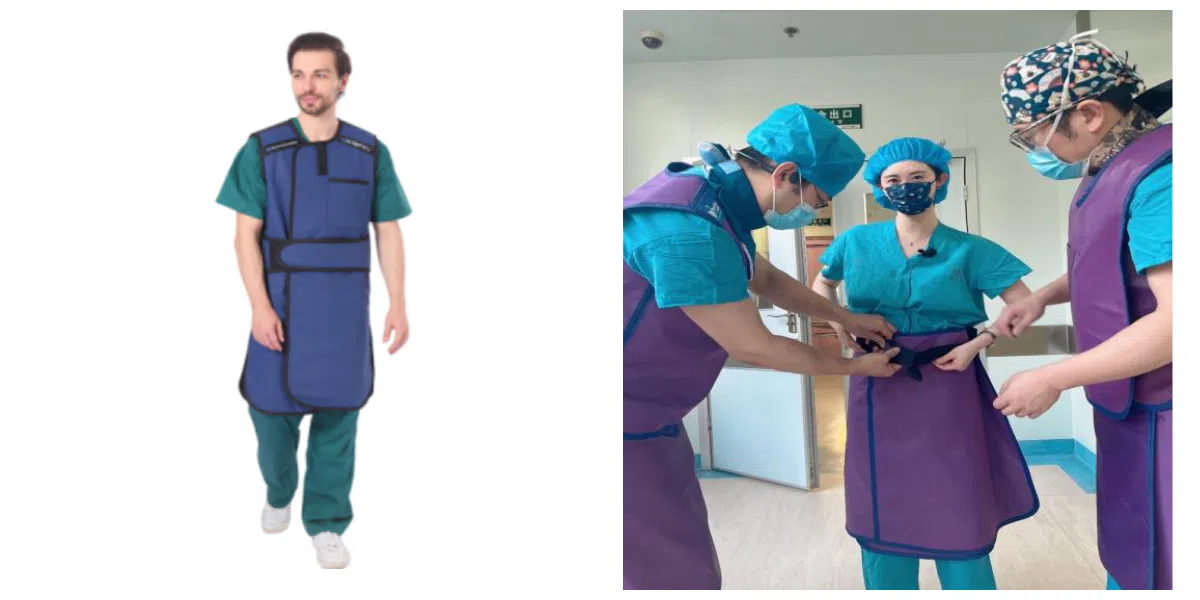
In the radiology department and interventional operating room of a hospital, there is a group of "lead-clad warriors"—they wear heavy protective gear every day, steadfastly guarding their posts in the radiation environment to protect patients' lives. But few people know that this "life-saving armor" actually comes in two types: "lead-containing" and "lead-free".
"Is lead-based radiation the only safe option?" "Lead-free is environmentally friendly but doesn't provide adequate protection?" For healthcare workers who deal with radiation daily, choosing the right protective equipment is not only about protecting themselves but also about having the confidence to persevere in their duties.
First, understand: What exactly is the "radiation" that healthcare workers are exposed to in their daily lives?
First, clarify a key point: not all radiation requires special protection. The mobile phones, microwave ovens, and routers we encounter daily emit electromagnetic radiation, which has low energy and doesn't require special protection. However, healthcare workers face ionizing radiation daily—such as the radiation generated during CT scans, X-rays, radiotherapy, and interventional surgeries. This type of radiation has higher energy, and excessive exposure can damage human cells and tissues. Long-term exposure can also lead to problems such as leukopenia and weakened immunity.
The principle of radiation protection is simple: adding a layer of "shielding material" between the human body and the radiation source. Lead-based and lead-free materials are two of the most common shielding media. Traditional mainstay: Lead-based protection, once "standard equipment," now harbors deadly risks.
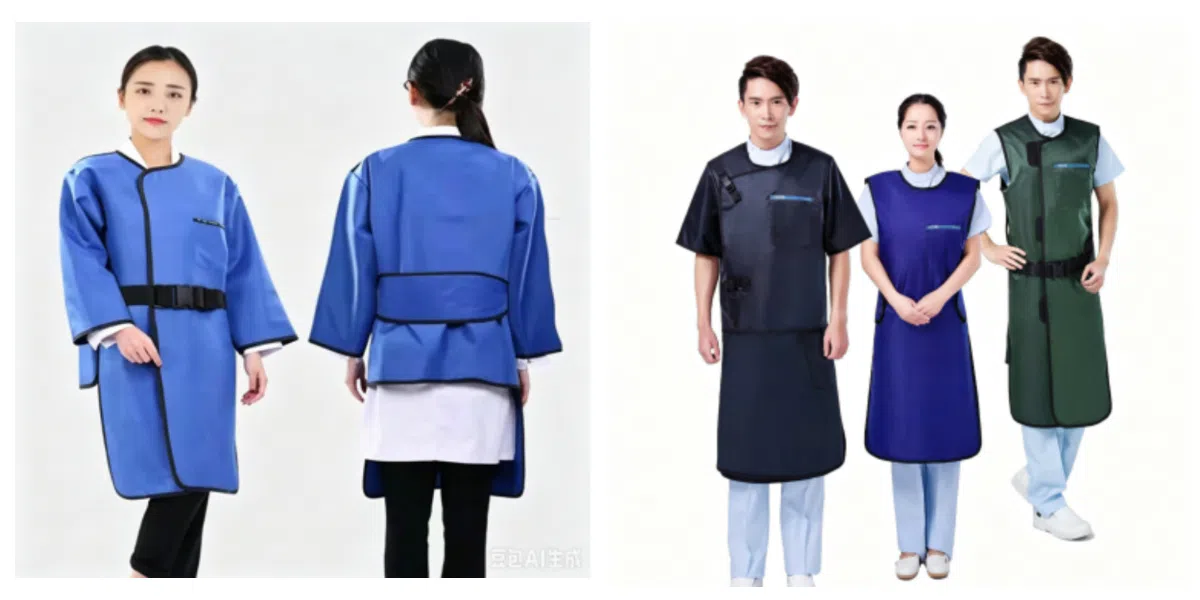
Lead-based protective clothing, lead aprons, and lead glass were once "standard equipment" for healthcare workers. Due to lead's high atomic weight and high density, lead-containing materials can effectively block ionizing radiation such as X-rays and gamma rays. However, the risks far outweigh the advantages, especially for medical personnel who wear these materials for extended periods Lead-free protective gear has become the "soft armor" of the new era. With advancements in medical technology, lead-free protective materials are gradually becoming the mainstream choice. They not only solve the problems of lead toxicity and bulkiness, but also achieve a triple benefit of "environmental protection + safety + comfort," earning them the title of "soft armor" for healthcare workers.
Healthcare Professionals' Choice Guide: Lead vs. Lead-Free – Choose the Right Gear at a Glance
Long-term wear (radiology, interventional radiology): Lead-free protective gear is the first choice; Short-term/temporary use: Lead-based gear is an option; Special high-energy radiation scenarios: Professional testing is required for selection.
Finally, choosing between lead-based and lead-free gear is never a matter of "cost," but rather a matter of "health." May every "lead-clad warrior" be gently protected, and may every act of dedication be accompanied by safety.


